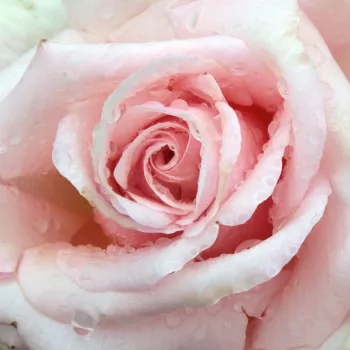
DIAMOND JUBILEE – light yellow tea-hybrid rose - Boerner
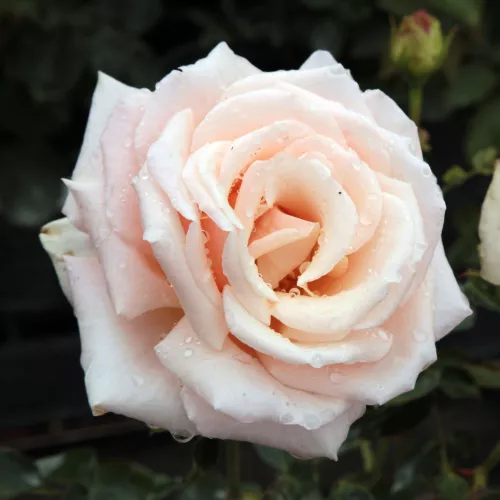
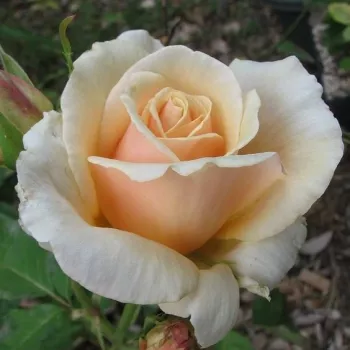
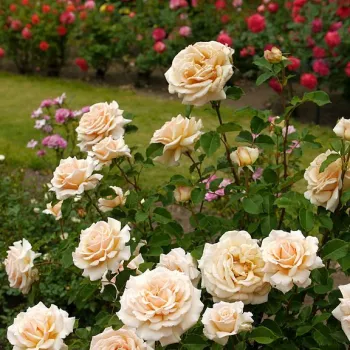
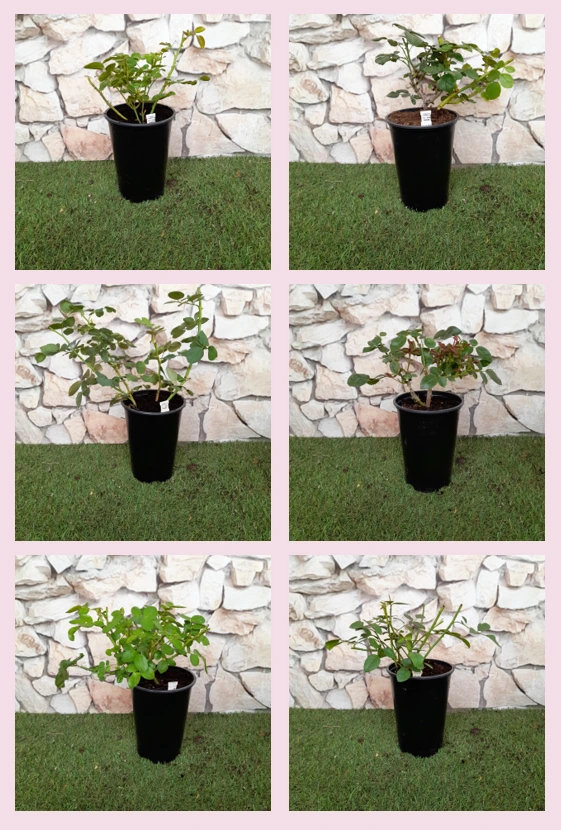
Picture afternoon sunlight on a Cornish veranda, a soft breeze off the sea and a cup of tea beside the creamy-yellow blooms of DIAMOND JUBILEE, an easy-going hybrid tea that suits shingle gardens and small family plots where secure rooting and good anchorage matter in blustery weather. Its medium, high-centred flowers open repeatedly from summer to autumn, offering reliable colour and a fresh, fruity fragrance that feels quietly indulgent rather than overpowering. Own-root plants establish steadily and are built for longevity, with the first year focusing on roots, the second on stronger shoots and from the third year delivering full ornamental impact with minimal fuss.
Usage options
| Target area | Reasoning |
|---|
| Coastal veranda container, 40–50 litre pot |
An upright, compact habit and medium height make DIAMOND JUBILEE ideal for a generous 40–50 litre pot on a breezy veranda, where it offers stable anchorage and a dependable vertical accent for beginners and time‑pressed homeowners. |
| Small front garden feature by the path |
The high‑centred, exhibition-style blooms read clearly from a distance, so a single plant near the front gate or path delivers a classic focal point without needing complex pruning, suiting design‑conscious but busy gardeners. |
| Mixed coastal-style flower bed with perennials |
Medium height and upright structure slip easily into mixed borders with sea kale, Festuca and low perennials, creating a calm, pastel focal rose that repeats through the season and complements relaxed coastal schemes for style‑oriented beginners. |
| Cutting corner for home arrangements |
Originally bred as a hybrid tea for cutting, its solitary, high‑centred stems and medium-sized flowers are perfect for vases, giving long‑lasting, scented stems to those who enjoy bringing garden flowers indoors, especially practical families. |
| Sunny, sheltered terrace near seating |
The medium, fresh fruity fragrance is best appreciated up close; positioning beside a favourite chair or outdoor table turns everyday tea or reading time into a quietly scented ritual, ideal for relaxation‑seeking residents. |
| Family garden bed with simple care routine |
Moderate maintenance with some deadheading and basic spraying keeps plants neat, while own‑root resilience supports long life and recovery after weather or pruning mishaps, reassuring low‑experience but quality‑minded owners. |
| Structured rose bed in clay soils with improved drainage |
With its upright habit and regular spacing, DIAMOND JUBILEE suits neat rows or blocks in UK clay soils, provided drainage is improved and watering is managed sensibly in dry spells, giving reliable structure for planning‑oriented planners. |
| Light, airy hedge or line along a path |
Planted 40–50 cm apart, its mid‑green foliage and repeated flushes form a soft, semi-formal line that guides the eye without creating a heavy barrier, fitting those who prefer gentle definition over solid screening, especially casual users. |
Styling ideas
- Veranda – One rose in a 50 litre sand-coloured pot with gravel mulch, paired with sea kale and blue Festuca for a calm, coastal feel – ideal for relaxed terrace users
- Ribbon – A short line of plants along a front path, underplanted with Cheddar pinks to echo the pastel tones – good for neat, low-maintenance front gardens
- Showpiece – A single, well-spaced specimen in a small lawn island, framed by low Sedum spurium – suited to homeowners wanting a clear focal point
- Cutting-mix – Group with Lychnis alpina and airy grasses so you can pick mixed stems for the house without leaving gaps – appealing to home floristry enthusiasts
- Soft-screen – Plant in a loose row along a veranda edge with lavender and grey pebbles for a light, wind-filtering strip – ideal for coastal-style lovers
Technical cultivar profile
| Parameter | Data |
|---|
| Name and registration |
Hybrid tea rose DIAMOND JUBILEE, registered cultivar name Diamond Jubilee; American Rose Society exhibition name Diamond Jubilee; part of the Hybrid tea rose commercial group. |
| Origin and breeding |
Bred by Eugene S. Boerner for Jackson & Perkins Co. (USA) from ‘Maréchal Niel’ × ‘Feu Pernet‑Ducher’; introduced in the United States in 1947 as a commemorative cultivar. |
| Awards and recognition |
All-America Rose Selections winner in 1948 and protected under US Plant Patent 824 from 1949, reflecting long-standing garden value and performance in North American trials. |
| Growth and structural characteristics |
Upright, hybrid tea habit reaching about 100–140 cm tall and 60–80 cm wide, with moderately dense, matt, mid-green foliage and moderate thorniness on the main flowering stems. |
| Flower morphology |
Medium-sized, double blooms with 26–39 petals, high-centred, pointed buds produced mainly as solitary flowers; classic hybrid tea form, repeating well with abundant second flushes. |
| Colour data and phenology |
Pale butter-yellow flowers with soft peach shading and golden bases, opening pastel-yellow then fading in strong sun to creamy white with hints of pink; overall effect is light-yellow and refined. |
| Fragrance and aroma |
Clearly perceptible, medium-strength scent with a fresh, fruity character; best enjoyed near seating or paths where the repeated flowering ensures regular aromatic interest. |
| Hip characteristics |
Hip set is generally low due to the very double blooms; where present, hips are small, spherical, orange-red and about 10–14 mm across, with limited ornamental contribution. |
| Resistance and winter hardiness |
Hardy to around −21 to −18 °C (RHS H7, USDA 6b); moderate disease resistance overall, with susceptibility to powdery mildew and moderate sensitivity to black spot and rust. |
| Horticultural recommendations |
Best in full sun with improved drainage on heavier soils; space 40–75 cm depending on use, water regularly in dry periods, and deadhead plus occasional plant protection to maintain quality. |
DIAMOND JUBILEE offers repeat flowering, elegant cut blooms and a long-lived, resilient own-root framework, making it a thoughtful choice for relaxed, coastal-inspired gardens where you prefer beauty that quietly looks after itself.