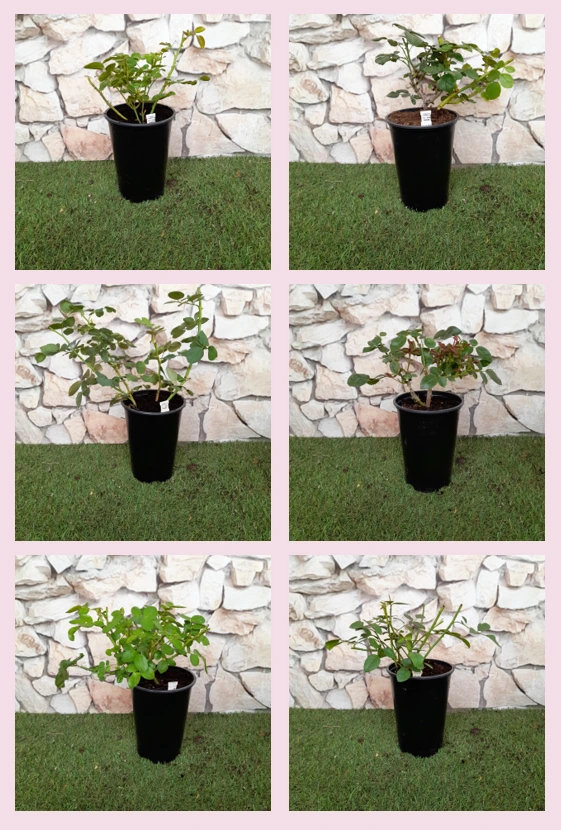
DISCUS AMORINA – orange-red landscape shrub rose – De Ruiter
Imagine a sheltered coastal corner where you can sip tea after beach walks, protected by a low hedge of vibrant orange-red blooms that sway yet stand firm in salty breezes and strong coastal weather, ideal for an average British family garden. DISCUS AMORINA is a compact, bushy modern shrub rose that thrives in beds or large containers, rewarding you with remontant clusters of cheerful single flowers from early summer onwards, with minimal pruning or fuss. Its durable foliage and good disease resistance mean less spraying and more time to enjoy that salty, windy, sunny mood, while its compact size fits neatly into smaller plots or verandas. As an own-root plant, it offers a naturally stable habit and the potential for a long, enduring life in your garden, quietly regenerating from the base if damaged. In a generous 40–50 litre pot it anchors well on a veranda, and in the border it forms a reliable low hedge that settles in quickly and keeps the colour coming.
Usage options
| Target area | Reasoning |
|---|
| Coastal veranda in 40–50 litre containers |
Discus Amorina’s bushy but compact habit is ideal for large pots that will not overpower a small veranda, while its good weather tolerance copes with blustery, salty air in western coastal locations; perfect for relaxed coastal-style beginners. |
| Low flowering hedge as a wind-filter |
Planted at 30 cm intervals, this modern shrub forms a low, dense hedge that filters wind rather than blocking it, so your seating area feels sheltered yet airy, making it easy to enjoy tea outdoors for longer each season for busy garden owners. |
| Small family front garden bed |
The rose’s 40–60 cm height and spread keep it in scale with modest front gardens, giving a neat, colourful edge without shading windows or paths, and its limited pruning needs suit those wanting impact with little time for detailed maintenance. |
| Remontant colour focus in mixed border |
Its clusters of single orange-red blooms repeat through the season, providing a bright focal point among perennials such as sea kale, Festuca and lavender, ensuring a long, lively display with little intervention for colour-loving coastal-style gardeners. |
| Easy-care family back garden planting |
Good disease resistance and low fertiliser needs mean fewer treatments and feeding routines, so the plant stays presentable between school runs and work, offering reliable structure and colour in busy family spaces for time-poor household gardeners. |
| Clay-prone borders with improved drainage |
Once drainage is improved with grit and organic matter, this tough shrub copes well with established heat and moderate dry spells, staying steady where some roses sulk, offering reassuring performance for those managing heavy-soil coastal plots. |
| Long-term structural planting in parks or shared gardens |
As an own-root shrub, it can regenerate from the base if stems are damaged and is not dependent on a graft, supporting a longer planting life and consistent appearance over the years for low-intervention communal-space managers. |
| Wildlife-friendly corner with seasonal interest |
The simple flowers allow easier pollinator access, and later in the season modest crops of bright red hips add soft structure and colour, extending interest into autumn for nature-aware but convenience-focused garden enthusiasts. |
Styling ideas
- Veranda Shoreline – Combine Discus Amorina in a 50 litre tub with blue Festuca and sea kale for a breezy, beach-hut feel – ideal for coastal veranda owners wanting colour with minimal upkeep.
- Cornish Shingle – Plant drifts through a gravel or shingle strip with common sage and low sedums to echo Cornish paths – for homeowners seeking a relaxed, low-watering front garden.
- Sunset Ribbon – Use as a low edging hedge along a path, underplanted with lavender to frame sunset views – suited to families wanting a simple, season-long border.
- Parklet Pocket – Mix with dwarf Michaelmas daisies and Japanese anemones for a mini “public park” look at home – perfect for urban gardeners craving robust, long-lived structure.
- Tea-after-Sea – Group several shrubs by a sheltered seating nook with a backdrop of ornamental grasses to create a calm, wind-filtered tea spot – for coastal-style lovers who value easy relaxation.
Technical cultivar profile
| Parameter | Data |
|---|
| Name and registration |
DISCUS AMORINA – orange-red landscape shrub rose from De Ruiter; a modern shrub (landscape) and bed rose, marketed for mass planting, hedging and compact garden use. |
| Origin and breeding |
Bred by De Ruiter Innovations BV, Netherlands; breeding year 2019, with parentage not disclosed, selected for landscape reliability and modern, compact growth in contemporary plantings. |
| Awards and recognition |
High-scoring award at The Hague rose trials in 2024, confirming its performance and ornamental value under independent assessment in a European trial garden setting. |
| Growth and structural characteristics |
Bushy, compact shrub to around 40–60 cm in height and spread, with mid-green, glossy, dense foliage and moderate prickles, forming a low, rounded mass suitable for edging or mass plantings. |
| Flower morphology |
Small, single, flat blooms in clusters, around 5–12 petals, with strong remontant behaviour and particularly abundant second flush, delivering repeated colour in beds, borders and low hedges. |
| Colour data and phenology |
Bright orange-red buds open to vivid orange-red, later softening to coral pink; RHS 33B outer, 42A inner, with moderate colour retention and a cheerful, lively effect across the flowering cycle. |
| Fragrance and aroma |
Fragrance is very weak and barely noticeable, so it is chosen primarily for colour and structure rather than scent; single blooms with open centres may still attract some garden pollinators. |
| Hip characteristics |
Produces moderate quantities of small, spherical hips, about 6–10 mm wide, bright red when ripe, adding subtle late-season interest and soft textural detail in mixed borders and hedges. |
| Resistance and winter hardiness |
Rated H7, hardy to about −26 to −23 °C, with good resistance to black spot and rust and resistance to powdery mildew, plus solid heat and moderate drought tolerance once well established. |
| Horticultural recommendations |
Low-maintenance; minimal pruning and fertilising required. Recommended at 30–55 cm spacing depending on use, in well-drained soil, or in at least 40–50 litre containers for stable, healthy growth. |
DISCUS AMORINA – orange-red landscape shrub rose – De Ruiter offers compact, repeat flowering colour, good resilience and the long-lived stability of an own-root plant, making it a thoughtful choice for easy-going coastal and family gardens.