DONATELLA® – light pink hybrid tea rose - Richardier
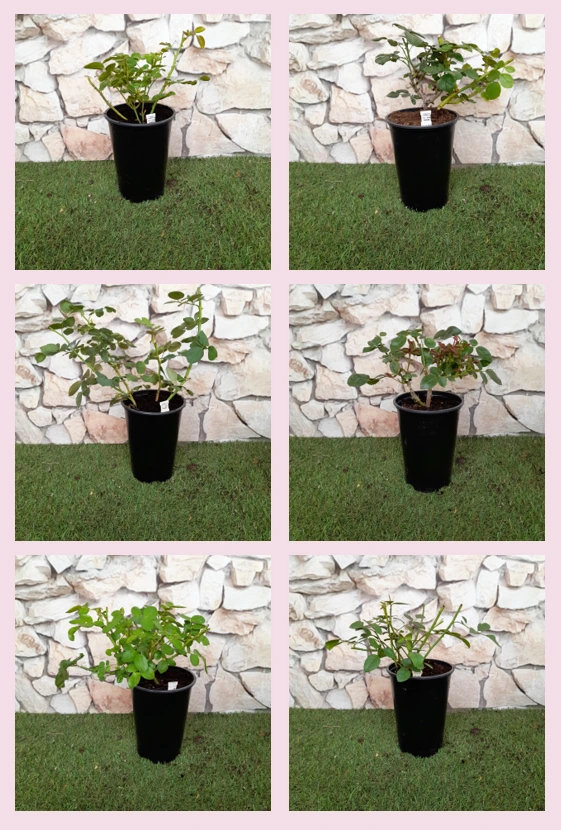
Imagine a sheltered coastal veranda where you can breathe in refreshment after a breezy walk, your DONATELLA® rose carrying a fragrance as classic as a traditional tea rose yet easy to live with in everyday family life. Its romantic pastel blooms repeat generously from early summer, giving you a long season of colour in a compact, upright shape that suits smaller borders, terraces and shingle gardens where good drainage supports secure anchoring against coastal winds. In its pharmaROSA® ORIGINAL 2‑litre form, this own‑root plant settles steadily: first roots, then stronger shoots, and by the third year a full display of flowers you can enjoy with minimal fuss. High resistance to key rose diseases and a low maintenance habit mean you can focus on enjoying the view and the salty air rather than constant pruning and spraying, while its proven longevity lets it mature gracefully as part of your long‑term garden structure.
Usage options
| Target area | Reasoning |
|---|
| Small coastal family garden border |
Compact, upright growth and dense, glossy foliage make this rose ideal where space is limited but you still want a clear focal point. Its hybrid tea form gives defined, elegant blooms that stand out among gravel, shingle or low perennials, suiting busy coastal homeowners. |
| Wind‑sheltered veranda in large containers |
The strong, upright framework fills a 40–50 litre container reliably without becoming leggy, creating a vertical accent beside outdoor seating. In a sheltered corner, the tall stems catch the breeze, bringing scent to your table with little more than regular watering for container gardeners. |
| Cut‑flower corner near a seating area |
Extra‑large, very double blooms on long, straight stems make superb cut flowers for vases indoors while leaving enough buds for garden display. The classic exhibition‑style flower form suits a dedicated cutting patch, rewarding regular picking for home floristry enthusiasts. |
| Low‑maintenance front‑of‑house planting |
Good resistance to black spot, mildew and rust keeps the foliage attractive with minimal spraying or intervention, supporting tidy kerbside planting. With basic deadheading and occasional feeding, it remains presentable through the season, ideal for time‑pressed householders. |
| Lightly shaded terrace or side passage |
Its tolerance of partial shade allows planting where many roses would sulk, such as a side return or veranda that only sees sun for part of the day. You still gain flower and fragrance without reshaping the garden layout, which suits practical, space‑aware owners. |
| Romantic focal point in a coastal shingle bed |
The steady, upright habit and dense foliage help the plant sit firmly among gravel and shingle, echoing cottage‑garden romance without needing deep borders. Planted with silvery grasses and sea‑inspired perennials, it becomes a soft, feminine highlight for seaside‑style gardeners. |
| Long‑season specimen in a lawn island bed |
Strongly remontant flowering gives repeated waves of pastel pink blooms from early summer onwards, extending the season of interest around a small lawn. With one plant placed centrally and underplanted simply, you gain a clear, long‑performing feature for informal family gardens. |
| Long‑term structural rose for stable planting schemes |
As an own‑root rose, the plant regenerates well from the base and is not dependent on a graft, supporting a long lifespan and stable shape over many seasons. This encourages investment in permanent planting plans for those wanting enduring, reliable structure in their garden. |
Styling ideas
- Veranda-Romance – Position one or two plants in 50‑litre tubs with pale gravel mulch, add a small bistro set and a lantern to enjoy evening scent – for coastal veranda owners seeking a soft, feminine retreat.
- Shingle-Drift – Plant in a shingle bed with sea kale, Festuca and low lavender, allowing the pastel blooms to float above silver foliage – for lovers of relaxed, beach‑inspired planting.
- Tea-and-Roses – Create a small cutting strip with repeat‑flowering roses and simple foliage plants, keeping DONATELLA® closest to your back door – for home floristry fans who like easy, regular picking.
- Front-Door-Welcome – Flank a path with evenly spaced plants backed by dark evergreens, keeping maintenance to light pruning and feeding – for busy families wanting a smart entrance with minimal effort.
- Twilight-Nook – Tuck the rose into a part‑shade corner with hostas and a bench so the fragrance greets you at dusk – for beginners seeking a simple, scented hideaway.
Technical cultivar profile
| Parameter | Data |
|---|
| Name and registration |
Hybrid tea rose, Romantica® collection. Registered as MEIkerira, traded as Donatella® Romantica® MEIkerira; ARS exhibition name Donatella. Commercial type and group: hybrid tea rose. |
| Origin and breeding |
Bred by Michèle Meilland Richardier, Meilland International SA, France. Breeding and registration completed in 2009, introduced in 2011 by Meilland International as a garden and exhibition hybrid tea. |
| Awards and recognition |
Highly decorated exhibition cultivar: Gold Medals at Baden‑Baden, The Hague and Rome, plus a specific Fragrance Award at Roeulx, confirming both ornamental and scent quality. |
| Growth and structural characteristics |
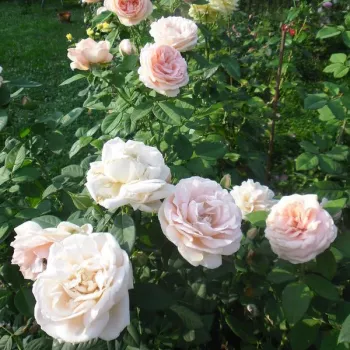
Upright habit 90–130 cm high, 55–85 cm spread, with dense, glossy dark green foliage and moderate prickles. Self‑cleaning is weak, so spent blooms benefit from regular deadheading to stay neat. |
| Flower morphology |
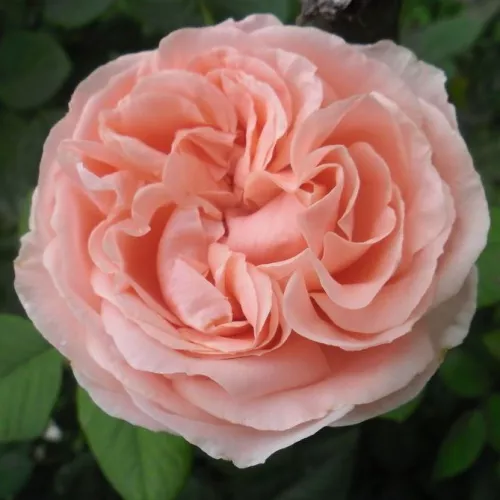
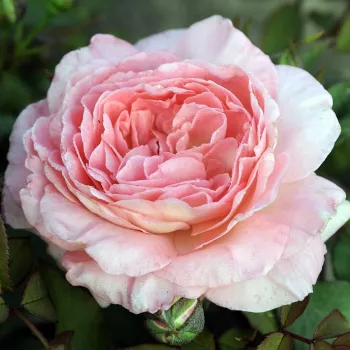
Very double, rosette‑shaped hybrid tea blooms with over 40 petals. Extra‑large flowers, often in small clusters, strongly remontant with abundant second flush, suitable for cutting and display. |
| Colour data and phenology |
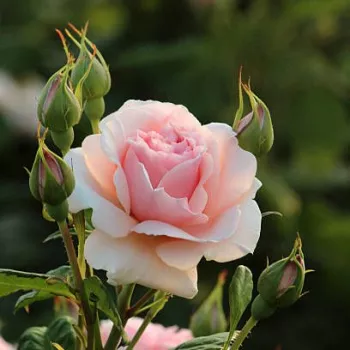
Delicate, light pink flowers; buds mid‑pink (RHS 65C), opening to paler tones (65D) and finally a soft, silvery‑rose. Colour retention moderate, with even shading in full bloom and graceful fading. |
| Fragrance and aroma |
Very strong, classic rosy fragrance with long‑lasting character on the plant and in the vase. Highly scented blooms enhance seating areas and cut‑flower arrangements, though stamens are concealed. |
| Hip characteristics |
Hip set is slight due to regular removal of double blooms; occasional ovoid, orange‑red hips 10–14 mm may form later in the season if flowers are left uncut, providing modest additional interest. |
| Resistance and winter hardiness |
Rated H7, hardy to approximately −21 to −18 °C (USDA 6b, Sweden zone 3). Good resistance to black spot, powdery mildew and rust; tolerates warmth but needs watering in prolonged drought. |
| Horticultural recommendations |
Suited to borders, hedges, specimen and terrace containers. Plant 50–90 cm apart, 2.8–3.2 plants/m² for massing. Low maintenance; partial shade tolerant; regular deadheading and balanced feeding recommended. |
DONATELLA® combines compact structure, repeat flowering and rich fragrance in an own-root form that builds long-term strength and reliability, making it a thoughtful, easy-care choice for your garden.