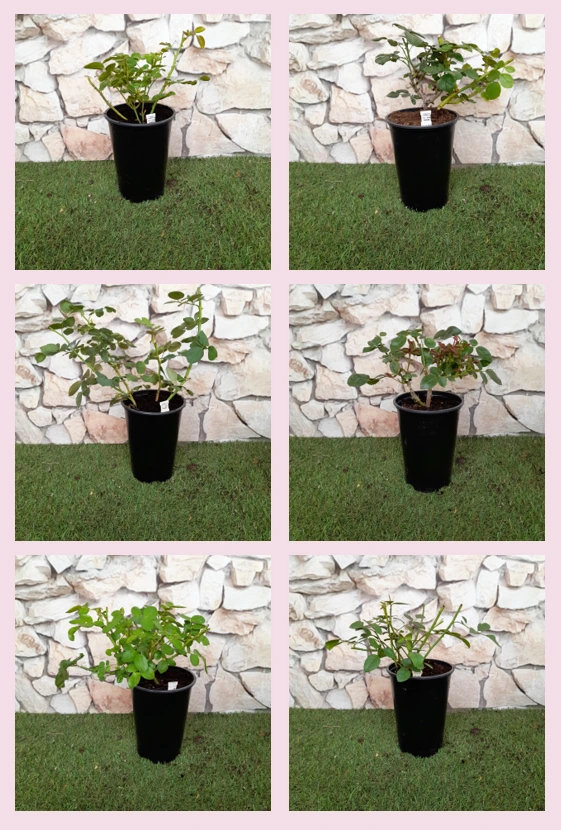
DOPEY – red bedding polyantha rose – de Ruiter
Imagine stepping onto a sunny coastal veranda, sheltered by a low rose hedge whose compact mounds of foliage stay neat in the breeze and anchor the bed in blustery weather while helping manage wet, heavy ground; ‘Dopey’ delivers a reliable flush of small, clustered blooms from early summer onwards with a light, classic rose perfume, giving continuous colour in modest borders and shingle gardens without demanding complicated pruning, and its own-root form means a naturally stable plant that recovers well after wind, lives for many years and keeps its ornamental value; planted in generous containers of at least 40–50 litres or in narrow beds, it adapts easily to busy routines, needing only straightforward seasonal care, while over the first three seasons it quietly invests in roots, then develops stronger shoots, and finally settles into full flowering performance that feels as relaxed and refreshing as tea after collecting seashells.
Usage options
| Target area | Reasoning |
|---|
| Small coastal front garden bed |
The naturally compact habit forms low, tidy mounds that will not overwhelm a modest Cornish or Devon frontage, giving structure without blocking light or views. This makes it easy to manage for beginners. |
| Wind‑exposed shingle or gravel strip |
Its dense, bushy framework and fibrous root system help the plant sit firmly in breezy spots, supporting a planting that copes well with blustery conditions and occasional surface water, reassuring for coastal‑style owners. |
| Long‑season colour in a narrow border |
The remontant, cluster‑flowered habit provides many small flushes through the season, so even slim borders stay lively for months with minimal dead‑heading, ideal for busy households. |
| Large patio container on a veranda |
In a 40–50 litre or larger pot, the compact rose crowns the container without becoming leggy, giving a controlled dome of foliage and flowers that suits patios where space and watering time are limited for urban gardeners. |
| Low informal flowering hedge |
Close planting at the recommended hedge spacing lets the plants knit into a low, colourful line that defines play areas or paths without hard edges, easy to maintain for relaxed family gardens. |
| Coastal clay soil with improved drainage |
Once the soil is opened with grit or organic matter, the moderate, well‑branched root system settles reliably in wetter clay, offering steady growth that copes with breezy, rain‑washed sites valued by seaside homeowners. |
| Long‑term, low‑replacement planting |
As an own‑root rose, replacement from suckers is true to type and the plant ages evenly, maintaining its shape and display for many years with basic seasonal care, reassuring for time‑pressed gardeners. |
| Wildlife‑friendly mixed bed with hips |
The semi‑double flowers are followed by neat red hips in autumn, extending interest and subtly supporting garden life without creating mess, suiting understated, naturalistic schemes favoured by hobby gardeners. |
Styling ideas
- Shell‑edge border – Line a narrow shingle strip with ‘Dopey’ and weave in sea kale and blue Festuca for a low, beach‑inspired ribbon of colour – for coastal veranda owners.
- Rosy patio pot – Plant one ‘Dopey’ in a 50‑litre terracotta tub with trailing thyme at the rim for easy, compact flowering by the back door – for busy beginners.
- Play‑friendly hedge – Create a knee‑high hedge along a lawn using close‑spaced plants, softening the edge while keeping sight‑lines open – for young family gardens.
- Evening tea corner – Combine ‘Dopey’ with lavender and low grasses beside a bistro set for a sheltered, fragrant nook with long‑season colour – for relaxed home workers.
- Neat modern bed – Mass‑plant in a rectangular bed with Verbena hastata ‘Pink Spires’ dotted through for height, keeping the whole scheme compact yet vibrant – for design‑conscious homeowners.
Technical cultivar profile
| Property | Data |
|---|
| Name and registration |
Polyantha bedding rose ‘Dopey’; ARS exhibition name Dopey; unregistered cultivar, marketed as DOPEY – red bedding polyantha rose – de Ruiter for bed and container use. |
| Origin and breeding |
Bred by Gerrit de Ruiter, De Ruiter Innovations B.V., Netherlands, from ‘Robin Hood’ × unknown seedling; introduced in 1954 through nurseries in Germany and the United Kingdom. |
| Growth and structural characteristics |
Compact, bushy habit 30–45 cm tall and 30–50 cm wide, with dense, glossy dark green foliage and light prickliness; forms low mounds suitable for bedding, edging and containers. |
| Flower morphology |
Semi‑double, cup‑shaped flowers with 13–25 petals, borne in multi‑flowered clusters; small bloom size (around 0.5–1.5 in) and good remontancy with a plentiful second flush. |
| Colour data and phenology |
Medium, rich red blooms (ARS MR; RHS 46B–46A); buds ruby to burgundy, opening vivid scarlet and fading evenly through mid‑red to raspberry red, maintaining attractive bedding colour as flowers age. |
| Fragrance and aroma |
Classic rose fragrance character but very weak, barely noticeable in normal garden use; primary ornamental effect is from colour and floriferous clusters rather than scent display. |
| Hip characteristics |
Produces moderate numbers of small, spherical red hips, about 5–8 mm across, extending decorative interest into autumn without dominating the overall bedding composition. |
| Resistance and winter hardiness |
Hardy to about −21 to −18 °C (RHS H7, USDA 6b, Swedish zone 3); moderate resistance to black spot, mildew and rust; tolerates summer heat with adequate watering but not prolonged drought. |
| Horticultural recommendations |
Best for beds, borders, low hedges and large containers; plant 25–45 cm apart depending on use; prefers fertile, well‑drained soil and regular watering; maintenance medium with occasional health checks. |
DOPEY offers compact, cluster‑flowered colour and long‑term, own‑root reliability in beds or generous patio containers, providing an easy‑care red accent that rewards straightforward planting with years of steady performance; consider it where space and time are limited.