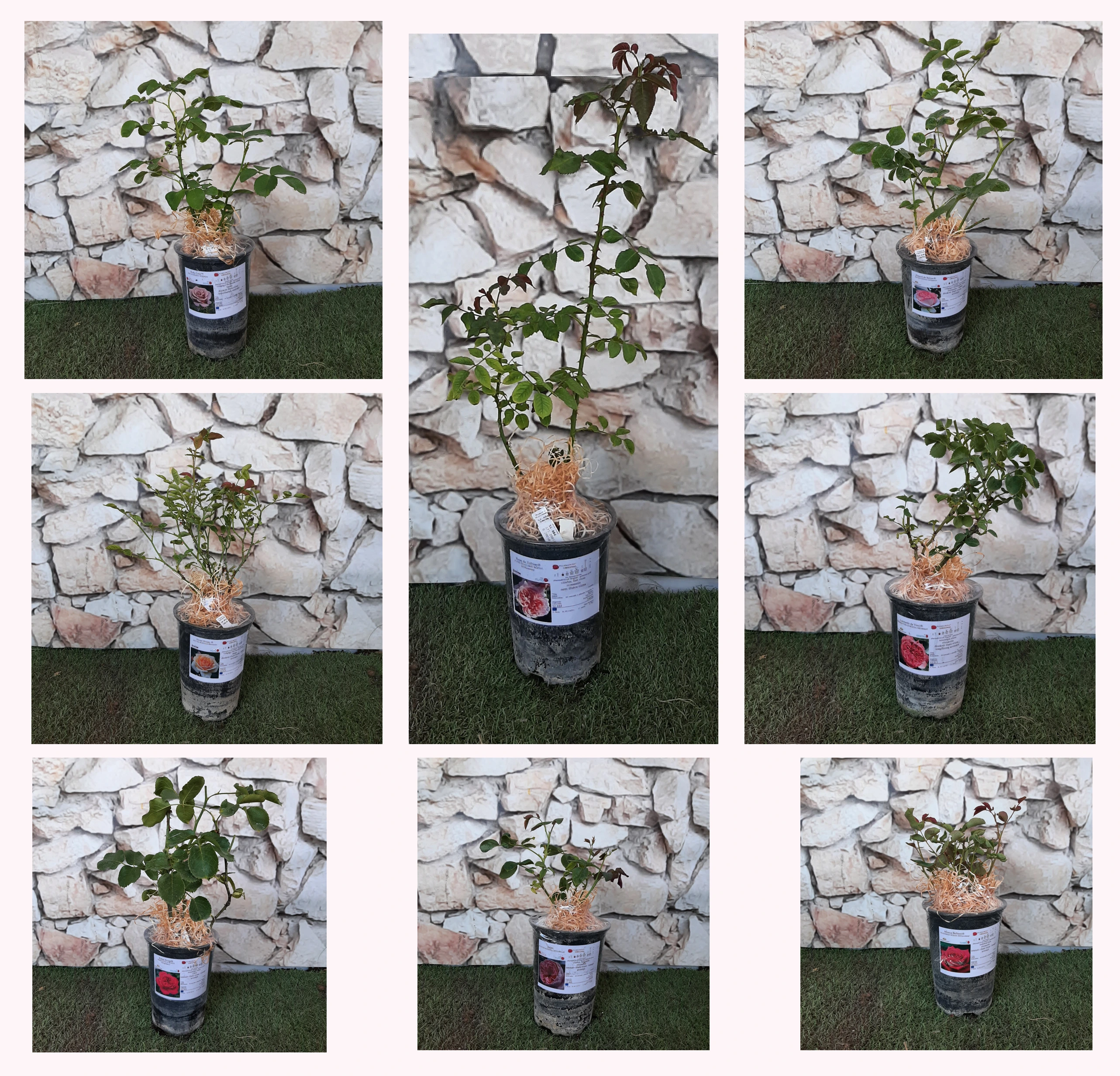
KEW RAMBLER – pink climbing rambler rose
Imagine drinking tea on a sheltered veranda after a blustery beach walk, the air filled with the salty tang of the coast and the light, muscat-like fragrance of KEW RAMBLER drifting over from an arch or pergola. This vigorous rambler is remarkably easy-care, shrugging off typical British coastal weather, where strong winds and heavy rain demand planting that copes with exposed conditions and holds the soil securely. Once settled, its long, flexible canes form a generous screen for privacy, clothing fences, trees and pergolas in clouds of single, soft pink flowers that fade to near white in midsummer. The simple blooms are a magnet for bees and butterflies, followed by bright orange hips that bring autumn wildlife interest for birds. Planted in well-drained soil or in a large 40–50 litre container, this own-root rambler promises enduring longevity, quietly building strength below ground in year one, pushing taller, more confident shoots in year two, and reaching its full ornamental impact by around year three for low-fuss, high-reward coastal-style gardens.
Usage options
| Target area | Reasoning |
|---|
| Coastal veranda windbreak |
Trained along a balustrade or light framework, KEW RAMBLER creates a soft, living wind-filter that suits shingle and seaside planting, while its flexible canes are easy to tie in and maintain for beginners. |
| Pergola or arch over seating |
This rambler’s long, trailing growth quickly clothes a pergola or arch, giving dappled shade and a canopy of scented, single flowers that need minimal deadheading, ideal for those wanting romance without constant pruning for the busy homeowner. |
| Wildlife-friendly family garden corner |
The simple, open flowers offer easy nectar for bees and butterflies, then plentiful orange hips for birds, helping children observe seasonal wildlife up close in a relaxed, naturalistic part of the garden for the family gardener. |
| Training into a small tree |
Its true rambling habit excels when guided into a sturdy small tree, creating a once-a-year summer cascade of blossom with very little intervention, relying on occasional tying-in and shaping for the casual gardener. |
| Low-maintenance boundary screen |
Planted along a fence or boundary, its vigorous, moderately thorny shoots form a soft, informal screen that needs only light post-flowering trimming, perfect where you want coverage without a high-maintenance hedge for the time-poor owner. |
| Clay soil coastal garden |
In typical heavy garden soils it settles in steadily, coping well once drainage is improved, and its strong root system helps anchor the plant in blustery, wet conditions often found near the coast for the coastal gardener. |
| Large container on terrace or balcony |
Grown in a 40–50 litre or larger container with a sturdy support, KEW RAMBLER delivers a burst of summer flower and scent while remaining easy to water and manage in tight spaces for the urban balcony-owner. |
| Long-term feature for beginners |
As an own-root rose it establishes reliably, recovering well after hard pruning or weather damage, then building into a long-lived garden feature that improves each year without complex techniques for the new gardener. |
Styling ideas
- Seaside-pergola – Drape KEW RAMBLER over a wooden pergola with sea kale and blue Festuca beneath for a relaxed, dune-inspired look – ideal for coastal-style lovers.
- Romantic-arch – Train it over a metal arch, underplant with lavender and Nepeta for scented, bee-friendly paths – perfect for hobby gardeners.
- Wildlife-hedge – Let it mingle through informal shrubs, leaving hips for birds and seedheads around – suited to nature-focused families.
- Tree-fountain – Guide its canes up into a small ornamental tree to create a midsummer cascade of blossom – for creative garden experimenters.
- Balcony-screen – Grow in a 50 litre container with a fan trellis to form a soft privacy veil on a sunny terrace – great for busy urban owners.
Technical cultivar profile
| Parameter | Data |
|---|
| Name and registration |
Kew Rambler climbing rose; rambler group cultivar, unregistered but historically established; marketed as KEW RAMBLER – pink climbing rambler rose for pergolas, arches and naturalistic training. |
| Origin and breeding |
Bred at the Royal Botanic Gardens, Kew, from Rosa soulieana × ‘Hiawatha’; breeding completed around 1912 and introduced in 1913, now a classic heritage rambler in garden use. |
| Growth and structural characteristics |
Strong, rambling climber reaching about 5–7.5 m high and 3–5 m wide; moderately thorny grey‑green foliage, flexible canes ideal for training over pergolas, arches, fences and into trees. |
| Flower morphology |
Single, flat flowers with 5–12 petals, small (around 1–3 cm), produced in large, airy clusters; once‑flowering in early summer with good self‑cleaning, leaving hips prominent on the shoots. |
| Colour data and phenology |
Buds deep pink, opening pastel flesh‑pink with creamy white centre; colour soon lightens to near white with faint pink edges; overall pink effect strongest at first, softening as the clusters mature. |
| Fragrance and aroma |
Noticeable, medium-strength scent with a light muscat-like character; carries gently around arches or pergolas in warm weather without becoming overpowering near seating areas. |
| Hip characteristics |
Sets abundant small spherical hips, roughly 7–10 mm across, turning a bright orange by autumn; decorative through winter and valuable as a natural food source for garden birds. |
| Resistance and winter hardiness |
Generally very disease resistant to powdery mildew, black spot and rust; hardy to about −23 to −21 °C (RHS H7, USDA 6a), coping well with most UK winters when planted in appropriate soil. |
| Horticultural recommendations |
Prefers well-drained soil with support for its long canes; suitable for partial shade but best flowering in sun; low maintenance, needing mainly post-flowering pruning and occasional tying-in or thinning. |
KEW RAMBLER offers easy-care vigour, wildlife appeal and long-term screening in an own-root form that recovers well and endures for years, making it a thoughtful choice for relaxed family gardens and coastal-style spaces.