DU CHÂTELET – pink nostalgic rose - Sauvageot
Imagine returning from the beach to a sheltered corner, where clusters of pastel blooms bring gentle refreshment after a salty breeze. DU CHÂTELET settles calmly into coastal family gardens, coping well with blustery days and helping manage soil moisture and root anchoring in exposed spots. Its bushy, compact habit fits neatly beside a veranda, while long, remontant flowering keeps your seating area softly coloured from early summer well into autumn. The mild, romantic fragrance and nostalgic pompon blossoms feel quietly luxurious, yet this own-root shrub is bred for dependable longevity, rebuilding its structure if pruned hard or weather-damaged. Plant once, give it reasonable care, and watch it deepen its presence year by year in a relaxed, low-fuss seaside scheme.
Usage options
| Target area | Reasoning |
|---|
| Small coastal front garden bed |
The bushy, medium-height shrub fills a compact front bed without overwhelming paths or windows, ideal for softening shingle or gravel near the house and giving reliable shape in windy situations – perfect for the beginner. |
| Veranda container by a seaside seating area |
In a 40–50 litre container, its rounded habit and long flowering season frame a balcony or veranda with calm, pastel colour, while own-root resilience supports long-term use in large pots – suited to the busy homeowner. |
| Romantic hedge along a garden boundary |
Planted at hedge spacing, its floribunda clusters create a soft, pink privacy curtain that doubles as a gentle windbreak, echoing traditional cottage gardens without demanding intricate pruning – reassuring for the casual gardener. |
| Mixed border with coastal-tolerant perennials |
Its pastel blooms sit beautifully alongside sea kale, Festuca and Lavandula, where the bushy structure adds body and helps hold planting together through breezy weather and typical coastal showers – ideal for the style-conscious planner. |
| Feature rose near a family seating nook |
Placed close to a bench or outdoor table, the mild fragrance and nostalgic flower form provide a soothing backdrop for evening tea without overwhelming the space, encouraging relaxed use of the garden – attractive to the comfort-seeking family. |
| Season-long colour anchor in a small border |
The remontant flowering, with abundant second flush, anchors a compact bed with repeated waves of bloom, reducing the need for complex succession planting and keeping interest going from early summer to autumn – helpful for the time-poor owner. |
| Long-lived structural shrub in a family garden |
As an own-root rose it builds a durable framework that can regenerate from the base, maintaining ornamental value even after harder pruning or weather setbacks and remaining reliable year after year – reassuring for the long-term-focused buyer. |
| Sheltered, sunny clay border by the house |
In a reasonably drained yet heavier soil, its dense root system benefits from the house’s shelter, while its structure helps stabilise planting in blowy conditions and cope with typical British wet-dry cycles – practical for the coastal-plot gardener. |
Styling ideas
- Seaside-Veranda Charm – position one large container by a south-facing veranda door, underplanted with silvery Festuca and a small sea kale for a relaxed coastal feel – for veranda-loving couples.
- Pink-Shingle Ribbon – weave a short row through a shingle strip, spacing plants generously and mixing in low lavender mounds for scent and structure – for owners of narrow coastal fronts.
- Nostalgic-Tea Corner – flank a simple bench with two shrubs, backed by dwarf pines and soft grasses to catch the wind and frame a quiet tea spot – for families who linger outdoors.
- Pastel-Mixed Border – blend with Phlox paniculata and bearded iris in a sunny strip, using its compact form as a visual anchor among looser perennials – for colour-focused hobby gardeners.
- Soft-Privacy Hedge – run a low hedge along a path or terrace edge, pairing with lavender at the base to combine subtle screening, fragrance and low maintenance – for privacy-seeking homeowners.
Technical cultivar profile
| Parameter | Data |
|---|
| Name and registration |
Romantic shrub rose, commercial name DU CHÂTELET, registered as SAUban, also known as Roseraie du Chatelet in exhibition use; part of the NIRPESPACE collection and classed as a nostalgia floribunda. |
| Origin and breeding |
Bred in France by Bernard Sauvageot in 1999, with parentage not publicly recorded; initially distributed by NIRP International from 2000, representing the Romantica style within modern shrub roses. |
| Awards and recognition |
Highly decorated exhibition rose with silver medals at Baden-Baden and Rome, further honours at Saverne and Orléans, plus the Copa de Damas and a bronze medal in Buenos Aires around 1999–2000. |
| Growth and structural characteristics |
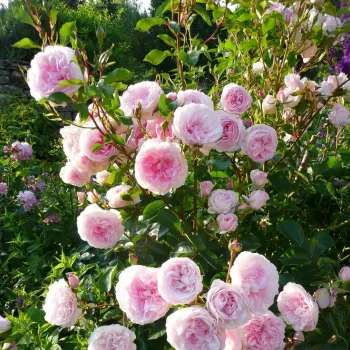
Bushy growth to about 80–120 cm high and 55–90 cm wide, with dense, slightly glossy dark green foliage and moderate prickles, forming a rounded shrub suited to beds, low hedges and specimen planting. |
| Flower morphology |
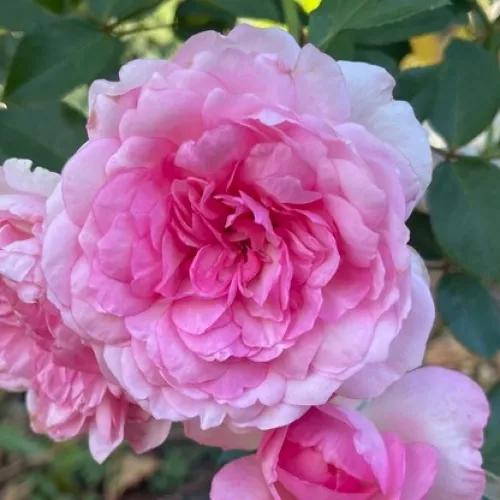
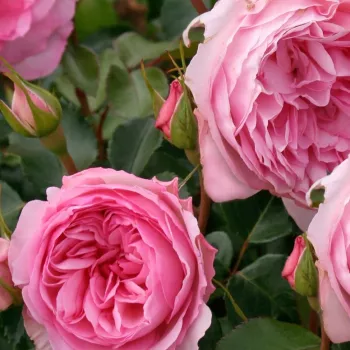
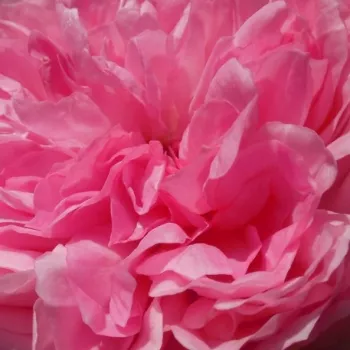
Large, very double, globular to pompon blooms with over 40 petals, borne in clusters on branching stems; remontant habit with particularly abundant second flush after the main early summer flowering. |
| Colour data and phenology |
Delicate pastel pink flowers with carmine-pink shading (RHS 65C–65D), opening powder pink then gradually fading to a near whitish pink by fall; in full bloom the cups are uniformly pale with a softly shaded centre. |
| Fragrance and aroma |
Fragrance is light and restrained rather than strong, with a gentle, romantic character suited to close seating areas; very double form means limited appeal to pollinators and minimal pollen presentation. |
| Hip characteristics |
Rose hips are generally scarce because of the very double blooms; where formed, they are small, spherical orange-red hips about 9–15 mm in diameter, adding only modest late-season decorative effect. |
| Resistance and winter hardiness |
Hardy to approximately −21 to −18 °C (RHS H7, roughly USDA 6b), with medium resistance to black spot, powdery mildew and rust; performs moderately in heat and needs watering in prolonged drought. |
| Horticultural recommendations |
Prefers sunny positions with reasonably drained soil; spacing varies from 40–75 cm depending on hedge or specimen use, with typical planting densities around 4–5 plants per m² for massed displays. |
DU CHÂTELET brings long-season pastel blooms, a compact shrub habit and durable own-root resilience to coastal and family gardens; consider it if you would like quietly romantic colour with dependable structure.