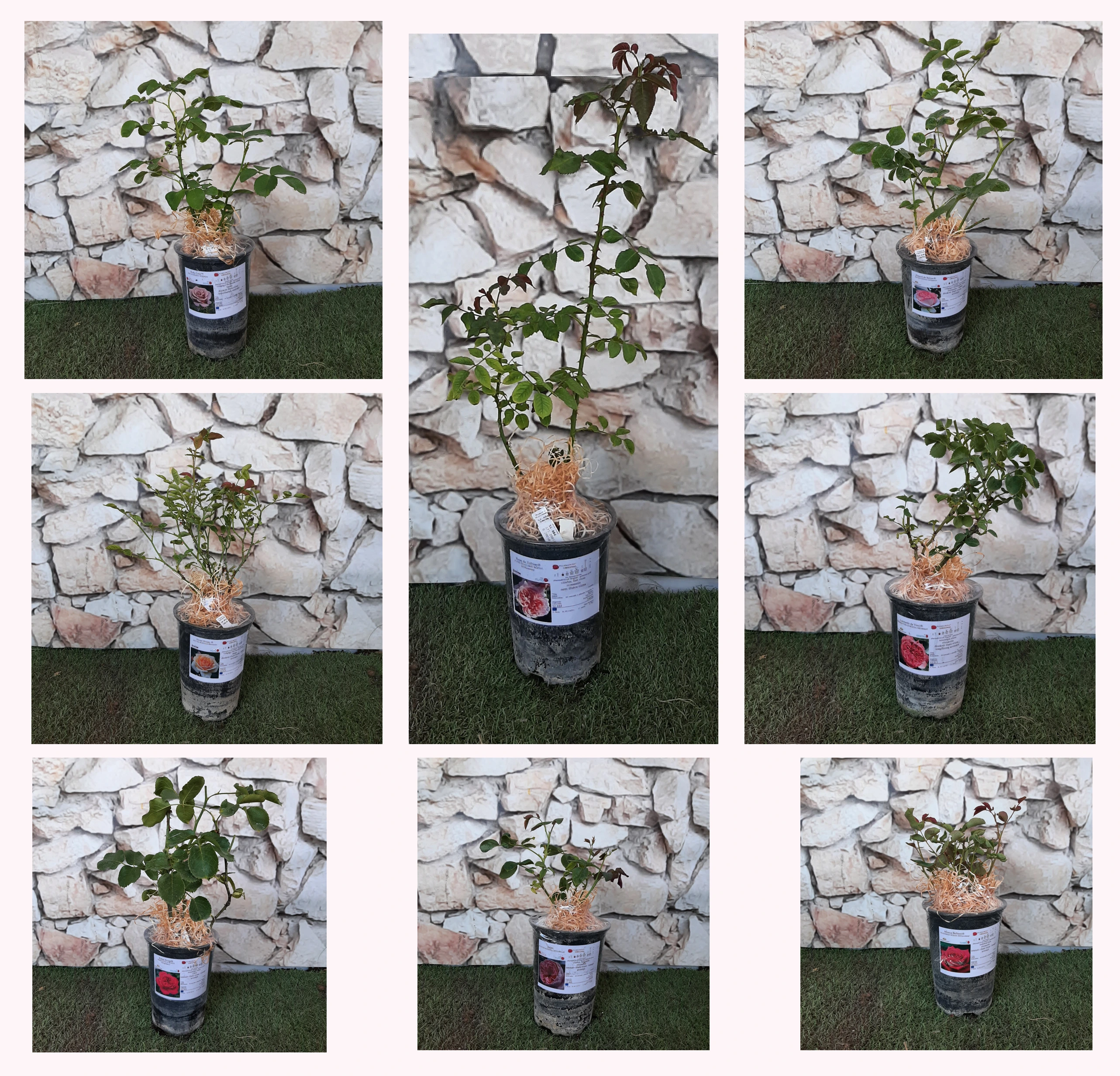
Darwina Climbing rose pharmaROSA® – yellow climbing rose
Along a breezy Cornish fence or a sunny Devon veranda, Darwina settles in as an uncomplicated, golden backdrop to family life, offering easy-care planting, reliably healthy foliage and strong, repeat flowering all summer. Its own-root form means steady anchoring, quiet regeneration after rough weather and a reassuringly long life with little intervention. Large, double blooms in a warm golden yellow fade gently to cream, bringing a soft, girly note to coastal-style planting without appearing fussy. As the years pass, roots establish, shoots strengthen and by the third season the plant reaches full ornamental value, handling lively breezes and helping manage heavy soil by thriving where drainage has been sensibly improved in challenging clay spots. Ideal for compact spaces, it clothes rose arches, pergolas and railings with moderate vigour, while its strong, fruity-citrus fragrance makes afternoon tea outdoors feel brighter and more refreshing.
Usage options
| Target area | Reasoning |
|---|
| Small coastal family garden pergola |
Low maintenance needs and good disease resistance make Darwina an obvious choice where you want colour, not chores, across the main summer holidays, particularly in smaller coastal plots with time-pressed beginners. |
| Wind-exposed fence in a seaside setting |
The climbing habit and reliable framework allow it to form a living screen that copes with breezy, salty conditions once established, offering privacy and movement without constant pruning for coastal-style homeowners. |
| Rose arch over a narrow path |
Medium height and controlled spread make it suitable for arches where you still need headroom and clear access, giving a tunnel of yellow blooms and scent that stays manageable for busy urbanites. |
| Container on a sunny veranda (40–60 L) |
In a large pot of at least 40–50 litres, its own-root stamina and moderate vigour mean steady growth rather than overwhelming bulk, ideal for framing a balcony or veranda rail for space-conscious couples. |
| Façade training along wires or trellis |
Climbing structure and glossy mid-green foliage create an elegant, permanent-looking wall feature, while resistance to common rose diseases helps keep façades smart without frequent spraying for style-aware gardeners. |
| Family seating area or tea corner |
The strong, fruity-citrus fragrance and repeat flowering bring a sense of refreshment around seating, echoing lazy seaside afternoons; once roots and shoots mature it performs reliably for relaxation-focused families. |
| Heavy soil border with improved drainage |
Once planted into clay that has been opened up with grit and compost, its own-root system settles and sends out sturdy shoots, giving stable ornamental value even in marginal ground for pragmatic planners. |
| “Girly” yellow-and-silver coastal scheme |
The warm golden-yellow flowers fading to cream pair beautifully with silvery foliage and grasses, giving a soft yet vibrant coastal feel that complements shingle, sea kale and Festuca for design-conscious enthusiasts. |
Styling ideas
- Veranda-Arch Elegance – Train Darwina over a slim metal arch in a large 50–60 litre container, underplanted with lavender for added scent – ideal for balcony and veranda owners.
- Coastal-Shingle Charm – Plant at the back of a shingle bed with sea kale and blue Festuca, letting yellow blooms glow against pebbles – suited to coastal-style lovers.
- Family-Tea Nook – Frame a bench with two plants on posts, pairing with lamb’s ear and fragrant peonies for a soft, “girly” look – perfect for family seating corners.
- Façade-Ribbon Planting – Space plants along a sunny wall and tie in along horizontal wires to form a scented yellow ribbon of colour – good for suburban homeowners.
- Low-Care Screen – Use along a boundary fence to create a semi-formal screen, combining with tough grasses for movement and minimal upkeep – made for busy beginners.
Technical cultivar profile
| Parameter | Data |
|---|
| Name and registration |
Darwina is marketed as Darwina Climbing rose pharmaROSA®, a large-flowered climbing rose for garden use; commercial grouping places it within modern climbing roses for structures. |
| Origin and breeding |
Discovered in Hungary around 2000 and introduced by PharmaRosa® Ltd.; parentage and breeder records are incomplete, but it is established as a reliable garden climber in continental Europe. |
| Growth and structural characteristics |
Climbing habit with approximately 200–320 cm height and 170–280 cm spread; moderately dense, glossy, mid-green foliage and moderate prickliness suit arches, pergolas, fences and façades. |
| Flower morphology |
Large, double, flat blooms with 26–39 petals, usually in clusters; remontant, with a generous second flush that extends the ornamental period well beyond the first summer display. |
| Colour data and phenology |
Intense, warm golden-yellow flowers opening from deep yellow buds; tones fade through creamy pale yellow to near-cream before petal drop, giving a softly changing display through each bloom cycle. |
| Fragrance and aroma |
Strong, long-lasting scent with a lively fruity-citrus character; best appreciated near seating or entrances where air movement carries fragrance past garden users during warm periods. |
| Hip characteristics |
Occasionally produces small hips, around 10–18 mm in diameter; colour data are limited, and hips are generally a minor ornamental feature compared with the showy flowers. |
| Resistance and winter hardiness |
Rated hardy to approximately −26 to −23 °C (RHS H7, Swedish Zone 4, USDA 5b); documented resistance to powdery mildew, black spot and rust supports low-input, easy-care cultivation. |
| Horticultural recommendations |
Suited to pergolas, arches, fences and façades; plant 170–300 cm apart depending on effect, ensuring improved drainage on heavy clay and strong support for long, climbing canes. |
Darwina Climbing rose pharmaROSA® offers low-maintenance health, repeat golden flowering and strong fragrance, with own-root resilience for long-term structure, making it a thoughtful choice for relaxed coastal-inspired gardens.