DUNE® – yellow climbing rose - Delbard
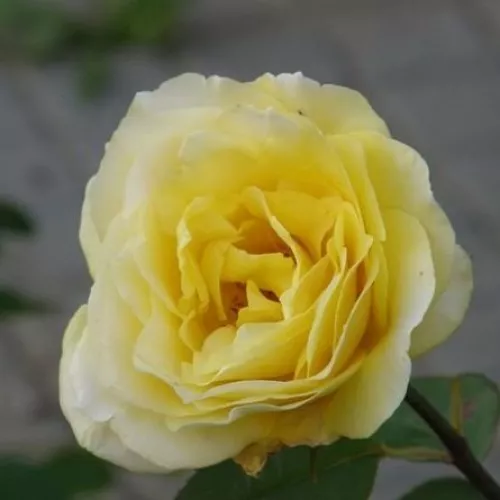
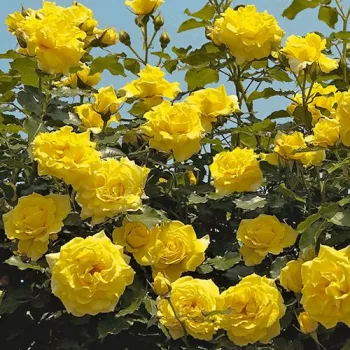
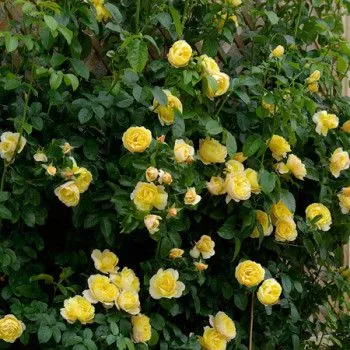
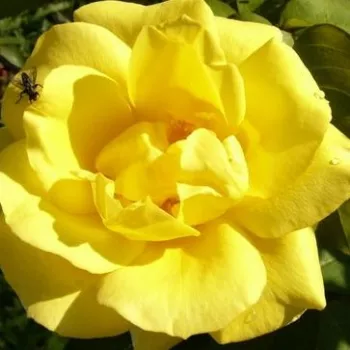
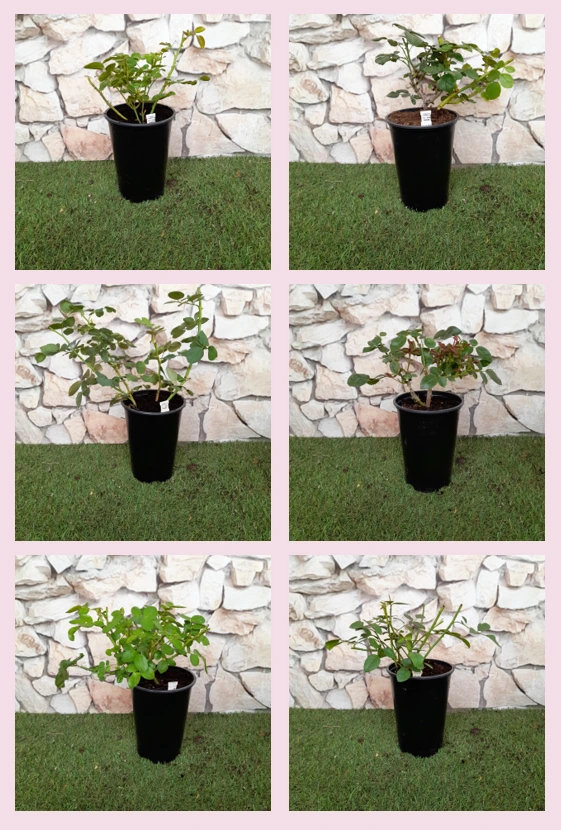
Sunlit afternoons on a coastal veranda suit DUNE®, a lemon-yellow climbing rose that brings refreshment and light to smaller UK family gardens while coping well with exposed, breezy sites and soils needing thoughtful drainage. Its vigorous yet manageable growth is ideal for training on walls, pergolas or balcony trellises, giving you generous repeat flushes from early summer into autumn with little more than basic pruning and watering. The own-root form develops steadily – roots first, then stronger shoots, then full ornamental presence – supporting a long-lived, reliable display that shrugs off many everyday stresses. Strong, fresh, citrus fragrance drifts around your seating area as clusters of cup-shaped, semi-double blooms soften from vivid lemon to buttery pastel tones in the sunshine. Over time, its anchored framework and medium disease tolerance make it a quietly dependable vertical accent for your veranda or shingle-style coastal planting, even in changeable weather.
Usage options
| Target area | Reasoning |
|---|
| Coastal veranda windbreak |
Trained on a trellis or balustrade, DUNE® forms a light, airy screen that tempers sea breezes without feeling heavy, while its bright lemon-yellow colour and citrus fragrance evoke sunny, seaside afternoons for relaxed coastal-style lovers. |
| Small family garden pergola |
Its medium vigour and 240–360 cm height suit compact pergolas, giving overhead shade and scented cover without overwhelming the structure, so children and adults alike can enjoy a welcoming, low-fuss garden retreat for busy family homeowners. |
| Sunny wall in town garden |
On a south or west-facing wall, this climber offers long-season flowering with manageable pruning, making good use of vertical space while leaving ground free for seating or play and reducing the need for intensive border maintenance for time-pressed urban gardeners. |
| Part-shade side passage |
Suitable for partial shade, it still flowers reliably along side returns and between houses, softening hard boundaries and adding scent where few other roses thrive, easing the challenge of creating charm in narrow, overlooked spaces for beginner gardeners. |
| Clay soil coastal boundary |
Once established in improved, free-draining planting holes, its climbing framework copes well with blustery sites where water must be managed carefully and roots anchored securely, making it a practical choice near shingle or clay boundaries for coastal garden owners. |
| Feature arch over path |
Repeat-flowering clusters in varying lemon-to-butter tones create a gently changing canopy above garden paths, with strong fragrance greeting you each time you pass, turning everyday routes into a small, sensory experience for romantic garden enthusiasts. |
| Large container by seating area |
In a 40–50 litre or larger container with regular watering, its controlled vigour and citrussy scent make a delightful companion to evening tea, offering climbing height and colour on patios and balconies without complicated care for casual veranda users. |
| Long-term structural climber |
The own-root habit supports a long lifespan and reliable regrowth after harsh winters or occasional pruning mistakes, giving you a stable, improving framework across the years rather than a short-lived display for forward-planning, investment-minded gardeners. |
Styling ideas
- Seaside-Archway – Train DUNE® over a simple wooden arch with gravel underfoot and pots of sea kale and blue Festuca either side – for coastal-style romantics seeking a fragrant entrance.
- Veranda-Retreat – Grow it in a 50 litre tub against a rail or post, underplanted with lavender to echo the citrus perfume – for tea-drinkers wanting an easy, scented corner.
- Sunlit-Wall – Fan-train on a warm wall, with low mounds of silvery foliage at the base to reflect the yellow blooms – for homeowners turning bare brick into a calm backdrop.
- Shingle-Strip – Plant into improved pockets within a shingle bed and let stems climb a simple wire frame, dotted with drought-tolerant perennials – for low-maintenance, beach-inspired gardens.
- Evening-Pergola – Combine DUNE® on posts with soft grasses and container roses nearby, so fragrance and colour surround an outdoor dining spot – for families enjoying relaxed summer suppers.
Technical cultivar profile
| Parameter | Data |
|---|
| Name and registration |
Climbing rose from the Grand Perfumes collection; registered as DELgrim and marketed as Dune® Grand Perfumes DELgrim, a large-flowered climber suitable for exhibition and garden use. |
| Origin and breeding |
Bred by Georges Delbard in France and introduced in 1993 by Delbard Pépinières et Roseraies; parentage unknown but selected for colour impact and fragrance within the Grand Perfumes range. |
| Awards and recognition |
Holder of three international medals, indicating proven ornamental and garden performance under trial conditions, with particular appreciation for its colour effect and characterful fragrance. |
| Growth and structural characteristics |
Climbing habit reaching about 240–360 cm in height with 150–230 cm spread; moderately dense, mid-green slightly glossy foliage and moderate prickliness, forming a balanced framework for training. |
| Flower morphology |
Semi-double, cup-shaped blooms with roughly 13–25 petals, carried mainly in clusters of medium-sized flowers, repeat-flowering through the season with a notably generous second flush. |
| Colour data and phenology |
Radiant yellow tones: glossy golden buds open deep lemon, then soften through sun-yellow to pastel, buttery shades; colour may lighten further in strong sun yet remains cheerful and decorative. |
| Fragrance and aroma |
Strong, fresh, lemony fragrance with clear citrus overtones; noticeable around seating areas and paths, designed more for human enjoyment than for pollinator attraction in typical garden settings. |
| Hip characteristics |
Rose hips produced only occasionally due to semi-double flowers; when present, they are small, spherical, vivid red and around 10–14 mm in diameter, adding a modest late-season accent. |
| Resistance and winter hardiness |
Hardy to about −23 to −21 °C (RHS H7, USDA 6a) with medium resistance to black spot, mildew and rust; benefits from standard rose care and regular watering during extended dry spells. |
| Horticultural recommendations |
Best on supports such as pergolas, arches, walls or trellises at 170–270 cm spacing; performs in full sun to partial shade with well-drained soil and a 40–50 litre minimum for container culture. |
DUNE® – yellow climbing rose - Delbard offers citrus-scented repeat flowering, compact, easy-to-train growth and long-lived own-root reliability, making it a thoughtful choice for relaxed coastal or urban gardens you plan to enjoy for many years.