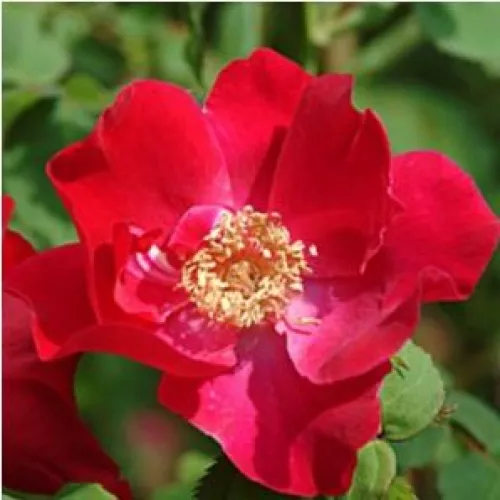
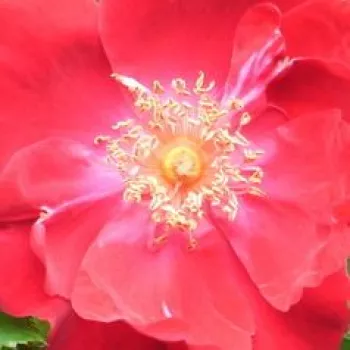
EDDIE'S JEWEL – red wild rose
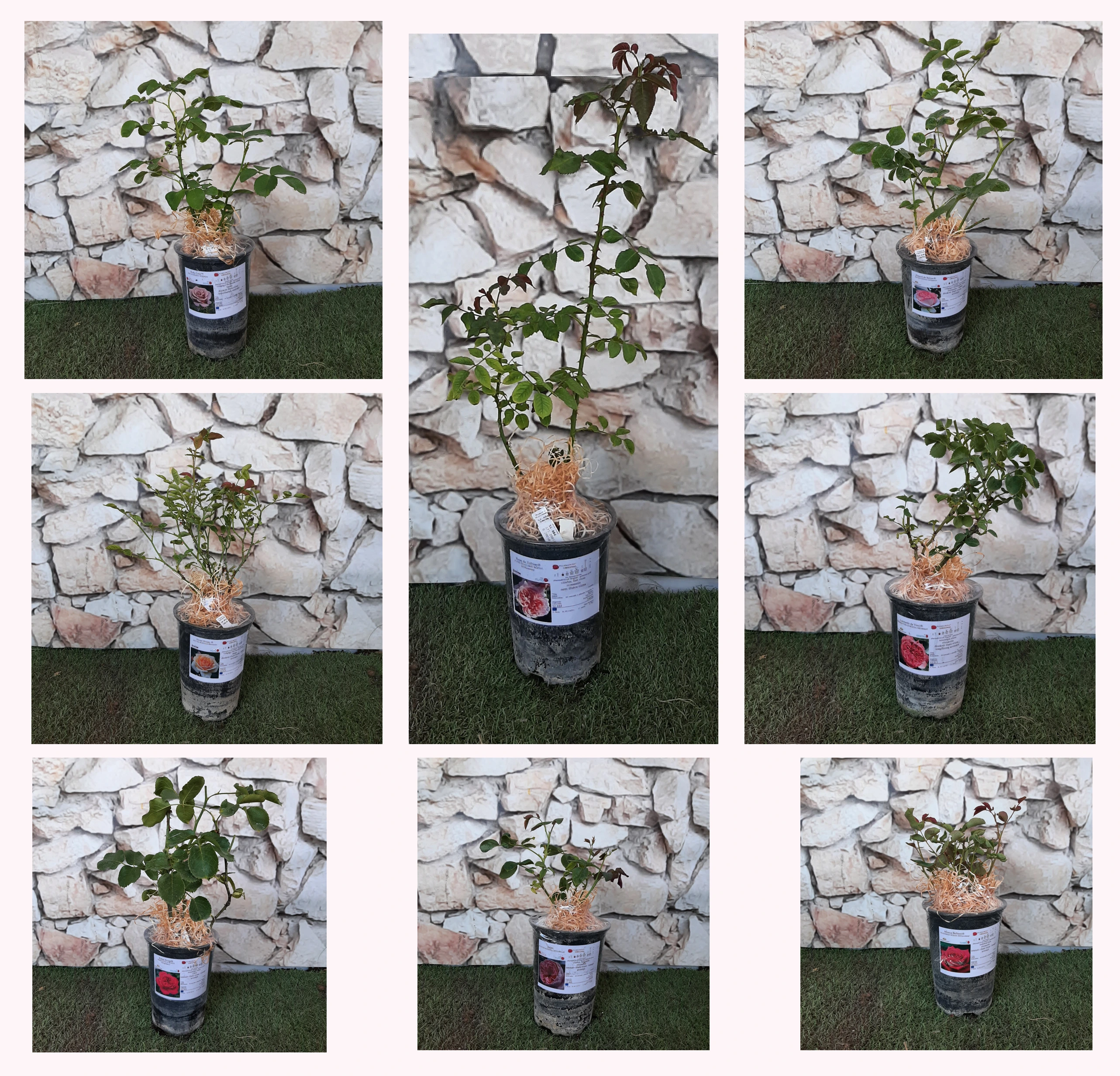
Imagine an easy, wind-brushed corner of your coastal garden where clusters of vivid ruby-red blooms glow against matt green foliage, forming a natural screen that shrugs off blustery weather and offers reliable structure in exposed family plots; coastal breezes and salt‑tinged air are no problem when you give this upright shrub a free‑draining spot with room to root deeply, helping it settle and anchor well over time. This own‑root rose develops gradually – first building roots, then strong shoots, and by the third year offering full impact with a tall, shrub‑like hedge effect, abundant hips and a quietly naturalistic wild character that suits relaxed, “girly” seaside shingle plantings and veranda containers where you want beauty without constant maintenance.
Usage options
| Target area | Reasoning |
|---|
| Coastal veranda in large containers |
Best suited to generous, stable containers of at least 40–50 litres, where its upright, shrub-like habit provides height and privacy without demanding intricate pruning, ideal for seaside balconies and decks for busy coastal veranda owners |
| Low‑maintenance family hedge |
Planted at hedge spacing, it forms a tall, natural screen with minimal shaping, giving children and pets a gentle, barely thorny boundary that stays attractive through the hips season for practical family‑garden users |
| Pollinator‑friendly wildlife corner |
The single clusters invite bees and other insects all summer, creating a lively wildlife strip that still looks tidy in an urban or suburban setting for nature‑loving hobby gardeners |
| Specimen focus in a small lawn |
Its strong vertical growth and red flowers draw the eye from a distance, so one plant on a small lawn or gravel patch can carry the whole scene with little ongoing work for time‑pressed homeowners |
| Shingle or gravel coastal bed |
Performs well in free‑draining, stony soil where you manage excess winter wet, steadily forming a resilient structure that copes with frequent wind and driving rain along exposed coasts for Cornwall and Devon garden owners |
| Mixed shrub border backdrop |
Placed at the back of a border, its height and moderate spread create a calm, dark green and red backdrop that supports perennials in front, without constant deadheading or reshaping for casual border gardeners |
| Naturalistic park‑style planting strip |
Works well in informal strips along paths or fences, where its moderate disease resistance and once‑a‑year flowering keep maintenance predictable and simple over many seasons for public‑space inspired home gardeners |
| Autumn hip display near seating |
The abundant, bottle‑shaped red hips that follow flowering give long‑lasting seasonal interest, so a plant near a bench or terrace offers colour and structure well into autumn for decor‑focused beginners |
Styling ideas
- Seaside‑Screen – Line a veranda edge with Eddie’s Jewel in 50‑litre tubs, underplant with blue Festuca and sea kale to echo dunes – ideal for coastal veranda owners wanting privacy and a breezy beach feel
- Wildlife‑Ribbon – Run a loose hedge along a fence, mixing the rose with Gypsophila repens and groundcover euonymus for flowers, hips and pollinator activity – for families keen to support garden wildlife
- Ruby‑Focus – Use a single specimen in a gravel circle, surrounded by low lavender and silver foliage for contrast and scent – perfect for beginners wanting one striking, easy focal point
- Shingle‑Border – Plant a back row of Eddie’s Jewel behind low, airy annual lobelia in a shingle bed to soften hard surfaces – suited to small gardens aiming for a relaxed coastal look
- Autumn‑Nook – Place a pair near a garden bench so the red hips frame your seating in late season, with pots of blue and white companions around – for homeowners who enjoy quiet, low‑effort seasonal interest
Technical cultivar profile
| Parameter | Data |
|---|
| Name and registration |
EDDIE'S JEWEL – red wild rose (Park – shrub rose), American Rose Society exhibition name Eddie’s Jewel; wild, Hybrid Moyesii shrub type for garden and landscape use. |
| Origin and breeding |
Bred by J. H. Eddie, H. M. Eddie and Sons Nursery, Canada; ‘Donald Prior’ × Rosa moyesii hybrid, introduced and registered in 1962 for robust garden and park planting. |
| Growth and structural characteristics |
Upright shrub 210–310 cm high, 150–220 cm spread, moderately dense, matt medium‑green foliage, barely thorny stems; weak self‑cleaning, with many spent flowers developing into hips. |
| Flower morphology |
Single, flat clusters of small flowers (0.5–1.5 in), 5–12 petals per bloom; a once‑blooming, non‑remontant display providing a strong seasonal flush rather than continual flowering. |
| Colour data and phenology |
Saturated, cool ruby‑red flowers, ARS mr, RHS 53A–53B; bright flame‑red buds deepen through carmine to dark maroon, with very good colour retention and slight darkening rather than fading. |
| Fragrance and aroma |
Very weak, barely noticeable floral aroma; chosen more for its vivid red display, natural form and wildlife value than for scent, suiting those prioritising colour and structure over perfume. |
| Hip characteristics |
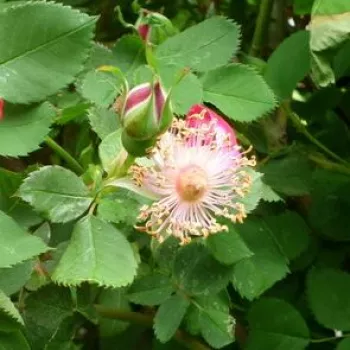
Produces abundant, bottle‑shaped rose hips, 15–25 mm diameter, vivid red; hips extend ornamental value well into autumn and can support wildlife‑oriented planting designs. |
| Resistance and winter hardiness |
Hardy to about −21 to −18 °C (RHS H7, Swedish zone 3, USDA 6b); tolerates moderate heat, with moderate resistance to powdery mildew, black spot and rust in typical UK conditions. |
| Horticultural recommendations |
Use as park shrub, specimen, untrimmed hedge or urban green accent; tolerates partial shade, medium maintenance, occasional pest control; plant 110–205 cm apart depending on hedge or specimen use. |
EDDIE'S JEWEL offers a tall, natural shrub presence, abundant red hips and pollinator‑friendly single flowers in a durable own‑root form that matures steadily over the years, making it a thoughtful choice for relaxed coastal and family gardens.