ELARA – orange bedding floribunda rose – PANdocell
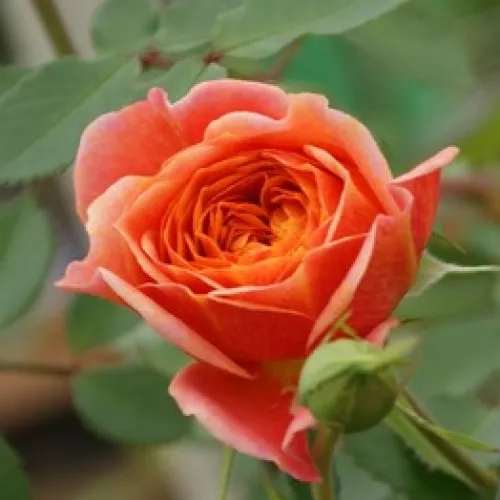
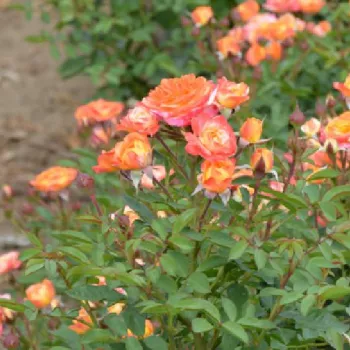
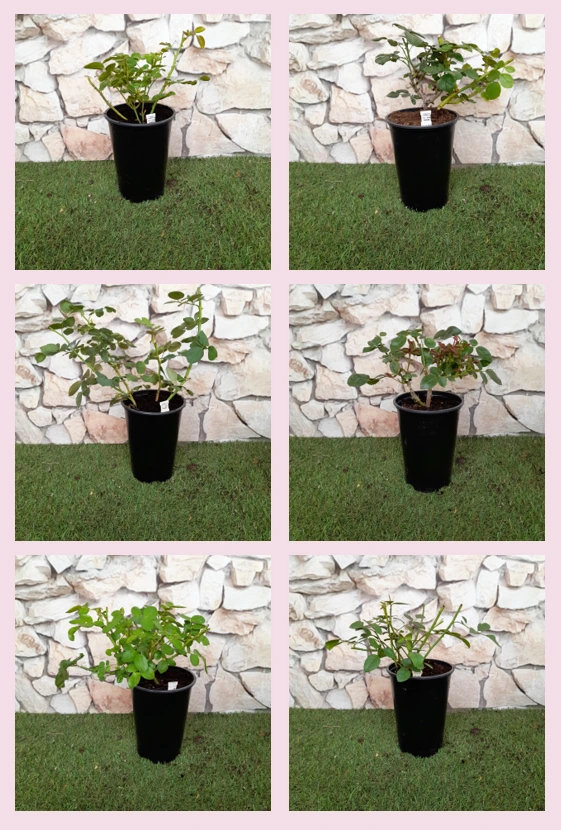
Imagine returning from a breezy beach walk to enjoy tea behind a living windbreak of roses: ELARA settles happily into coastal, shingle or clay-based gardens where careful drainage helps the roots anchor securely against blustery weather and salt‑laden air. As a compact floribunda, it fits effortlessly into family borders, beds and large pots, delivering waves of colour from early summer onwards with very little input from you beyond basic watering and the odd tidy‑up. Its own‑root form offers reassuring longevity, regrowing strongly if stems are damaged and keeping your planting scheme stable for years. In the first season it concentrates on roots, in the second on building shoots, and by the third it reaches full impact with dense clusters of coral‑orange blooms that soften to peach‑pink. Choose it for easy coastal‑style gardens where you want relaxed charm rather than high‑maintenance fuss.
Usage options
| Target area | Reasoning |
|---|
| Front of mixed border in a small family garden |
The compact, bushy habit and medium height make ELARA ideal near the front of beds where children play and paths are close, giving colour without dominating the space or needing intricate pruning, suiting beginners. |
| Coastal veranda in a large container |
In a 40–50 litre container with good compost and drainage, ELARA forms a sturdy, medium-height shrub that copes well with breezy coastal conditions while staying manageable on a veranda, ideal for a busy homeowner. |
| Low hedge along a shingle path |
Planted at hedge spacing, its bushy structure and repeat flowering create a soft, informal edging that visually anchors paths and seating areas without creating a dense screen, attractive for a family gardener. |
| Colour-focused bedding in front of evergreens |
The vivid coral-orange buds and peach-pink ageing tones show beautifully against dark foliage, providing a long, shifting season of colour in simple blocks or drifts, appealing to an urban gardener. |
| Relaxed cottage-style planting with perennials |
Cluster-flowered stems combine well with airy perennials like Knautia or asters, giving a continuous rose presence while the surrounding plants hide any spent blooms between occasional deadheading, perfect for a hobby gardener. |
| Part-shaded corner that still needs flowers |
Tolerance of partial shade means ELARA will flower reliably where many roses sulk, brightening east- or west-facing spots that only get part-day sun, reassuring for a small-garden owner. |
| Rain-exposed bed in a windy back garden |
Its bushy build and moderate disease resistance suit typical British back gardens, where thoughtful soil preparation gives firm anchoring and helps it ride out wet, breezy spells, convenient for a low-maintenance seeker. |
| Cutting patch for informal, short-stem bunches |
Medium-sized, very double clusters can be cut for small jugs and kitchen posies, giving you home-grown colour without needing a dedicated cutting garden, enjoyable for a romantic decorator. |
Styling ideas
- Shingle-terrace glow – Dot ELARA through a gravel or shingle terrace with sea kale and blue Festuca for a relaxed coastal feel – for coastal-style enthusiasts.
- Peachy-front hedge – Line a short path with ELARA at hedge spacing, underplanting with low lavender for fragrance and colour contrast – for family homes with busy pathways.
- Veranda-sunset pot – Plant one ELARA in a 50 litre container with trailing thyme spilling over the rim to enjoy long-season colour by your seating – for balcony and veranda users.
- Soft-coral matrix – Mass-plant ELARA in a small bed and weave between clumps of dwarf asters for a gentle late-summer tapestry – for low-fuss border planners.
- Cottage-duet corner – Combine ELARA with Echinacea and ornamental grasses in a sunny corner to blend formal roses with naturalistic movement – for informal cottage-garden lovers.
Technical cultivar profile
| Parameter | Data |
|---|
| Name and registration |
Floribunda bedding rose; registered as PANdocell, marketed as ELARA – orange bedding floribunda rose – Panozzo, shrub rose exhibition category within the Bedding rose collection. |
| Origin and breeding |
Bred by Bernard Panozzo in France; parentage unknown. Introduced and first distributed in 2019 by La Star de Doué, with EU registration the same year under the cultivar name PANdocell. |
| Growth and structural characteristics |
Bushy, moderately dense shrub 50–75 cm tall and 40–60 cm wide, with mid-green, matt foliage and moderate prickliness; flowers self-clean at a medium rate and may need occasional deadheading. |
| Flower morphology |
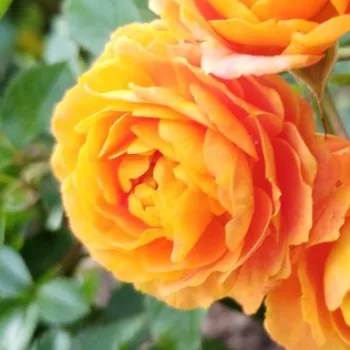
Medium, very double, cup-shaped clusters with over 40 petals per bloom; cluster-flowering floribunda habit, with remontant flowering that includes a generous second flush in suitable conditions. |
| Colour data and phenology |
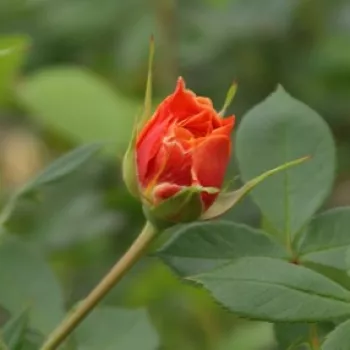
Vibrant coral-orange buds open to mandarin-orange and golden tones, then soften through salmon and peach-pink to pale peach-pink with creamy margins, creating a multitone effect as blooms age. |
| Fragrance and aroma |
Fragrance is very weak and barely noticeable, with a light rosy character only apparent at close range; chosen primarily as an ornamental bedding and landscape rose for colour rather than scent. |
| Hip characteristics |
Heavily double blooms mean hip production is usually low; occasionally forms small, spherical bright red hips 6–10 mm in diameter, adding discreet seasonal interest late in the year. |
| Resistance and winter hardiness |
Hardy to around –21 to –18 °C (RHS H7, Swedish zone 3, USDA 6b); shows resistance to powdery mildew and black spot, with moderate rust susceptibility and fair heat tolerance needing water in drought. |
| Horticultural recommendations |
Suited to beds, edging, low hedges, containers and cutting; plant 35–75 cm apart depending on use, in well-drained soil, with moderate maintenance and occasional pest and disease monitoring. |
ELARA – orange bedding floribunda rose – PANdocell offers compact coastal-friendly growth, long-season colour and durable own-root performance; consider it if you want dependable structure and gentle seaside warmth in your garden.