ELODIE GOSSUIN – pink nostalgic rose – Massad
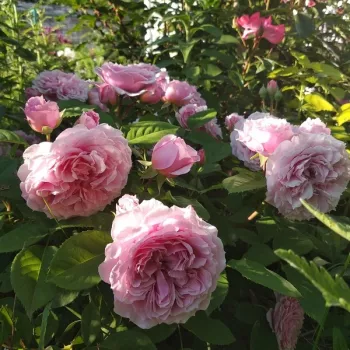
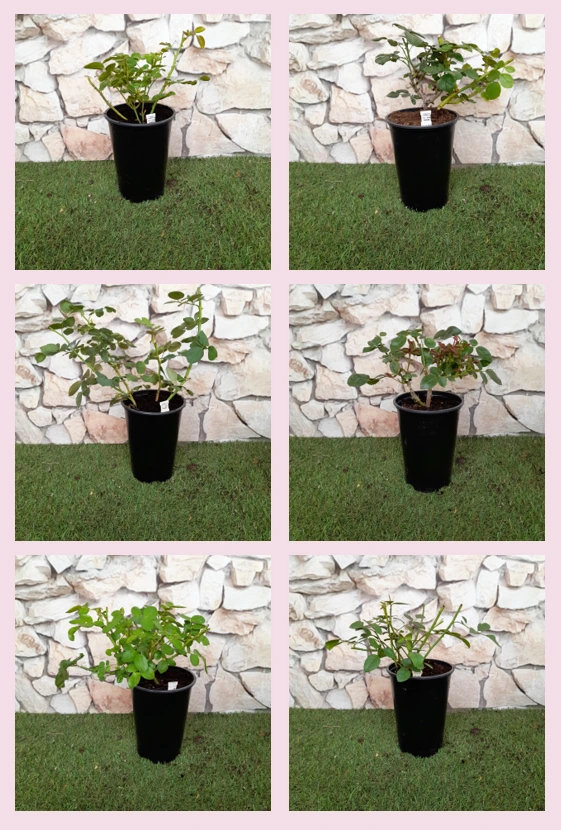
Imagine returning from a breezy walk by the sea, settling with tea behind a gently sheltering screen of roses: ELODIE GOSSUIN offers easy-care charm and coastal resilience in a compact shrub ideal for family gardens. Its romantic, many-petalled blooms and fragrance are carried on upright, well-branched growth that stands steady in brisk breezes, helping your planting feel securely anchored even in exposed, shingle-style borders. Planted in a 40–50 litre container on a veranda or in open ground with sensible drainage, this own-root rose builds longevity and stability, regenerating from the base and keeping its ornamental value season after season. Year by year it settles in – first focusing on roots, then building shoots, and by the third summer delivering its full nostalgic flowering display – all with reassuringly low-maintenance reliability for busy beginners.
Usage options
| Target area | Reasoning |
|---|
| Small coastal family garden bed |
The compact, upright habit and dense foliage make it easy to tuck into modest beds where space is limited but you still want a traditional, full-petalled look; good disease resistance keeps upkeep light for busy coastal homeowners. |
| 40–50 litre veranda container |
In a large pot it forms a striking, scented focal point without overwhelming small terraces; own-root vigour helps it fill the container steadily, with simple feeding and watering all most people will ever need for urban veranda gardeners. |
| Low-maintenance nostalgic feature |
Very double, romantic flowers repeat reliably through the season, so a single shrub can carry a lot of visual weight in a front garden, staying attractive with only occasional deadheading for time-pressed rose lovers. |
| Heat-exposed, sheltered corner |
This variety tolerates heat and moderate drought, so once established it copes well with sun-baked, sheltered niches near walls or paving, provided drainage is sensible and watering is regular for South and West Country gardeners. |
| Wind-filtering rose line |
The upright, well-branched structure helps create a loose visual screen that softens gusts and gives a sense of enclosure, particularly useful where you want a calm seating nook after beach walks for seaside terrace users. |
| Clay soil border with improved drainage |
With careful preparation – loosening the subsoil and adding grit or organic matter – this rose settles into heavier ground and, once rooted, stands firm and reliable even in showery, blustery weather for clay-garden homeowners. |
| Cutting patch for scented blooms |
Long, upright stems with clusters of large, very double, strongly scented flowers are excellent for nostalgic-style arrangements, giving you indulgent, home-grown bunches to enjoy indoors across the summer for home floristry enthusiasts. |
| Long-term, own-root specimen |
Planted with room to grow, it matures into a durable shrub that can be rejuvenated from the base if ever pruned hard, allowing you to plan for many seasons of colour from a single planting for future-minded gardeners. |
Styling ideas
- Romantic-Veranda – Place one rose in a 50 litre clay pot with soft grey Carex and a foldable bistro set to evoke a sheltered, rose-scented tea corner – ideal for balcony and veranda owners.
- Shingle-Romance – Combine with sea-hued Carex flacca and low Sedum spurium in a free-draining, gravel-mulched bed for a soft coastal look – suited to seaside cottage gardens.
- Pastel-Drift – Underplant with Gypsophila repens and blue Festuca for a cloud of fine texture beneath the deep pink blooms – perfect for lovers of airy, feminine planting.
- Front-Door-Welcome – Flank the entrance path with two shrubs in generous containers to frame the doorway with colour and scent – great for homeowners wanting instant kerb appeal.
- Cutting-Nook – Tuck three plants into a sunny corner bed near the back door, paired with lavender, to create a handy source of perfumed stems – appealing to home bouquet makers.
Technical cultivar profile
| Parameter | Data |
|---|
| Name and registration |
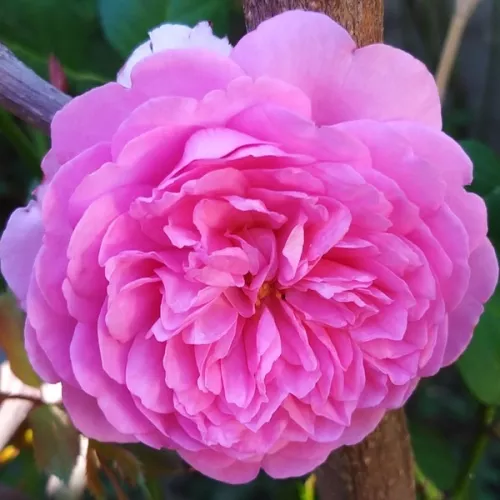
Elodie Gossuin Générosa MASelgo is a Romantica shrub nostalgia rose, commercial name ELODIE GOSSUIN – pink nostalgic rose – Massad; registered cultivar name MASelgo, bred for the Générosa collection. |
| Origin and breeding |
Bred by Dominique Massad for Roseraies Guillot in France before 2007, introduced in 2008; parentage is unknown, selected for nostalgic blooms and strong scent in the Romantic rose group. |
| Growth and structural characteristics |
Upright shrub 70–95 cm high and 50–70 cm wide, with dense, slightly glossy olive-green foliage and moderate prickles; flowers need deadheading as most spent blooms remain on the plant. |
| Flower morphology |
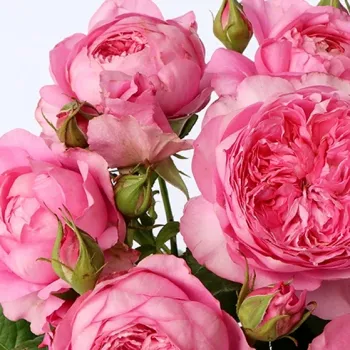
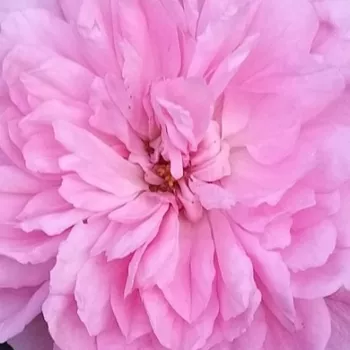
Large, very double rosette blooms with over 40 petals, usually carried in corymbs of three to five per stem; remontant, with an abundant second flush and good performance for cutting and beds. |
| Colour data and phenology |
Rich, warm deep pink flowers; buds dark pink with a slight purple edge, opening vivid then fading to softer pastel tones, with paler centres and deeper outer petals as blooms mature over time. |
| Fragrance and aroma |
Strong, distinctive perfume with a fresh, fruity character; primarily ornamental, as the very double form conceals stamens and offers limited access for pollinating insects compared with simpler roses. |
| Hip characteristics |
Hip set is usually light due to very double flowers; when present, produces small orange-red ellipsoid hips about 7–9 mm in diameter, contributing modest late-season interest without seeding issues. |
| Resistance and winter hardiness |
Good heat and moderate drought tolerance once established; hardy to around −21 to −18 °C (RHS H7, USDA 6b) with resistant performance against powdery mildew, black spot and rust under normal care. |
| Horticultural recommendations |
Best in a sunny position with well-prepared soil; suitable for beds, containers and cutting. Allow spacing of 45–90 cm depending on use, and maintain with occasional deadheading and light pruning. |
ELODIE GOSSUIN Générosa MASelgo offers strong fragrance, repeat flowering and heat-tolerant reliability in a long-lived own-root form, making it a thoughtful choice for relaxed, nostalgic gardens.