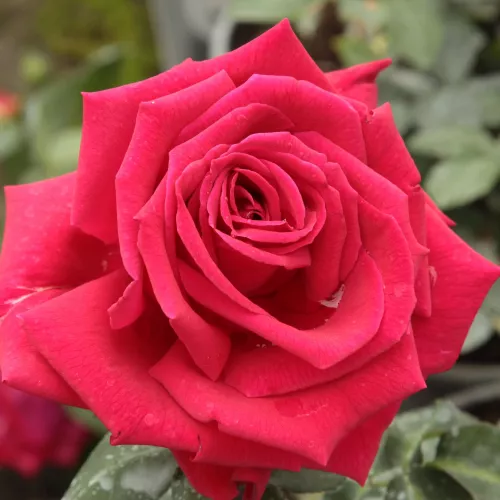
ENA HARKNESS™ – scarlet hybrid tea rose
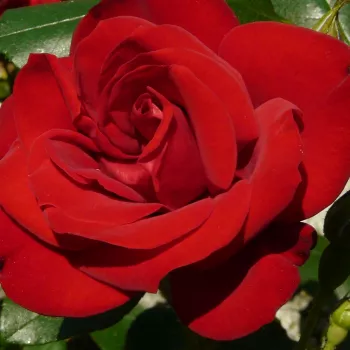
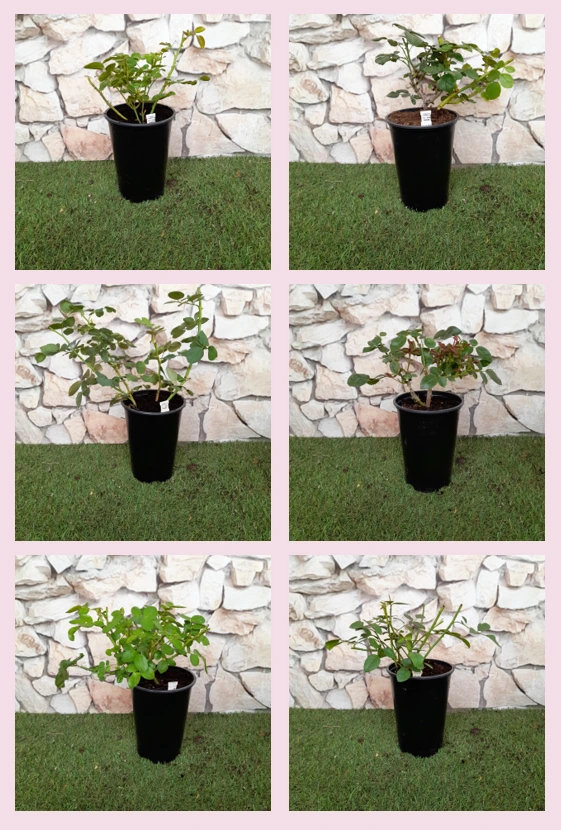
Imagine returning from the seaside, salt still on your skin, settling into a sheltered corner with a pot of tea as the wind drops and the crimson blooms of Ena Harkness wrap the air in a fragrance that feels both nostalgic and reassuring. This classic hybrid tea rose earns its place in a coastal-style family garden with reliable flowering, producing velvety, deep scarlet, exhibition-quality blooms that look as refined in a vase as they do against shingle and sea-kale. Grown on its own roots, it is designed for long-term stability, quietly regenerating after winter and building a stronger framework each season, while you enjoy a garden that copes well with brisk breezes and careful water management in heavier soils. In a generously sized 40–50 litre container or border, Ena Harkness offers an elegant silhouette, an extended cutting season and, over the course of three years, a natural progression from root-building, to shoot-strengthening, to full, enduring performance and garden-filling character.
Usage options
| Target area | Reasoning |
|---|
| Small coastal veranda in containers (40–50 litres and above) |
Ena Harkness is well suited to life in a large pot, where its upright habit and moderate height stay in scale on a veranda. A 40–50 litre container offers enough soil depth for own-root plants to anchor securely and ride out breezier coastal conditions without fuss. With routine watering and occasional deadheading, you gain a long-flowering, scented focal point for chairs and a small table, ideal for relaxed tea-drinkers and coastal-style beginners who value easy success for the veranda. |
| Cut-flower corner in a family back garden |
This hybrid tea is bred for exhibition-quality blooms, making it a natural choice for a small cutting patch near the house. The long, straight stems and full, velvety flowers hold well in the vase, so even a few bushes provide regular bunches from late spring onwards. Its remontant habit means more flowers after each flush with simple feeding and deadheading, suiting home florists and hobby gardeners who want reliable stems for the table. |
| Feature rose in a sheltered coastal-style seating area |
Positioned close to a bench or outdoor sofa, Ena Harkness shows off its very strong, classic rose fragrance, especially on still evenings after a breezy day. The moderate height allows it to sit comfortably behind low gravel or shingle planting without blocking light. In such spots, it benefits from careful watering and soil preparation that balance heavier ground and protect against waterlogging in winter, appealing to those creating intimate, wind-aware spaces for relaxation. |
| Mixed border with perennials in average-sized family gardens |
Used in ones or threes among perennials, this rose brings repeat crimson highlights from early summer onwards. Its dark green, slightly glossy foliage provides depth behind lighter grasses and flowering companions. With moderate disease resistance, it fits into low-chemical borders where simple spacing, air circulation and a watchful eye are enough to maintain health, suiting environmentally conscious homeowners who still want strong colour and impact. |
| Classic hybrid tea rose collection or focal specimen |
As a mid-20th-century introduction with notable awards, Ena Harkness earns its place among traditional hybrid teas. Grown as a single, well-formed bush, it shows its goblet-shaped blooms clearly, ideal for enthusiasts who value form and pedigree. The own-root format supports longevity, so a carefully prepared planting hole is an investment in a specimen that matures gracefully, attracting collectors and rose lovers who appreciate heritage and continuity. |
| Informal row or short hedge along a path |
Planted at 50–60 cm intervals, Ena Harkness forms a loose line of upright bushes that frame a path without becoming overpowering. The consistent scarlet colour unifies the space, while the fragrance greets you as you pass. Simple annual pruning keeps the hedge shape clean and encourages new flowering shoots, making this scheme accessible for busy families who like structure but prefer straightforward, once-a-year maintenance. |
| Shingle or gravel planting with salt-tolerant companions |
In a coastal-style shingle bed, this rose pairs well with drought-tolerant companions, provided its own planting pocket is improved with compost and moisture-retentive yet free-draining soil. The rose appreciates thoughtful watering during extended dry spells, while gravel mulches help keep roots evenly moist and stabilise the plant in windy spells, which works well for design-conscious gardeners seeking a seaside mood with reliable structure. |
| Season-long scented accent near doors and windows |
Planted where breeze can carry scent indoors, Ena Harkness rewards regular deadheading with abundant repeat flowering through the main season. Its remontant habit means that, after the first flush, new buds continue to form with basic feeding and watering, extending the enjoyment without complex routines. This suits newcomers and time-poor owners who would still like a dependable, garden-filling rose fragrance. |
Styling ideas
- Veranda-Nook – Place Ena Harkness in a 50–60 litre pot by a sheltered coastal-style seating area, pairing with potted sea kale or blue fescue – perfect for veranda owners wanting maximum scent in minimum space.
- Crimson-Drift – In a shingle bed, underplant with Festuca and sea kale, allowing the scarlet blooms to rise from a silver–blue base – ideal for coastal-style enthusiasts aiming for a refined yet easy-care look.
- Tea-and-Roses – Create a small cut-flower square with three Ena Harkness roses edged by low lavender for fragrance layers – suited to hobby gardeners who enjoy bringing garden stems indoors.
- Pathway-Embrace – Line a main path with a loose row of bushes, backed by airy Calamintha and Knautia for soft movement – good for families wanting gentle structure that still feels informal.
- Heritage-Spot – Give one specimen pride of place against a simple gravel mulch with a single Caryopteris as a blue accent – appealing to rose collectors who appreciate classic forms and stories.
Technical cultivar profile
| Parameter | Data |
|---|
| Name and registration |
Ena Harkness is an unregistered hybrid tea rose cultivar, sold as Ena Harkness™ Hybrid tea rose Ena Harkness, with the American Rose Society exhibition name recognised as Ena Harkness. |
| Origin and breeding |
Bred in the United Kingdom by Albert Norman from ‘Southport’ × ‘Crimson Glory’, introduced in 1946 by R. Harkness & Co. Ltd.; a classic post-war hybrid tea of historical and collectors’ interest. |
| Awards and recognition |
Recognised for quality with a Royal National Rose Society Gold Medal in 1945 and the Portland Gold Medal in 1955, confirming its long-standing merit as a garden and exhibition hybrid tea. |
| Growth and structural characteristics |
Upright hybrid tea, approximately 70–100 cm tall and 50–70 cm wide, with moderately dense, dark green, slightly glossy foliage and densely thorned stems, forming a compact yet substantial bush. |
| Flower morphology |
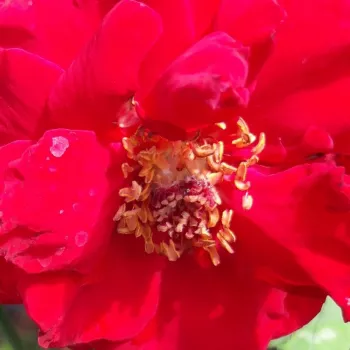
Medium-sized double flowers with 26–39 petals, produced mainly singly on stems, goblet to cupped in form; remontant, with an abundant second flush when deadheaded and fed, suitable for cutting. |
| Colour data and phenology |
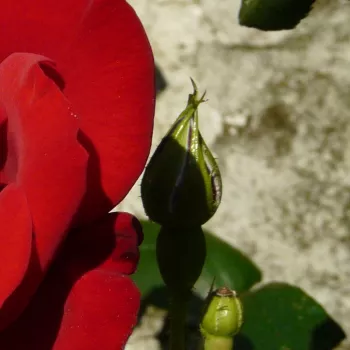
Velvety scarlet blooms with a subtle black undertone, ARS code dr, RHS 53A outer and 46A inner; buds open deep burgundy, lighten slightly in strong sun, and remain richly crimson in cooler conditions. |
| Fragrance and aroma |
Possesses a very strong, classic rose fragrance that easily fills the surrounding garden area, especially effective near seating or paths; primarily ornamental, with dense petals limiting pollinator access. |
| Hip characteristics |
Hip set is generally low due to the full double form; when present, it bears small, red, egg-shaped hips around 12–16 mm in diameter, adding occasional seasonal interest late in the year. |
| Resistance and winter hardiness |
Hardy to approximately –21 to –18 °C (RHS H7, USDA 6b, Swedish zone 3) with moderate resistance to black spot, powdery mildew and rust; benefits from good air circulation and sound hygiene. |
| Horticultural recommendations |
Prefers a sunny, well-prepared site with reliable moisture and drainage; plant 50–60 cm apart in rows or 90 cm as a specimen, prune annually, and water during prolonged drought for best repeat flowering. |
Ena Harkness brings velvety scarlet blooms, powerful fragrance and reliable repeat flowering on a long-lived own-root framework; an excellent choice if you seek a classic, enduring rose to enjoy for years.