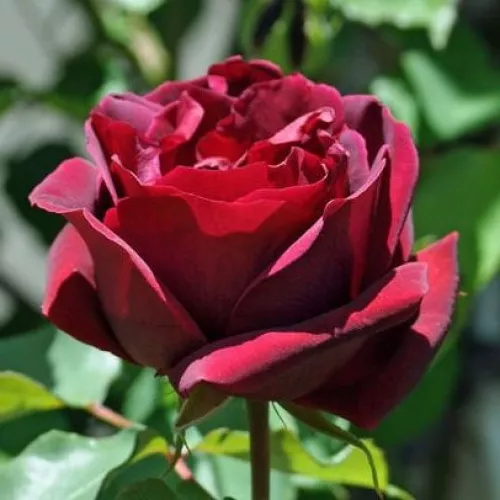
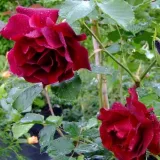
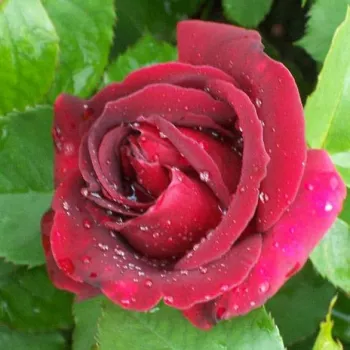
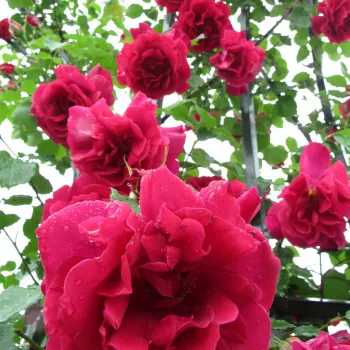
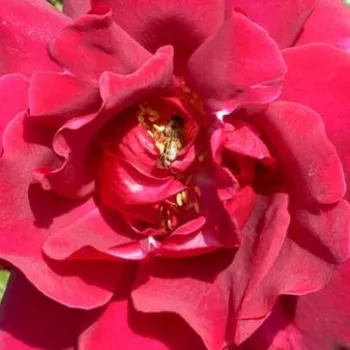
ÉTOILE DE HOLLANDE – crimson-red climbing rose - Leenders
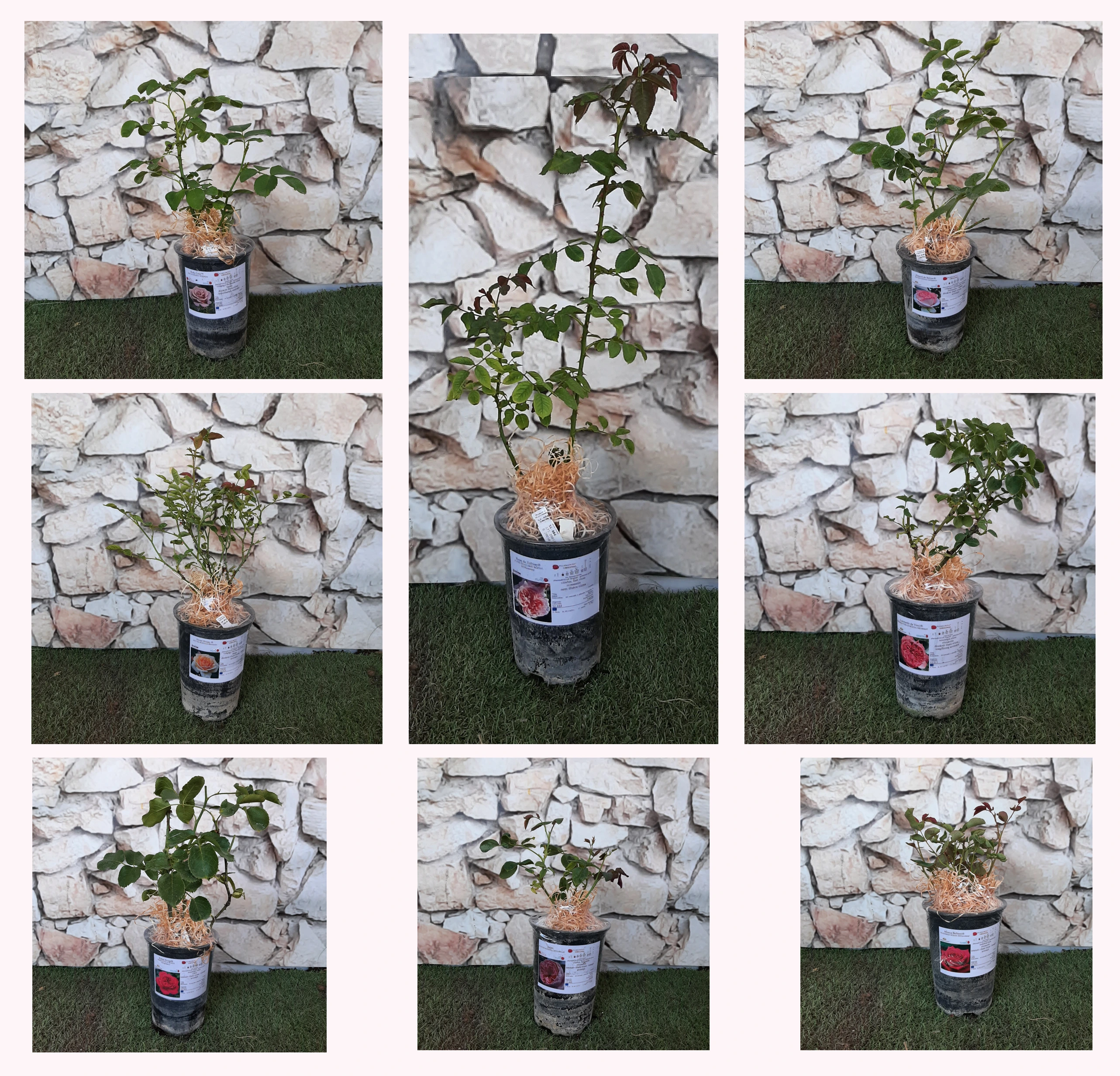
Imagine returning from the Cornish shore, salt still on your skin, to sit with a mug of tea beside the richly scented blooms of ÉTOILE DE HOLLANDE, their velvety crimson clusters swaying gently in the breeze while the foliage forms a natural screen against coastal gusts. This classic climbing rose offers luxuriant fragrance, generous repeat flowering and a mature, anchoring framework that suits fences, pergolas and verandas where space must work hard yet stay inviting. In its pharmaROSA® ORIGINAL 2‑litre own‑root form, it settles reliably, building roots in year one, strong shoots in year two and full ornamental value by year three without complex pruning routines or specialist care. With steady hardiness, own‑root resilience and practical training options, it is a distinguished choice for busy gardeners who still want an evocative, seaside-inspired retreat.
Usage options
| Target area | Reasoning |
|---|
| Coastal veranda windbreak |
Trained along a veranda rail or screen, this climber creates a scented, semi-private backdrop that softens salt-laden breezes while remaining structured and easy to manage in a compact space for coastal-style lovers |
| Small family garden fence line |
Along a typical suburban fence, its upright habit and medium spread give rich colour and scent without overwhelming neighbouring plants, providing dependable cover on a modest footprint for busy family gardeners |
| Feature arch or arbour by a seating area |
Over an arch, the very strong perfume and large, velvety flowers concentrate around head height, creating a classic “rose walk” feeling with relatively simple tying-in and seasonal deadheading for romantic beginners |
| South-facing house wall in coastal regions |
Against a sunny, sheltered wall, the plant anchors securely and copes well with exposed, breezy positions near the sea, balancing good flowering with manageable growth in changeable UK weather for seaside homeowners |
| Large container on terrace or balcony (40–60 litres) |
In a generously sized, well-drained container, its upright growth can be trained onto a trellis, giving height, fragrance and summer shade without needing a large border, ideal where ground planting is limited for urban veranda owners |
| Low-maintenance focal point with companion planting |
Used as a vertical accent among drought-tolerant companions such as sea kale, Festuca or Lavandula, it provides structure and seasonal drama while own-root growth supports long-term, stable ornamental value for time-poor hobbyists |
| Long-term structural rose in family plots |
As an own-root climber, it builds a durable framework that can regenerate if cut back hard, gradually improving from year one roots to year two framework and year three full display for long-view garden planners |
| Cut-flower corner by the back gate |
Planted near an easy-access path, the large, cup-shaped blooms on strong stems can be cut for the house without leaving gaps, thanks to steady repeat flowering over the season for home flower arrangers |
Styling ideas
- Harbourside-veranda – Train along a simple timber balustrade with sea kale and blue Festuca in troughs below for a salty, relaxed look – ideal for coastal-style lovers seeking low-fuss romance
- Classic-arch – Grow over a narrow metal arch with lavender edging to frame the path between house and garden – perfect for beginners wanting a traditional, scented entrance
- Crimson-screen – Cover a functional fence behind a children’s play lawn, pairing with tough groundcovers to keep maintenance simple – suited to busy family gardens needing soft boundaries
- Balcony-column – In a 50–60 litre pot with a slim obelisk, it gives vertical drama, shade and perfume in tight spaces – for urban veranda owners who want maximum effect from one plant
- Evening-nook – Place by a small seating corner with Heuchera and dwarf Deutzia for layered foliage and scent on summer nights – appealing to hobby gardeners who unwind outdoors after work
Technical cultivar profile
| Parameter | Data |
|---|
| Name and registration |
ÉTOILE DE HOLLANDE – crimson-red climbing rose - Leenders; Climber, large-flowered; trade name Étoile de Hollande Climbing rose Leenders; ARS exhibition name Climbing Étoile de Hollande. |
| Origin and breeding |
Bred by Mathias Peter Hubert Leenders, M Leenders & Co, Steyl–Tegelen, Netherlands; introduced 1931; parentage ‘Étoile de Hollande’ (1919) × ‘General MacArthur’ × ‘Hadley’. |
| Awards and recognition |
Historic prestige variety with Barcelona Certificate of Merit (1932) and Royal Horticultural Society Award of Garden Merit, confirming reliable performance in typical UK garden conditions. |
| Growth and structural characteristics |
Upright climbing habit to around 90–160 cm in early years, spreading 70–130 cm; medium-density dark green foliage; moderately thorny canes; needs training and light pruning to maintain form. |
| Flower morphology |
Large, double, cup-shaped blooms with 26–39 petals; solitary on stems, ideal for cutting; remontant with a strong second flush; XL flowers around 3.5 inches across in good conditions. |
| Colour data and phenology |
Deep, velvety purplish-crimson with darker edges; buds open near-black, then rich crimson, later muting slightly in strong sun; colour deepens again in cooler weather, giving nuanced seasonal tones. |
| Fragrance and aroma |
Very strong, classic old-rose perfume, noticeable from a distance in still air; primarily ornamental, with heavily double flowers that limit stamen access and therefore attract relatively few pollinators. |
| Hip characteristics |
Forms small, ovoid hips, about 10–16 mm, in orange-red shades when not deadheaded; hips are incidental, as plants are usually maintained for continuous flowering and decorative blooms. |
| Resistance and winter hardiness |
Hardy to approximately −32 to −29 °C (RHS H7; Swedish Zone 5; USDA 4b); good resistance to powdery mildew and black spot, moderate rust susceptibility; tolerates heat if watered in dry spells. |
| Horticultural recommendations |
Best in full sun with well-drained soil; plant 90–150 cm apart depending on use; train on fences, walls or pergolas; remove spent blooms and thin older canes periodically to support repeat flowering. |
ÉTOILE DE HOLLANDE – crimson-red climbing rose - Leenders offers sumptuous fragrance, repeat flowering and long-lived own-root reliability, making it a thoughtful choice for those shaping a serene, seaside-inspired garden refuge.