ÉTUDE – deep pink climbing rose - Gregory
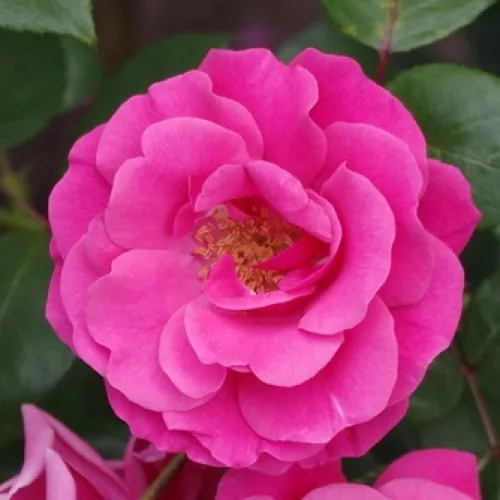
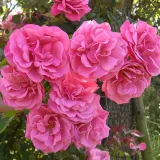
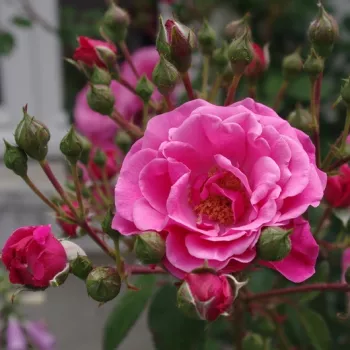
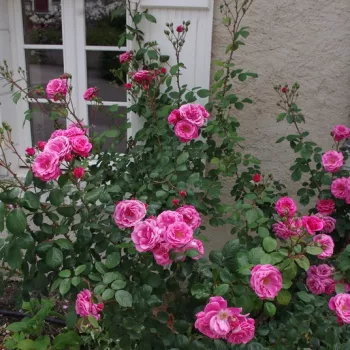
Étude brings a refreshing sense of coastal calm to compact British gardens, creating a soft, wind-buffering screen that feels at home where breezes carry a hint of sea air and careful drainage keeps roots comfortable. Its medium-sized, raspberry-pink, cup-shaped blooms appear in elegant clusters against dark green foliage, offering a long, remontant season so you can enjoy colour from early summer well into autumn with remarkably little effort. This own-root climber establishes steadily, giving you a reliable, long-lived framework that can regenerate from its base and maintain stable ornamental value over many years, ideal when you prefer durable structure to constant replanting. In its first seasons it concentrates on root and framework, then builds flowering shoots, before reaching full garden presence by about the third year, so you can plan a gentle, low-stress rhythm of growth around your veranda or family seating area. Its strong, sweet raspberry fragrance drifts beautifully around patios and doors, while the balanced habit makes it easy to train over arches, fences or pergolas with minimal fuss. On verandas or sheltered coastal plots, a single Étude in a generous 40–50 litre container can transform a plain wall into a fragrant, flower-laden backdrop where you unwind, rinse off the day’s salt spray and enjoy simple outdoor pleasure. With basic deadheading, occasional pruning and thoughtful siting away from the harshest exposure, you gain an appealing vertical accent that feels both welcoming and quietly refined.
Usage options
| Target area |
Reasoning |
| Small coastal veranda wall |
Étude’s moderate height and relatively contained spread suit compact veranda walls where you want privacy without overwhelming the space; one plant in a 40–50 litre container gives a manageable, fragrant backdrop for relaxed coastal-style seating – ideal for beginners. |
| Family garden fence line |
This climber forms a structured, long-lived framework along fences, giving seasonal flowers and scent without needing frequent replacement, so your investment in supports and training pays off over many years – reassuring for homeowners. |
| Pergola or arch near seating |
Its cup-shaped, deep pink scented blooms on clusters create a romantic canopy over benches or dining sets, with fragrance at head height enhancing everyday outdoor meals and evening tea – appealing to garden-lovers. |
| Feature rose in a large container |
In a 40–50 litre pot with good drainage, Étude offers vertical colour where borders are limited, such as paved patios or rented spaces, while the own-root form copes well with gradual repotting and careful watering – helpful for urban-gardeners. |
| Sheltered coastal corner planting |
Placed where buildings or hedges gently filter prevailing winds, this rose responds well to thoughtful watering and soil preparation, providing reliable structure and colour even in exposed regions when roots enjoy secure anchoring and managed moisture – practical for coastal-owners. |
| Part-shaded house wall |
Étude tolerates partial shade, so an east- or west-facing wall still carries good flowering, allowing you to green up otherwise overlooked aspects without demanding full-sun borders or complex planting schemes – convenient for busy-families. |
| Cut-flower corner in mixed border |
Its medium, double blooms with strong, sweet raspberry fragrance make charming cut flowers; training a few main stems along simple supports gives a steady supply of stems for the house without sacrificing garden display – enjoyable for home-florists. |
| Wildlife-friendly yet ornamental strip |
If deadheading is sometimes skipped, the plant can form small orange-red hips, adding autumn interest; the moderately open blooms also offer some access for insects, so a tidy look still allows gentle biodiversity – reassuring for nature-conscious. |
Styling ideas
- Cornish veranda screen – Train Étude along understated timber trellis in a 50 litre container, pairing with sea kale and blue Festuca for a breezy, shingle-garden feel – for coastal-style enthusiasts.
- Romantic archway – Let its raspberry-pink clusters soften a metal arch, underplant with lavender and Gypsophila ‘Festival Pink Lady’ for scented summer walks – for cottage-garden admirers.
- Family fence makeover – Space plants along a plain boundary, weaving stems horizontally for fuller flowering and mixing in lamb’s ear as a tactile edging – for practical family gardeners.
- Patio fragrance corner – Position a single Étude by the back door in a large pot, adding Crocosmia ‘Lucifer’ in front for fiery contrast and late-summer drama – for busy homeowners.
- Soft-structured pergola – Use Étude on alternate posts with airy grasses beneath, creating a light, sheltered frame that matures steadily without over-dominating – for low-maintenance planners.
Technical cultivar profile
| Property |
Data |
| Name and registration |
Étude is a large-flowered climbing rose from the Gregory collection, marketed as a climbing rose for garden use and exhibitions, with Étude recognised as its American Rose Society exhibition name. |
| Origin and breeding |
Bred in 1965 in the United Kingdom by Charles Walter Gregory from ‘Spectacular’ × ‘New Dawn’, introduced from 1973 in Britain and Australia by C. Gregory & Son Ltd. and Roy H. Rumsey Pty. Ltd. |
| Growth and structural characteristics |
A medium-vigorous climber reaching about 180–260 cm in height and 120–200 cm in spread, with moderately dense, dark green, slightly glossy foliage and a reasonably thorny framework suited to training. |
| Flower morphology |
Produces medium-sized, double, cup-shaped flowers with around 26–39 petals, borne in clusters, remontant through the season though the second flush is less abundant; weak self-cleaning means deadheading is advisable. |
| Colour data and phenology |
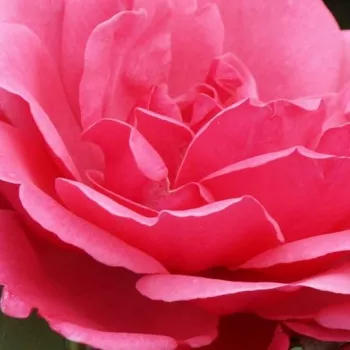
Flowers open a deep raspberry-pink with mauve-pink tones (RHS 57C/57B), showing subtle silvery edges; colour fades slightly warmer but stays stable, with good retention and a decorative display from bud to fall. |
| Fragrance and aroma |
Noted for strong, long-lasting scent with a sweet, raspberry-like character; primarily ornamental but its partially open blooms and accessible stamens can attract a modest number of pollinating insects while in flower. |
| Hip characteristics |
When spent blooms are left, it can develop moderate numbers of small, spherical, orange-red hips around 10–14 mm across, providing additional late-season colour and modest wildlife value in autumn. |
| Resistance and winter hardiness |
Hardy to about −21 to −18 °C (RHS H7, USDA 6b, Swedish zone 3) but shows moderate susceptibility to mildew and black spot and high rust susceptibility, so benefits from regular hygiene and protection. |
| Horticultural recommendations |
Best trained on walls, fences, arches or pergolas at 140–250 cm spacing, planted 150 cm apart in masses; prefers shelter, good watering in heat and routine disease control, with deadheading to sustain flowering. |
ÉTUDE – deep pink climbing rose - Gregory offers scented clusters, steady structural growth and long-lived own-root reliability for walls or verandas, making it a thoughtful choice when planning a lasting, fragrant garden feature.