EUFEMIA – purple bedding floribunda rose – Vissers
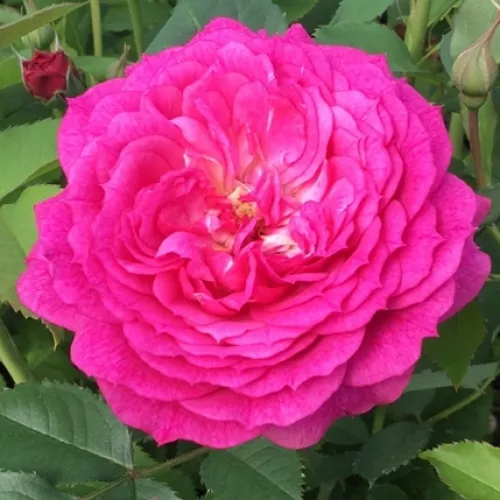
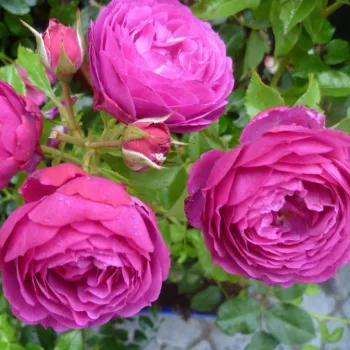
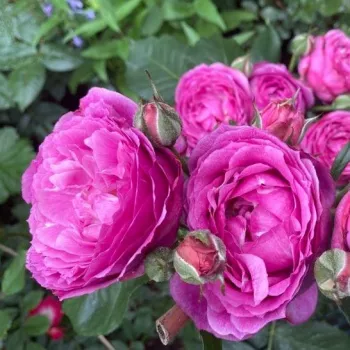
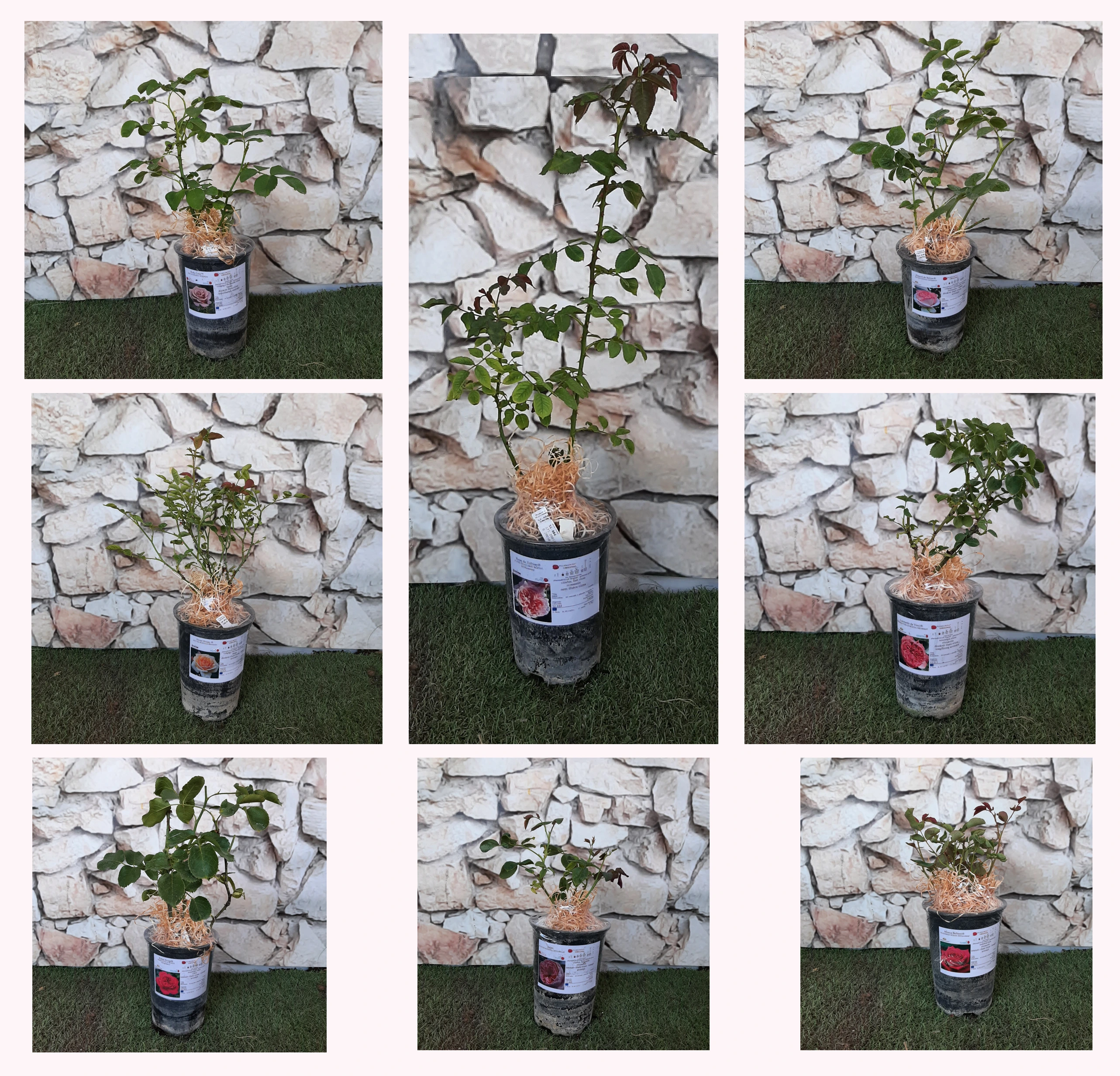
Imagine late afternoon light on a Cornish veranda, salt in the air and a sheltered nook where you can sit with tea while waves roll beyond the garden – this is where EUFEMIA feels at home. Its compact, bushy habit creates a natural low windbreak, quietly helping the border stand firm in blustery coastal weather and reducing fuss in exposed family plots. Clusters of richly purple, very double blooms carry a surprisingly strong classic scent, giving you colour and fragrance for months with minimal effort. In a roomy pot or small shingle bed it settles in steadily: first putting down roots, then building sturdy shoots, before reaching full garden presence by its third season. As an own-root plant it offers reassuring longevity, reliable regrowth after harsh winters and a stable shape that suits smaller coastal-style gardens where you want enduring charm rather than constant work.
Usage options
| Target area |
Reasoning |
| Small coastal family garden border |
Compact, bushy growth and 60–90 cm height make EUFEMIA ideal for low shelter and structure in modest front or back gardens close to the sea, where it adds colour without dominating neighbouring plants for beginners. |
| Feature rose in a large container |
In a 40–50 litre pot on a veranda or patio, its floribunda clusters and dark glossy foliage create a long-season focal point; own-root resilience helps it cope with container stress, suiting busy homeowners. |
| Fragrant seating-area windbreak |
Planted in a short row at 35–45 cm intervals, the dense framework and bushy habit help diffuse salty, windy gusts while strongly scented purple blooms perfume your tea corner, reassuring coastal-style gardeners. |
| Easy-care mixed shingle bed |
Good tolerance of heat and moderate drought lets EUFEMIA sit comfortably among gravel, shingle and drought-tolerant companions, needing only sensible drainage and occasional watering, ideal for low-maintenance plots. |
| Long-season flower bed highlight |
Good remontancy with abundant second flowering means repeated waves of purple clusters through summer; own-root vigour underpins many years of consistent display, rewarding patient hobbyists. |
| Urban terrace or balcony display |
Its neat spread of 40–60 cm and modest height suit confined spaces; one or two plants in generous containers supply colour and scent without overwhelming the setting, well matched to time-poor urban residents. |
| Low hedge along a path |
At 35 cm spacing, plants knit into a low, colourful boundary; the dense, thorny framework deters shortcutting while the massed blooms soften the line, practical for family-garden paths. |
| Long-lived structural rose in clay soils |
Once established, its own-root system anchors well and copes with heavier garden soils, provided surface drainage is improved, giving a dependable, long-term feature for typical British gardens. |
Styling ideas
- Veranda Nook – combine EUFEMIA in a 50-litre pot with low Festuca and sea kale in nearby tubs to echo a mauve-and-silver shoreline palette – for coastal veranda owners who like relaxed evening seating.
- Shingle Ribbon – thread EUFEMIA through a narrow shingle bed with Achillea and dwarf Lavandula to contrast rich purple blooms against airy, drought-tolerant textures – for gardeners transforming narrow side passages.
- Fragrant Corner – plant three EUFEMIA in a triangle near a bench to build a scented pocket protected from wind, with a few Delphinium spikes behind – for those who want a simple, perfumed retreat.
- Family Front – line a front path with EUFEMIA at hedge spacing, underplanting with low grasses for movement while keeping maintenance limited – for households seeking neat kerb appeal without complex care.
- Urban Jewel – use a single EUFEMIA as a “mini shrub” in a large container, underplanted with trailing thyme to soften the rim and reduce weeding – for balcony and terrace owners wanting one reliable statement rose.
Technical cultivar profile
| Parameter |
Data |
| Name and registration |
Floribunda bed rose registered as VISyodoc, marketed as EUFEMIA – purple bedding floribunda rose – Vissers; shrub-type floribunda suitable for both bedding schemes and individual garden use. |
| Origin and breeding |
Bred by Martin Vissers from Wild Blue Yonder × (International Herald Tribune × Marie-Louise Velge); developed in the Netherlands and first introduced in 2020, initially via specialist distributors. |
| Growth and structural characteristics |
Compact, bushy floribunda reaching about 60–90 cm high and 40–60 cm wide; dense dark green, slightly glossy foliage, moderately thorny stems, forming a low, rounded shrub for foreground planting. |
| Flower morphology |
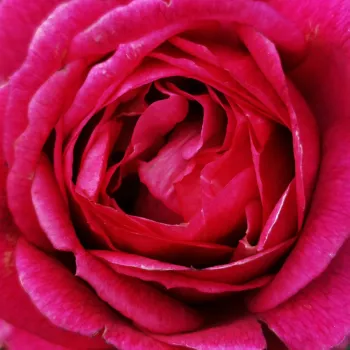
Very double, cup-shaped, medium-sized blooms with more than 40 petals, borne in clusters of three to five per stem; good remontancy provides an abundant second flush under normal garden conditions. |
| Colour data and phenology |
Deep purple-violet blooms, ARS mau; RHS 77A outer and 71A inner petals; opens vivid purple-lilac, then fades to mauve-lilac with paler petal edges just before shattering, giving layered, changing tones. |
| Fragrance and aroma |
Very strong classic rose fragrance, clearly noticeable from a distance in warm, still weather; primarily ornamental, with densely filled flowers that largely conceal stamens and offer limited pollinator access. |
| Hip characteristics |
Hip set is generally low due to the very double flowers; when present, forms small, spherical bright red hips around 6–10 mm in diameter, adding occasional late-season interest without significant seeding. |
| Resistance and winter hardiness |
Hardy to approximately −21 to −18 °C (RHS H7; USDA 6b; Swedish zone 3); medium resistance to black spot, mildew and rust, with good tolerance of summer heat and moderate drought in typical gardens. |
| Horticultural recommendations |
Performs best in full sun with well-drained soil; suitable for beds, parks, urban plantings and solitary use; plant 35–45 cm apart depending on purpose and provide routine feeding plus timely plant protection. |
EUFEMIA – purple bedding floribunda rose – Vissers offers compact structure, strong fragrance and long-season flowering on a durable own-root framework; consider it when you want lasting character from a single, manageable rose.