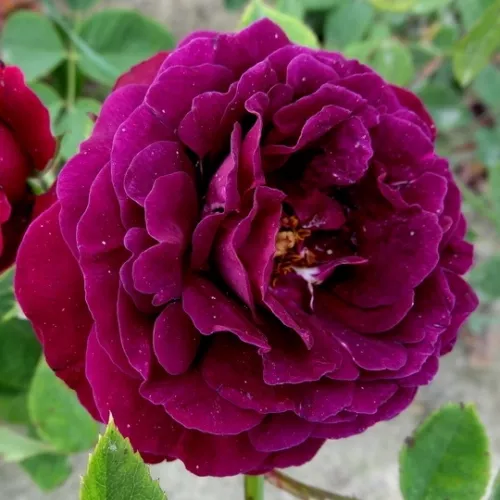
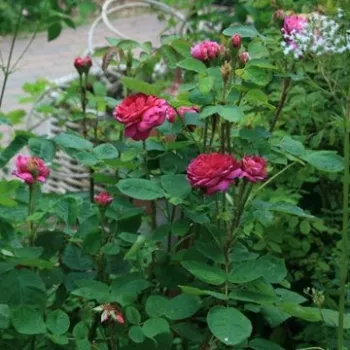
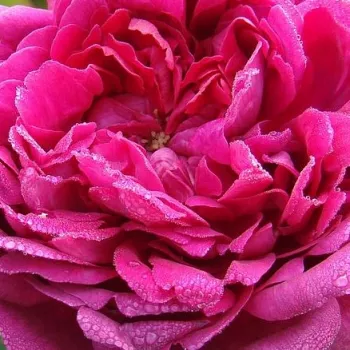
EUGÉNIE GUINOISSEAU – crimson-red historic moss rose
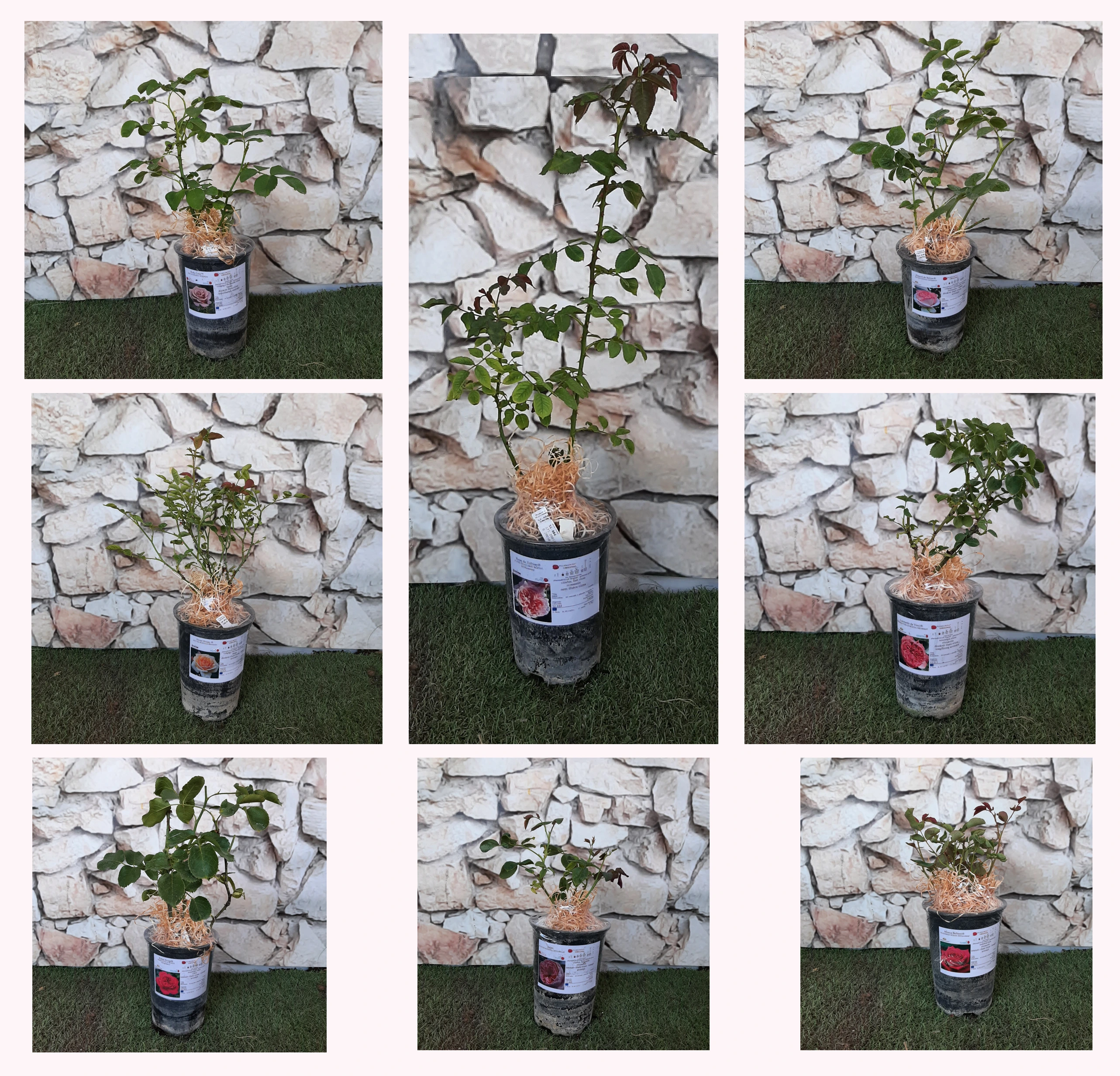
Along a breezy Cornish veranda or Devon shingle path, EUGÉNIE GUINOISSEAU brings richly romantic mossed buds and deeply scented crimson blooms to a compact family garden with reassuring endurance, thriving where coastal air feels brisk yet sheltering against strong winds. Its upright, dense habit and glossy dark foliage create a natural screen that settles into mixed planting without fuss, while remontant flowering gives repeat colour and perfume from early summer into autumn. As an own-root shrub it offers long-term stability, quietly rebuilding if cut back and ageing into a characterful, gnarled feature rather than declining. The pharmaROSA® ORIGINAL 2-litre container makes planting refreshingly simple for beginners: plant once, water in well, then watch as in the first year it concentrates on roots, the second on confident shoots, and by the third rewards you with full historic charm and sea-breeze-ready resilience.
Usage options
| Target area |
Reasoning |
| Coastal veranda windbreak |
The tall, upright framework and dense, glossy foliage form a living screen that softens gusts on balconies and verandas, giving shelter for morning tea after a beach walk, ideal for the coastal beginner. |
| Small family garden focal shrub |
Its historical character, mossed buds and rich crimson flowers draw the eye without needing complex clipping, standing as a single specimen in a lawn corner or by a seating area, suiting the busy homeowner. |
| Romantic flowering hedge |
Planted at the recommended hedge spacing, it knits into a fragrant, moderately thorny barrier that defines boundaries and screens play spaces while still looking soft and generous, appealing to the family gardener. |
| Mixed border with clay soil |
Once established, its strong root system helps it cope where drainage is imperfect, providing upright structure and repeat flowering above perennials, addressing the challenge of heavier soils for the urban plot-owner. |
| Historic-style “girly” coastal bed |
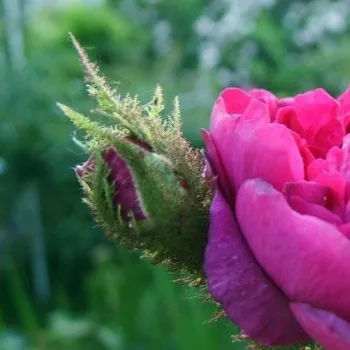
The shifting raspberry-to-lilac colours and mossed buds pair beautifully with sea kale and airy grasses in shingle-style beds, echoing vintage seaside postcards and suiting the romantic stylist. |
| Large container on sheltered patio |
In a minimum 40–50 litre pot with good drainage, it gives height, fragrance and screening on terraces where ground planting is limited, thriving when positioned in a sunny but wind-buffered spot for the apartment gardener. |
| Long-season fragrance corner |
Remontant flowering and powerful berry-fruity scent keep a seating nook interesting from summer into autumn, with own-root vigour supporting years of reliable bloom for the scent-loving beginner. |
| Low-intervention heritage collection |
Moderate disease resistance and cold hardiness make it a practical historic choice that, with basic seasonal care, matures gracefully into a long-lived feature cherished by the heritage enthusiast. |
Styling ideas
- Seaside-Tea Nook – Place near a bistro set on a sheltered coastal veranda, underplanted with Festuca and sea kale for movement and texture – for those curating a breezy, feminine retreat.
- Romantic-Hedge Line – Use as an informal flowering hedge along a path, interspersed with lavender to soften thorns and extend scent – for homeowners wanting a soft boundary with character.
- Shingle-Dream Border – Combine with Coreopsis, dwarf asters and pale grasses in a shingle bed to echo sun-faded seaside tones – for garden stylists chasing a vintage beach atmosphere.
- Patio-Perfume Pot – Grow in a large 50 litre container by French doors so the strong berry fragrance drifts indoors on warm evenings – for flat dwellers seeking maximum impact from one rose.
- Heritage-Feature Corner – Anchor a corner bed with this tall shrub, surrounding it with low mounds of lavender and lobelia for contrast – for beginners wanting a single, easy focal point.
Technical cultivar profile
| Property |
Data |
| Name and registration |
Eugénie Guinoisseau is a historic moss rose sold as EUGÉNIE GUINOISSEAU – crimson-red historic moss rose – Guinoisseau-Flon; an unregistered 1864 heritage cultivar with verified authenticity. |
| Origin and breeding |
Bred in France in 1864 by Bertrand Guinoisseau-Flon, with parentage unknown; a traditional moss rose preserved through specialist nurseries and ideal for heritage-focused British gardens. |
| Growth and structural characteristics |
Strong, upright shrub reaching about 150–220 cm high and 90–150 cm wide, with dense, glossy dark green foliage and heavy prickling, forming a substantial, bushy presence in the border. |
| Flower morphology |
Large, very double, cup-shaped flowers with over 40 petals, borne in clusters; remontant with a lighter second flush, giving traditional moss rose blooms through the main garden season. |
| Colour data and phenology |
Flowers open vivid raspberry-cherry red then soften through crimson to lavender-lilac with a silvery veil; ARS code mr, RHS 60A–60B, creating shifting, antique-looking tones as each bloom ages. |
| Fragrance and aroma |
Powerfully scented heritage rose with a sweet, berry-fruit character; its strong perfume is noticeable on warm, still days and is best enjoyed near paths, seating areas or regularly used entrances. |
| Hip characteristics |
Due to the very double flowers, hip set is generally sparse; where present, expect small red, ellipsoidal hips around 11–17 mm that add a modest decorative touch late in the season. |
| Resistance and winter hardiness |
Hardy to around −21 to −18 °C (RHS H7, roughly USDA 6b, Swedish zone 3); disease resistance is moderate overall, with good black spot resistance but some susceptibility to mildew and rust. |
| Horticultural recommendations |
Best in full sun with fertile, well-drained soil; space 95–110 cm in hedges or groups and up to 180 cm as a specimen; medium maintenance with occasional plant protection and annual formative pruning. |
EUGÉNIE GUINOISSEAU offers tall, fragrant, season-spanning colour with dense screening, combining heritage charm and own-root longevity for those planning a lasting feature in a coastal or town garden; consider it when you want impact without complexity.