BLUE EYES – lilac-white bedding floribunda rose - James
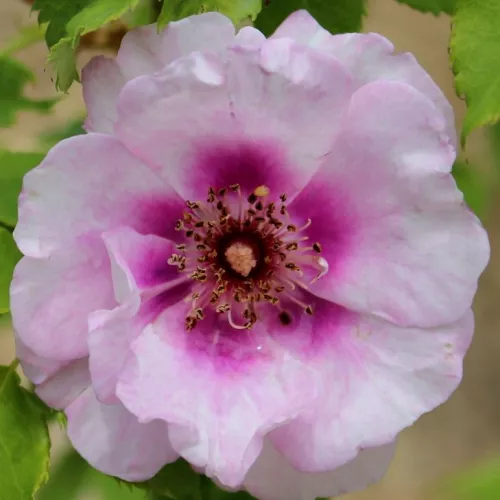
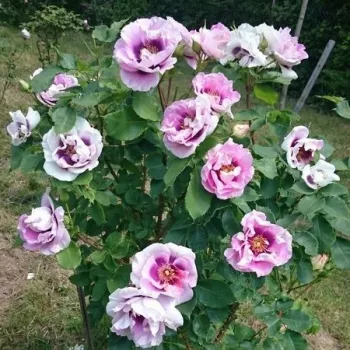
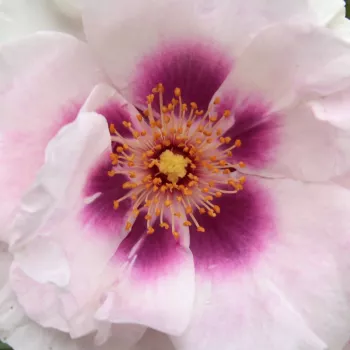
Imagine sipping tea on a sheltered Cornish veranda as Blue Eyes opens its pale lilac-white blooms, each with a violet “eye” that instantly creates seaside drama. This compact floribunda forms a neat, bushy hedge or bedding accent that fits easily into small family gardens and coastal shingle borders, quietly anchouring beds while coping well with brisk breezes and careful water management. Its remontant flowering and strong, lemony fragrance give reliable colour and scent from early summer, with semi-double blooms that still leave room for visiting pollinators. As an own-root plant, it builds a lasting framework: in the first year it focuses on roots, in the second on stronger shoots, and by the third year it settles into full ornamental value for your relaxed, low-fuss coastal-style retreat.
Usage options
| Target area |
Reasoning |
| Compact coastal flowerbed near a seating area |
The neat, bushy habit and 70–95 cm height keep this rose at comfortable eye level beside garden chairs, while the vivid violet “eye” brightens gravel and shingle schemes with minimal fuss, ideal for a compact, good-looking space for the busy homeowner. |
| Large container on a sheltered veranda (40–60 L) |
Its compact root system and moderate maintenance needs suit a generous 40–60 litre pot, where regular watering and occasional deadheading are easy to manage, while the strong lemony fragrance drifts towards doors and windows for the veranda gardener. |
| Low informal hedge around a family terrace |
Planting at 50 cm intervals creates a low, softly defined hedge that frames patios without blocking views, and the glossy, dark green foliage stays dense and attractive between flushes, providing a gentle boundary for the family garden owner. |
| Mixed border with sea kale and ornamental grasses |
The cool lilac-white flowers with a dark eye pair beautifully with blue sedges and sea kale, while the rose’s compact spread helps knit planting together, offering a refined coastal look that remains practical for the style-conscious beginner. |
| Small front garden bed in coastal towns |
A moderate level of disease resistance and good heat tolerance mean this rose performs steadily in exposed, sunny front gardens, especially where beds are improved for drainage and wind is channelled rather than funnelled, supporting the needs of the urban householder. |
| Pollinator-friendly accent near paths |
Semi-double flowers with accessible stamens allow bees to reach nectar and pollen, while repeat flowering ensures a steady supply of blooms, making this a charming, wildlife-supporting feature close to where people walk and pause for the nature lover. |
| Long-season focal point in a small border |
Remontant flowering with an abundant second flush keeps colour returning through the season, while moderate self-cleaning reduces the urgency of deadheading, so the display stays pleasing even with only occasional attention from the time-poor gardener. |
| Long-term feature rose in a settled family garden |
The own-root form builds a durable, regenerating framework that reshoots well after pruning or weather damage, promising stable ornamental value over many years, and steadily anchouring beds in windy, coastal-influenced plots for the long-term planner. |
Styling ideas
- Seaside Border Ribbon – weave a low ribbon of plants along a shingle path, mixing this compact rose with sea kale and blue sedges – ideal for coastal-style enthusiasts
- Veranda Scent Pot – place a single plant in a 50 L clay pot by French doors so the lemony fragrance drifts indoors – perfect for veranda tea-drinkers
- Girly Pastel Corner – pair the lilac-white blooms with lamb’s ear and Irish moss for a soft, feminine palette – well suited to romantic garden makers
- Family-Friendly Hedge – plant an informal, waist-high edging hedge around a terrace, giving gentle structure without harsh lines – convenient for sociable families
- Pollinator Promenade – dot plants along a main path among airy grasses so bees work the semi-double flowers as you pass – attractive for wildlife-conscious walkers
Technical cultivar profile
| Parameter |
Data |
| Name and registration |
Floribunda bedding rose, Hybrid Hulthemia persica; registered as PEJbigeye, traded as Blue Eyes Bedding rose PEJbigeye, also known in exhibitions as Eyes for You. |
| Origin and breeding |
Bred by Peter Joseph James in the United Kingdom around 2004, from (‘SCRivbell’ × ‘Tingle’) × ‘Blue for You’; introduced and first distributed in 2009 by C & K Jones. |
| Awards and recognition |
Recognised internationally: Certificat de Mérite at Bagatelle, Paris in 2011 and Silver Medal at the Nagaoka International Fragrant Rose Trials in Echigo Hillside, Japan in 2012. |
| Growth and structural characteristics |
Compact, bushy shrub reaching 70–95 cm in height and 60–90 cm spread, with dense, glossy dark green foliage and moderate prickliness, forming tidy bedding groups or informal low hedges. |
| Flower morphology |
Semi-double, cup-shaped blooms with 13–25 petals, large cluster-flowered heads, repeat-flowering with a notably abundant second flush, offering sustained decorative value through the main season. |
| Colour data and phenology |
Pale lilac-white petals (RHS 76C, 79A) with a dark crimson to violet eye; buds show a buttery to lilac base, the eye remains intense to full opening before softening towards muted mauve-purple. |
| Fragrance and aroma |
Strong, fresh, lemony scent that projects well in still air; semi-double blooms provide accessible stamens, encouraging visits from pollinating insects alongside the ornamental and sensory effect. |
| Hip characteristics |
Produces moderately abundant, small spherical hips, around 6–8 mm in diameter, in a clear orange-red shade, adding discreet late-season interest without dominating the plant’s overall appearance. |
| Resistance and winter hardiness |
Hardy to approximately −21 to −18 °C (USDA 6b, RHS H7), with moderate resistance to black spot, powdery mildew and rust; tolerates heat well but benefits from consistent moisture in prolonged dry spells. |
| Horticultural recommendations |
Best in full sun with improved drainage, especially on heavier soils; ideal for beds, borders, containers from 40 L upwards and park plantings, with medium maintenance and occasional plant protection as needed. |
BLUE EYES combines compact, hedge-forming growth, remontant, lemon-scented flowering and the long-term resilience of an own-root rose; a thoughtful choice if you would like a quietly reliable coastal-style feature.