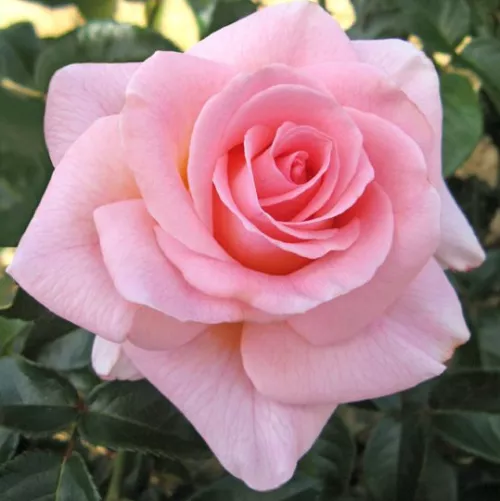
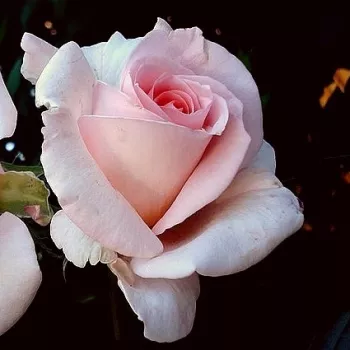
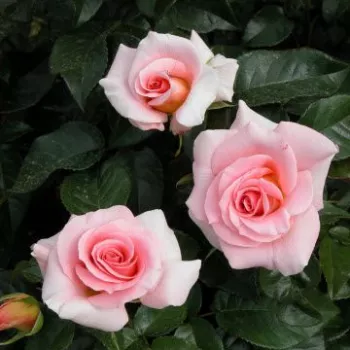
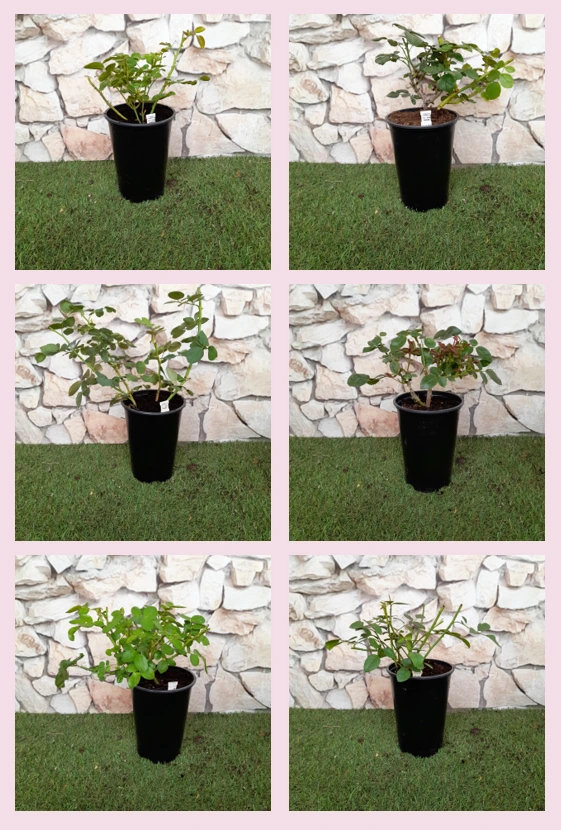
FANNY ARDANT – light pink hybrid tea rose – Adam
Imagine sitting behind a gentle coastal windbreak, a cup of tea in hand, while FANNY ARDANT scatters large, pastel blooms that feel at home in breezy, salty gardens as easily as in a sheltered suburban border. This hybrid tea’s upright habit and glossy foliage make it a natural focal point for smaller family plots where you want a clear, elegant structure without fuss. Its generous, remontant flowering brings flush after flush of long-stemmed roses from early summer well into autumn, keeping the garden lively through changeable British weather and supporting gardens exposed to strong coastal winds and rain by anchoring firmly over time. The fresh, fruity fragrance adds a quietly luxurious note to everyday moments, while the strong disease resistance keeps maintenance low and foliage clean. In a roomy container of at least 40–50 litres on a balcony or veranda, it develops steadily, making the most of its own-root longevity: first establishing roots, then building shoots, and by the third year offering full ornamental impact with minimal intervention.
Usage options
| Target area | Reasoning |
|---|
| Feature rose in a small coastal front garden |
The upright structure and large, pastel blooms give clear shape and colour without overcrowding smaller spaces, while reliable anchoring and firm growth handle exposed, breezy conditions well for coastal-style homeowners |
| Statement container on a sunny veranda or balcony |
In a 40–50 litre pot with good drainage, the plant builds a stable root system and then gradually taller, flowering stems, providing a long-lived focal point that rewards light pruning and regular watering for busy balcony-owners |
| Low-maintenance specimen in a family back garden |
Plant as a single specimen by a seating area or path, where strong disease resistance and modest care needs offer reliable performance and clean foliage, suiting households that prefer simple, seasonal tasks for relaxed gardeners |
| Cutting corner for home-arranged bouquets |
High-centred, exhibition-style flowers borne singly on long, straight stems are ideal for cutting, so a small group planting can supply many pastel, delicately scented blooms for vases without needing specialist skills for amateur florists |
| Romantic “girly” bed with coastal perennials |
Combine its light pink flowers with sea kale, blue Festuca and lavender for a soft, seaside look; the upright habit breaks up shingle or gravel beds and pairs well with low mounds of texture for style-focused designers |
| Structured rose border with reliable repeat flowering |
Planted at recommended spacing, it forms an orderly, upright line that repeats bloom through the season, giving rhythm and height to mixed borders without complicated pruning, ideal for straightforward, classic layouts for traditional planners |
| Long-term own-root planting for lasting value |
The own-root form supports gradual establishment and good regeneration, reducing the risk of graft failure over time and offering stable ornamental value as it matures, particularly attractive for those planning ahead for future enjoyment |
| Climate-conscious, low-intervention rose choice |
Strong resistance to major rose diseases reduces the need for chemical treatments and intensive care, fitting gardens where you prefer simpler routines and mindful input, using water and products carefully in everyday households |
Styling ideas
- Coastal-Veranda Duo – place FANNY ARDANT in a 50-litre tub with sea kale and trailing Lobularia maritima to echo a soft seafront mood – for coastal-style balcony owners
- Romantic-Shingle Nook – set three plants in a triangle on light shingle with blue Festuca clumps and a white bench as backdrop – for lovers of gentle, feminine garden corners
- Classic-Cut Strip – arrange a straight row near the back door, spaced for easy access, to harvest long-stemmed blooms for indoor vases – for home florists who like regular picking
- Family-Seating Focus – position a single plant beside a terrace table so its repeat flowering and fragrance frame weekend teas – for families enjoying relaxed outdoor time
- Low-Fuss Silver-Pink Border – mix with pale lavender and Gypsophila repens along a sunny path for a light, airy border needing only modest dead-heading – for busy but style-aware gardeners
Technical cultivar profile
| Parameter | Data |
|---|
| Name and registration |
Hybrid tea rose ADArocona, marketed as Fanny Ardant within the NIRPALWAYS collection; exhibition-grade cut-flower type with high-centred, pointed buds and verified cultivar authenticity. |
| Origin and breeding |
Bred by Michel Adam in France, breeding year 2001; introduced commercially in 2004 by NIRP International, representing modern French hybrid tea breeding for gardens and cutting. |
| Awards and recognition |
Highly decorated: Monza Rose of the Year gold medal 2001, Baden‑Baden gold medal and Most Beautiful Ladies' Rose 2001, plus major Lyon awards Prestige de la Rose and Maurice Carron trophy 2002. |
| Growth and structural characteristics |
Upright hybrid tea rose, around 90–120 cm tall and 50–70 cm wide, with dense, glossy medium to dark green foliage and moderate prickles; spent blooms tend to persist and benefit from manual removal. |
| Flower morphology |
Large XL flowers borne singly, semi-double with 13–25 petals, high-centred, pointed-bud form typical of exhibition hybrid teas; remontant, with a notably generous second flush after the main flowering. |
| Colour data and phenology |
Soft light pink blooms with a slightly deeper centre; opens pastel, then fades towards silvery pink with some creamy tones at the core; colour retention is good, giving a gentle, stable display in borders. |
| Fragrance and aroma |
Fresh, fruity perfume of medium strength, readily noticeable at close range and around seating areas; primarily ornamental, with limited pollinator appeal due to the semi-double, exhibition-style flower form. |
| Hip characteristics |
Generally low hip production due to flower form; occasional small, spherical hips 8–12 mm across may develop, coloured bright red RHS 44A, adding a discrete seasonal accent late in the year. |
| Resistance and winter hardiness |
Strong resistance to powdery mildew, black spot and rust under typical garden conditions; hardy to approximately −21 to −18 °C (RHS H7, USDA 6b), suitable for most UK climates with normal care. |
| Horticultural recommendations |
Prefers full sun and fertile, well-drained soil; plant at 45–90 cm depending on use; water regularly in dry spells; dead-head to tidy and encourage repeat flowering; ideal for beds, containers and cutting. |
Fanny Ardant offers large, romantic blooms, reliable repeat flowering and strong disease resistance in a long-lived own-root form, making it a graceful, easy-care choice you may confidently add to your garden.