FIJI – white-pink hybrid tea rose - Ilsink
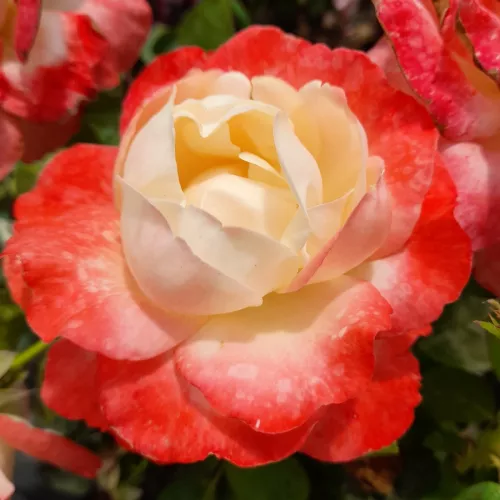
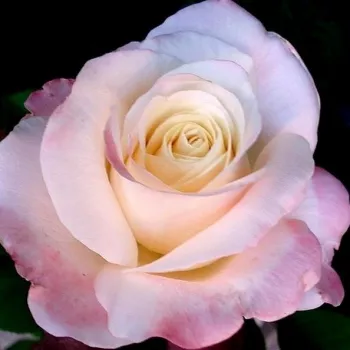
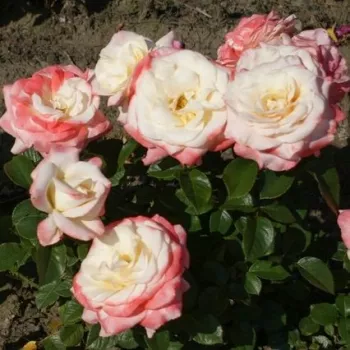
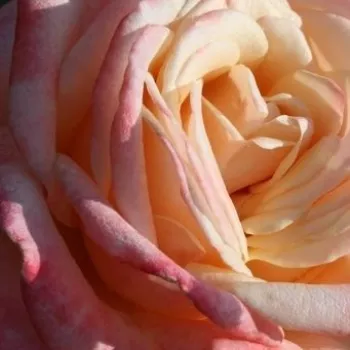
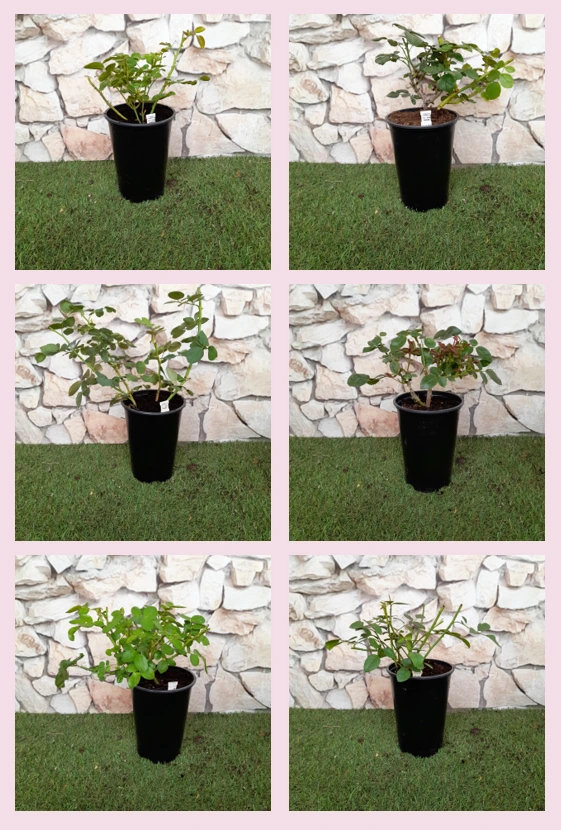
Let FIJI bring a sense of coastal refreshment to your garden, its creamy white and blush-pink blooms echoing seashell tones against glossy green foliage for an easy-going, hybrid tea focal point that feels naturally elegant. This compact yet upright rose fits neatly into family borders and small terraces, offering reliable repeat flowering from early summer well into autumn for long-lasting visual impact. As an own-root plant it establishes steadily and is capable of quiet regeneration after harsh weather, giving you a calm, long-lived presence rather than a fussy diva. In breezier gardens it copes well once anchored in decent soil, handling typical coastal gusts and showers with reassuring stability and little more than seasonal pruning. Its semi-double, bee-attracting blooms invite gentle interaction while still cutting beautifully for the vase, so you can enjoy that “holiday island” mood indoors and out. Plant once, water carefully in the first season, then let this medium-maintenance rose settle into its own rhythm, moving from root-building to strong shoots and finally a full display over three relaxed seasons.
Usage options
| Target area |
Reasoning |
| Small coastal front garden bed |
The compact, upright habit keeps FIJI tidy in narrow beds along drives or front paths, giving a structured “mini hedge” of high-centred, seashell-pink flowers without shading windows, ideal for low-effort kerb appeal for the busy homeowner. |
| Shingle-style coastal border |
Once established in free-draining soil, FIJI stands up well to salt-laced breezes and rain-swept days common in exposed British gardens, providing reliable colour where many plants struggle for the coastal gardener. |
| Large container on a sunny veranda |
Its moderate height and dense foliage make FIJI a natural choice for a 40–50 litre pot, forming a stable, elegant accent that frames outdoor seating with repeat-flowering colour and fragrance for the veranda user. |
| Feature rose in a family seating area |
The classic hybrid tea flowers are large enough to feel special yet produced steadily through the season, delivering a gentle “tea on the terrace” backdrop without demanding constant attention from the relaxed family. |
| Cutting corner for home arrangements |
High-centred buds on straight stems suit informal vases and small table arrangements, letting you gather a few stems for the kitchen after a walk, extending the holiday atmosphere indoors for the home florist. |
| Pollinator-friendly mixed border |
Semi-double blooms with accessible stamens and a noticeable rose scent attract bees, so FIJI can slip into a mixed border of perennials and grasses that supports wildlife while still looking refined for the nature lover. |
| Long-term structural planting in a family garden |
As an own-root rose, FIJI thickens from the base over time, recovering more reliably from pruning or weather damage and maintaining its shape and flowering quality for many seasons for the forward planner. |
| Medium-care rose bed for beginners |
With medium disease resistance and straightforward pruning needs, FIJI suits gardeners who want a classic hybrid tea look without specialist techniques, thriving with routine feeding, watering and light spraying where needed for the confident beginner. |
Styling ideas
- Shell-Pink Focus – repeat FIJI along a shingle path with sea kale and low Festuca for a soft, seashell-inspired palette – ideal for coastal-style enthusiasts seeking calm structure.
- Veranda Retreat – plant FIJI in a single 50-litre terracotta pot beside a bistro table, underplanted with trailing thyme – suited to balcony and veranda users who enjoy evening tea outdoors.
- Soft Contrast Bed – pair FIJI with blue globe thistle and silver foliage for a fresh, breezy contrast that still feels ordered – for homeowners wanting subtle drama without visual clutter.
- Cottage-Clean Mix – weave FIJI through lavender and low grasses to add classic blooms without losing an airy, modern feel – perfect for those updating a cottage garden toward a lighter look.
- Family Cut-Flower Corner – group three FIJI plants with summer perennials for easy picking of stems and filler flowers – for families who like simple home-grown bouquets on the kitchen table.
Technical cultivar profile
| Parameter |
Data |
| Name and registration |
Hybrid tea rose INTerzabunel, marketed as FIJI Holiday Island®, also known on the show bench as Anneli van Rooyen; classified within the Holiday Island® collection for garden and cutting use. |
| Origin and breeding |
Bred by Robert Ilsink of Interplant Roses B.V. in the Netherlands and introduced around 2006, with hybridisation, registration and commercial launch presumed to have occurred in the same year. |
| Growth and structural characteristics |
Compact, upright hybrid tea shrub reaching about 60–85 cm in height with a 45–60 cm spread, moderately thorny stems and dense, glossy mid-green foliage contributing to a neat, formal outline. |
| Flower morphology |
Medium-large, high-centred, pointed buds opening to semi-double blooms with approximately 13–25 petals, borne mainly singly on stems, remontant with a generously repeated second flush in season. |
| Colour data and phenology |
Creamy white outer petals with soft pink shading and edges; ARS code pb, RHS 155C outer and 57C inner, with pink tones gradually fading to an almost uniform cream-white as the flower ages. |
| Fragrance and aroma |
Medium-strength, classic rose fragrance that is clearly noticeable at close range, combining well with the pastel flower colours to enhance planting near seating areas or paths where scent can be enjoyed. |
| Hip characteristics |
Produces moderate quantities of small, spherical red hips about 10–14 mm across, which can add a discreet decorative touch in late season where spent flowers are not removed for continuous display. |
| Resistance and winter hardiness |
Rated to approximately –21 to –18 °C, RHS H7 and Swedish zone 3; disease resistance is medium to powdery mildew, black spot and rust, benefiting from normal preventive care in humid seasons. |
| Horticultural recommendations |
Best in sunny positions with well-drained soil; plant 40–80 cm apart depending on use, at about 4–4.6 plants per m², with medium maintenance needs and occasional plant protection in high-pressure years. |
FIJI Holiday Island® INTerzabunel offers compact elegance, repeat flowering and lasting own-root resilience, making it a refined choice for relaxed coastal-style gardens and verandas you may wish to enjoy for years.