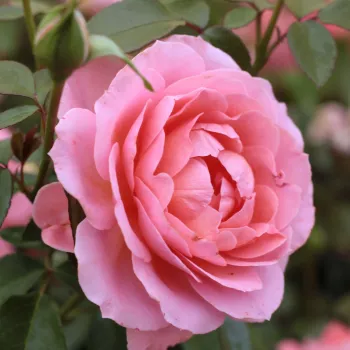
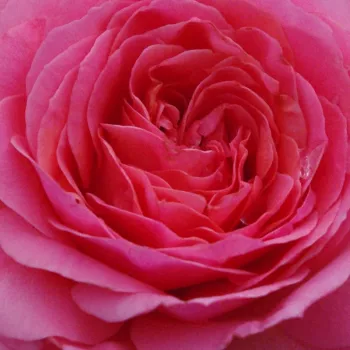
FIRST EDITION™ – coral pink bedding floribunda rose - Delbard
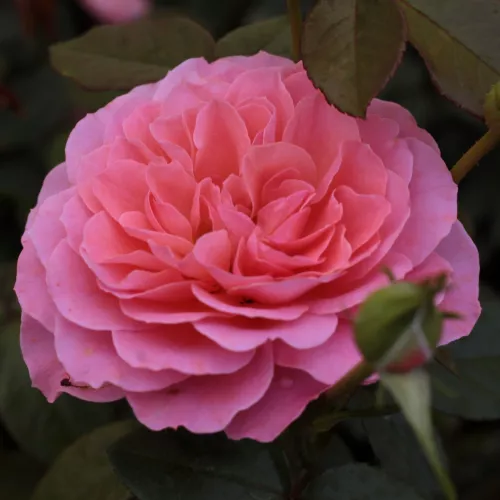
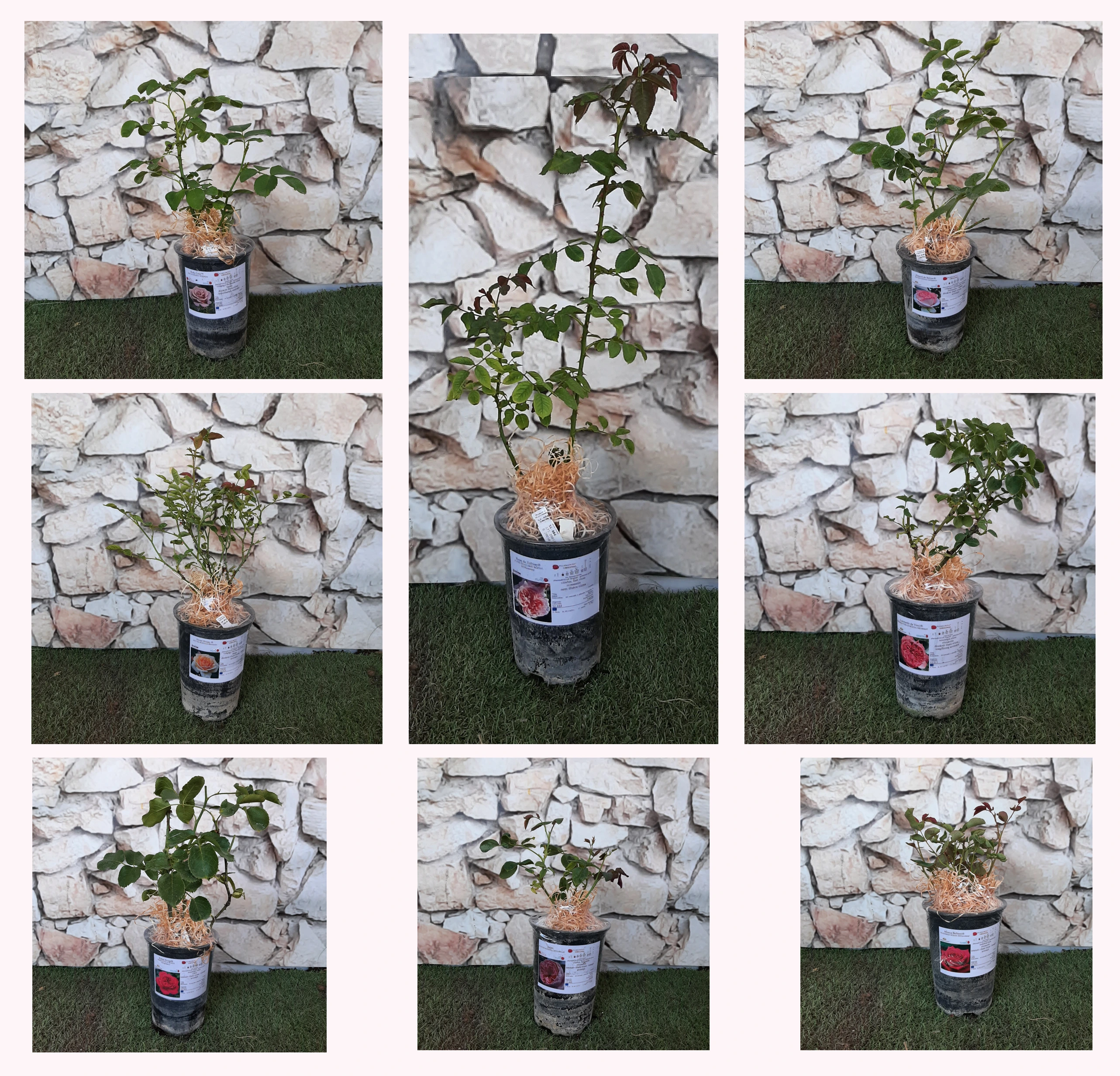
Imagine returning from the seaside, shaking sand from your shoes and settling behind a living windbreak of coral-pink blooms, where this compact floribunda gives reliable colour yet stays easy to manage in everyday family gardens. FIRST EDITION™ is bred for steady repeat-flowering, forming generous clusters that self-renew with only light deadheading, while its medium height and upright habit suit small borders, low hedges and sheltered coastal verandas that need firm anchoring against strong breezes and well-managed drainage after heavy rain. As an own-root rose it offers reassuring longevity, regenerating well if cut back or wind-pruned, so your planting matures rather than needing frequent replacement. In a 40–50 litre container on a sunny terrace or shingle courtyard, it brings long-season colour with moderate maintenance, coping with British changeable summers from bright sun to sudden showers. Over time it settles in quietly – first building roots, then stronger shoots, and by the third year delivering full ornamental impact with billowing trusses that echo sunset horizons along the coast, all while keeping care routines pleasantly simple.
Usage options
| Target area |
Reasoning |
| Coastal veranda in 40–50 litre container |
Ideal where space is tight but you still want a generous, long-season display. An own-root plant in a larger pot forms a stable, well-anchored rootball and recovers well if exposed, providing reliable structure for coastal-style pot groupings for beginners. |
| Small family front garden bed |
Upright yet compact growth suits narrow beds along drives or low front boundaries. Repeat flowering keeps colour coming from early summer onwards with only moderate deadheading and basic feeding, supporting a neat, welcoming look for busy homeowners. |
| Low flowering hedge along a path or terrace |
Regular spacing creates a softly formal, waist-high line of coral-pink clusters without blocking light. Own-root plants knit together steadily, forming a durable, easily managed hedge that responds well to occasional harder pruning for urban gardeners. |
| Mixed border with perennials in clay-based soil |
Suits typical British garden soils when drainage is improved with grit or organic matter, then maintained with mulching and sensible watering after dry spells. Steady root development and medium height make it a reliable, long-lived feature for hobby gardeners. |
| Pollinator-friendly family border |
Semi-double blooms allow moderate pollinator access while still looking full and decorative. Combining it with nectar-rich companions extends foraging options and visual interest, offering a balanced choice for wildlife-aware families. |
| Cutting patch for informal indoor arrangements |
Clustered sprays and medium-sized, cup-shaped flowers are easy to harvest for jugs and vases, giving a relaxed, coastal-cottage feel. Own-root vigour supports repeat flushes after cutting, making it a dependable source of stems for creative residents. |
| Sheltered patio seating area as wind-filtering backdrop |
Planted in a staggered row or generous containers, its upright habit and medium height help filter wind while maintaining views, well suited to exposed spots where anchoring and drainage need attention after heavy coastal weather for seaside owners. |
| Shingle-style, low-maintenance coastal planting |
Works well among gravel or shingle with drought-tolerant companions, needing only seasonal feeding, watering in dry spells and light deadheading. Its own-root framework matures into a resilient, low-fuss feature for time-poor gardeners. |
Styling ideas
- Cornish-terrace trio – Group one plant in a 50-litre tub with blue Festuca and a low sea kale to echo coastal tones while keeping care straightforward – ideal for time-poor gardeners wanting seaside character.
- Shingle-ribbon border – Thread a line of plants through pale gravel, interplanted with low lavender and thyme, to create a relaxed, beach-path feel with repeat colour – perfect for coastal-style lovers.
- Front-garden welcome – Pair with white Physostegia and soft grasses in a small bed by the drive for an airy, wind-filtering entrance – suited to homeowners seeking tidy yet informal impact.
- Family-cutting strip – Run a short row near the patio with Agastache ‘Blue Fortune’ for easy-to-reach sprays that fill jugs indoors – great for families who like bringing garden flowers inside.
- Veranda-screen cluster – Use three large containers to frame a seating nook, underplanting with low succulents and coastal daisies for a sheltered tea spot – good for beginners wanting structure with little fuss.
Technical cultivar profile
| Parameter |
Data |
| Name and registration |
Floribunda bed rose, registered as DELtep, marketed as FIRST EDITION™ – coral pink bedding floribunda rose - Delbard; exhibition name First Edition in floribunda spray classes. |
| Origin and breeding |
Bred by Georges Delbard, France, from complex floribunda parentage including Zambra, Orléans Rose, Goldilocks and Orange Triumph; bred 1976, introduced commercially from 1977 onward. |
| Awards and recognition |
Highly decorated floribunda with Bagatelle Silver Medal 1972, Orléans Rose d’Or Gold Medal 1974 and All-America Rose Selections Winner 1977, confirming strong garden and show performance. |
| Growth and structural characteristics |
Medium-height, upright shrub reaching around 90–130 cm with a 60–85 cm spread; moderately dense, glossy light green foliage and moderate prickliness suit beds, borders and low hedging. |
| Flower morphology |
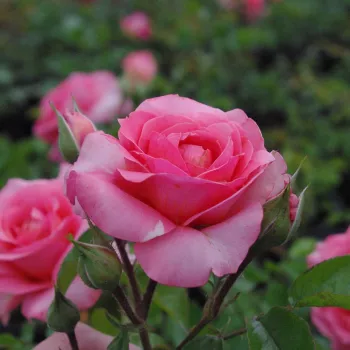
Semi-double, medium-sized cup to chalice flowers in showy clusters, with 13–25 petals; remontant habit gives abundant first bloom and a second flush that is also notably plentiful in season. |
| Colour data and phenology |
Coral-pink to light coral and orange-pink tones that open bright then gently fade to pinkish-peach with a subtle apricot tint, giving a warm, radiant appearance through successive stages of flowering. |
| Fragrance and aroma |
Very weak, barely perceptible scent with a light tea-like character; fragrance is not the main feature, making it suitable where strong perfume is not desired near doors, windows or seating. |
| Hip characteristics |
Occasionally produces small, spherical orange-red hips about 10–14 mm across, adding modest late-season interest without significantly affecting the plant’s main use as a repeat-flowering bedding rose. |
| Resistance and winter hardiness |
Hardy to around −21 to −18 °C (RHS H7, USDA 6b, Swedish zone 3); good resistance to powdery mildew and black spot, medium susceptibility to rust, and may need protection from late spring frosts. |
| Horticultural recommendations |
Best in full sun with improved drainage, especially on heavier soils; medium maintenance, occasional pest checks, and regular deadheading support repeat flowering in beds, borders and larger containers. |
FIRST EDITION™ – coral pink bedding floribunda rose - Delbard offers compact, repeat-flowering colour and durable own-root vigour in small spaces, making it a thoughtful, easy-care choice for long-term coastal or family gardens.