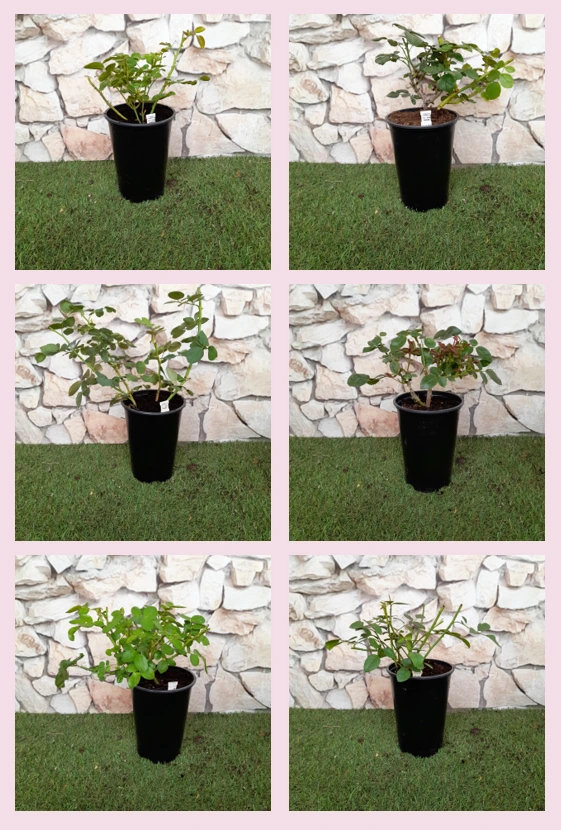
FOOTLOOSE ™ – pink bedding floribunda rose - Evers
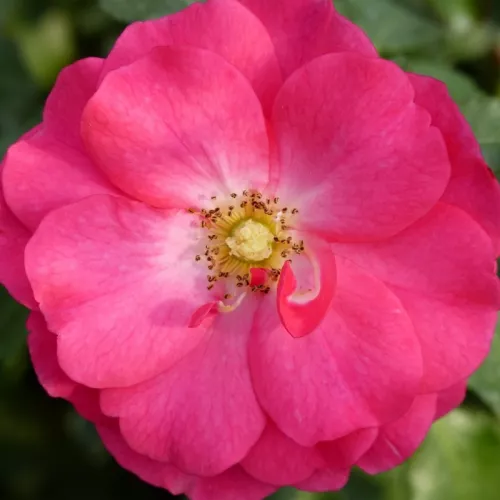
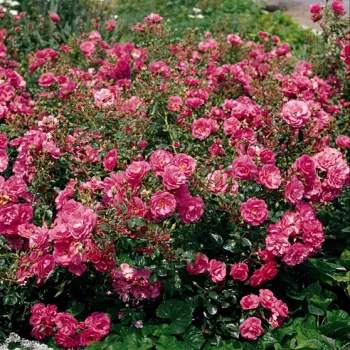
Let the rosy, fuchsia-pink clouds of Footloose ™ roll through your garden like a fresh sea breeze: its semi-double clusters bring continuous colour from early summer, while dark, glossy foliage creates a reliable green backdrop. This low, spreading floribunda settles quickly in borders or large containers and stands up well to coastal wind and rain, offering reassuring stability where gardens meet shingle and salt-laden air in exposed positions. As an own-root plant, it builds strength year after year with dependable regrowth, ideal for busy gardeners who want impact rather than chores. Pan-European testing in the Cityflor® series underpins its durable performance, with strong disease resistance and low-maintenance care needs that suit small family gardens, shared courtyards and relaxed seaside verandas.
Usage options
| Target area |
Reasoning |
| Low-maintenance family flower bed |
Footloose ™ offers long, repeat flowering with semi-double pink clusters that refresh the border from early summer into autumn, while its naturally compact, spreading habit keeps shaping and pruning work to a minimum for the beginner gardener. |
| Coastal, windy front garden |
The dense, glossy foliage and spreading frame help anchor the plant in breezy, exposed plots, coping well where gardens meet regular wind and passing showers in coastal neighbourhoods for the seaside homeowner. |
| Ground-cover strip along paths or drives |
Planted at the recommended spacing, Footloose ™ knits into a low, flower-laden carpet that suppresses weeds, sheds its own spent blooms and needs only light trimming, making everyday access routes easy to keep smart for the busy commuter. |
| Large container on veranda or terrace |
In a 40–50 litre pot with good drainage, this floribunda forms a rounded, flower-rich dome, its tidy height suiting verandas where you want impact without blocking views, while routine deadheading remains optional for the urban balcony-owner. |
| Pollinator-friendly corner near seating |
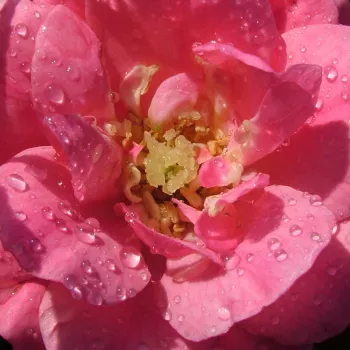
The semi-double blooms expose stamens for bees and other insects, adding life and movement around a seating area while still reading as a classic bedding rose, especially effective paired with lavender or sweet alyssum for the wildlife-conscious gardener. |
| Long-lived, low-effort rose feature |
As an own-root rose, Footloose ™ builds a deep root system in year one, stronger shoots in year two and full ornamental presence by year three, giving stable colour for many seasons with simple, routine upkeep for the time-poor homeowner. |
| Simple hedge or edging run |
Used at hedge spacing, its even height, spreading habit and repeat flushes of pink flowers draw a clear line around lawns or play areas, remaining easy to clip lightly once a year if desired for the informal-garden lover. |
| Robust planting in urban or shared spaces |
Selected within the Cityflor® series for durable bed performance, Footloose ™ combines reliable flowering with strong disease resistance, so shared front gardens and communal plots stay attractive even with modest maintenance for the low-input planter. |
Styling ideas
- Seaside-Strip Bed – run Footloose ™ in a loose ribbon along shingle or gravel with sea kale and blue fescues, echoing Cornish and Devon seafronts – ideal for coastal-style enthusiasts.
- Veranda-Tea Pot – plant one or three plants together in a 50 litre container with dwarf lavender around the rim for a fragrant, wind-tolerant pink and purple dome – for terrace and balcony owners.
- Girly-Groundcover – mass plant in a front garden with sweet alyssum at the edges to create a soft, pink-and-white “skirt” that stays showy with little care – perfect for beginner gardeners.
- Urban-Edge Line – use as a low edging along paths or parking bays, underplanting with goldmoss stonecrop to brighten gaps and keep weeds down – suited to busy city homeowners.
- Play-Zone Border – frame children’s lawns with Footloose ™ and tough grasses, keeping the rose height low but colourful, so sightlines stay open while the border feels welcoming – for family-garden planners.
Technical cultivar profile
| Trait |
Data |
| Name and registration |
Floribunda bedding rose from the Cityflor® collection; registered as TANotax and marketed as Footloose ™, Footloose™ Cityflor® and TANotax in different regions and catalogues. |
| Origin and breeding |
Bred in Germany in 1990 by Hans Jürgen Evers at Rosen Tantau from an unnamed seedling × Rosali 83®; registered 1999 and introduced commercially after 1999 by Rosen Tantau. |
| Growth and structural characteristics |
Spreading shrubby floribunda reaching about 70–110 cm high and 60–100 cm wide, with dense, dark green glossy foliage and moderate prickles, forming a low, bushy ground-cover silhouette. |
| Flower morphology |
Semi-double, medium-sized blooms with roughly 13–25 petals, borne in large, cluster-flowered trusses; flowers are flat in form and repeat freely, with the second main flush notably abundant in summer. |
| Colour data and phenology |
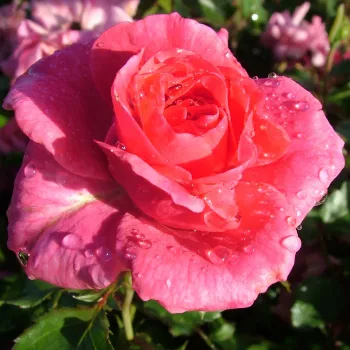
Vibrant deep pink with a raspberry-red tinge; ARS code DPk, RHS 67B outer, 67C inner; buds dark magenta-pink with silvery tips, colour lightening as blooms age, yet retaining generally good colour definition. |
| Fragrance and aroma |
Fragrance is very weak and discreet, essentially neutral in character; semi-double flower form with exposed stamens offers some value to pollinating insects despite the modest scent profile. |
| Hip characteristics |
If spent blooms are left, it can set moderate numbers of small, spherical hips about 4–8 mm across, coloured red to RHS 43A, adding a subtle decorative effect later in the season. |
| Resistance and winter hardiness |
Rated H7 and hardy to around −32 to −29 °C (USDA 4b, Sweden zone 5); strong resistance to powdery mildew, black spot and rust; tolerates summer heat but appreciates regular watering in prolonged dry spells. |
| Horticultural recommendations |
Well suited to beds, edging, mass planting, parks and large containers; plant about 55 cm apart for drifts or 45 cm for hedging; thrives in full sun to partial shade with low pruning and feeding needs. |
FOOTLOOSE ™ offers long-season pink colour, natural ground-cover shaping and strong disease resistance in an own-root form that settles for the long term, making it a thoughtful, low-effort choice for your next planting.