FORTUNA® – salmon pink tea-hybrid rose - Kordes
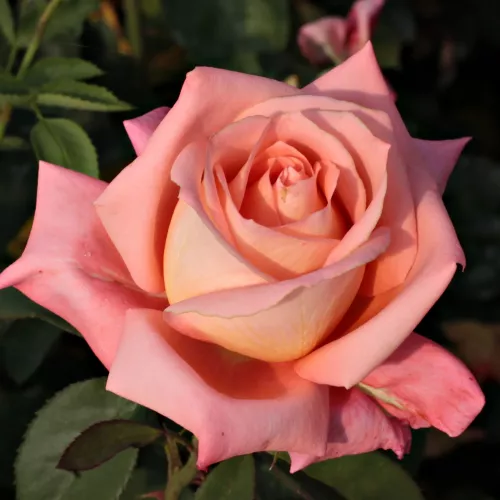
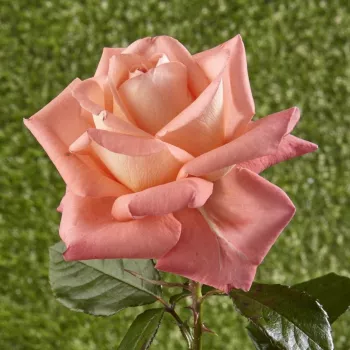
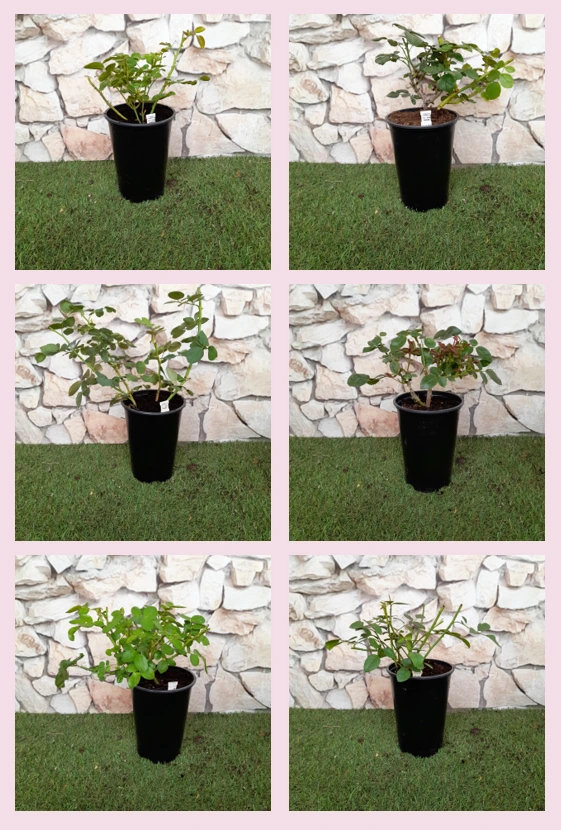
Coastal afternoons, a sheltered cup of tea and glinting sea light suit this compact salmon-pink hybrid tea, whose high-centred blooms and balanced fragrance bring quietly glamorous colour to small family gardens and verandas while its dense, dark foliage anchors planting in breezy conditions and copes well with gusty, salt-tinged air so maintenance stays pleasingly simple; in an own-root 2‑litre container it establishes steadily for a long lifespan, responding well to regular deadheading for reliable repeat flowering, and as roots deepen you will see the natural progression from a settling first season to stronger second-year shoots and, by year three, confident, full ornamental impact.
Usage options
| Target area | Reasoning |
|---|
| Coastal veranda in a large container |
Best suited to a sunny, sheltered veranda, this compact hybrid tea thrives in a 40–50 litre pot where its dense foliage helps it stand firm in blustery weather, making it easy to enjoy from a chair or kitchen window for beginners. |
| Small front garden focal point |
Its bushy, upright habit and high-centred salmon-pink blooms create a neat, welcoming feature without dominating a modest plot; planting one or three plants at recommended spacing gives a refined look with straightforward upkeep for busy homeowners. |
| “Girly” coastal shingle bed |
The warm salmon-pink flowers pair beautifully with silvery foliage and ornamental grasses, giving a soft, feminine feel to shingle or gravel beds that drain well yet still face onshore breezes, ideal for those recreating a seaside mood for coastal-lovers. |
| Cutting patch for classic rose stems |
High-centred, pointed buds on sturdy stems provide traditional hybrid tea blooms for vases, with a medium, classic rose scent that suits everyday arrangements as well as small table pieces for home florists. |
| Family seating area wind-filter |
Planted in a loose row by a terrace, the dense, glossy foliage and bushy structure help slow low-level winds while keeping views open, giving a more comfortable spot for evening drinks and children’s play for family gardeners. |
| Mixed border with perennials |
Medium height, bushy growth and repeat flowering let it tuck easily among perennials such as lavender and asters, providing reliable colour between seasonal peaks without demanding complex care from hobby gardeners. |
| Long-term, low-fuss feature rose |
As an own-root plant it ages steadily, remains true to type and regenerates well after hard pruning, building a stable presence in the garden rather than needing frequent replacement for practical planners. |
| Starter rose for new gardeners |
The clear planting distances, medium maintenance needs and forgiving bushy habit mean you can learn simple routines such as watering in dry spells, feeding and deadheading, gaining confidence as the plant responds over time for newcomers. |
Styling ideas
- Seaside veranda trio – Group three large pots with Fortuna®, sea kale and blue Festuca for a breezy Cornish-deck feel – ideal for coastal-style enthusiasts.
- Front-door welcome – Plant a single bush each side of a path, underplanted with low lavender, for scent and structure – perfect for busy homeowners wanting polish.
- Shingle romance – Set Fortuna® among pale gravel, driftwood and soft pink accessories for a “girly” beach look – appealing to veranda tea-drinkers.
- Cut-and-enjoy bed – Line a narrow strip with evenly spaced plants to harvest classic buds while retaining garden colour – suited to home bouquet makers.
- Family sun corner – Frame a small seating area with a loose arc of bushes mixed with compact grasses for gentle enclosure – great for family gardeners.
Technical cultivar profile
| Parameter | Data |
|---|
| Name and registration |
Hybrid tea rose, registered as KORtuna, marketed as Fortuna® Rigo Roses® KORtuna, exhibition name Fortuna; part of the Rigo Roses® collection for garden and cutting use. |
| Origin and breeding |
Bred by Reimer Kordes in Germany in 1977 from ‘Sonia’ × unknown seedling; introduced in 1980 via Roy H. Rumsey Pty. Ltd. in Australia and W. Kordes’ Söhne in Europe. |
| Growth and structural characteristics |
Bushy, compact shrub 50–70 cm high and 40–60 cm wide, with dense, dark green, glossy foliage and moderate prickliness; spent blooms may need manual removal for best appearance. |
| Flower morphology |
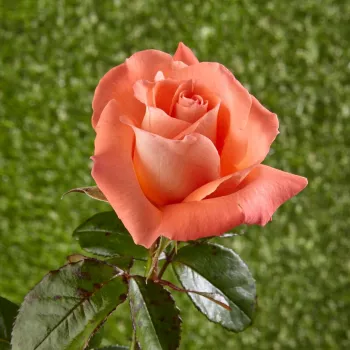
Medium-sized, double, high-centred flowers with 26–39 petals, mainly solitary on stems; classic cut-rose form with good repeat flowering and a plentiful second flush in season. |
| Colour data and phenology |
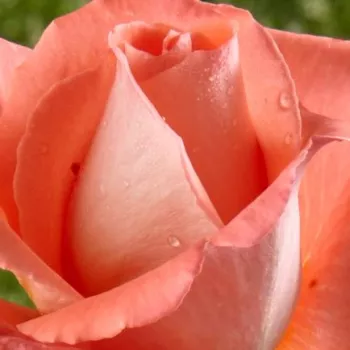
Warm salmon-pink buds open vivid, then soften through mid to pastel salmon with a near pink-white rim at the petal edges before fading, giving a gentle, evolving colour display. |
| Fragrance and aroma |
Noticeable, medium-strength scent of classic rose character, discernible at close range and suitable for seating areas, entrances and small indoor arrangements from cut stems. |
| Hip characteristics |
Occasional small spherical hips, about 6–9 mm across, colouring orange-red; mainly an ornamental feature, as flowering performance is prioritised over hip production. |
| Resistance and winter hardiness |
Hardy to approximately −23 to −21 °C (RHS H7, USDA 6a, Swedish Zone 3) with medium resistance to black spot, mildew and rust; benefits from watering in prolonged drought. |
| Horticultural recommendations |
Plant in sunny positions at 35–75 cm spacing, choosing free-draining soil; suitable for beds, low hedging and specimens, with medium maintenance and occasional plant protection. |
FORTUNA® offers compact, repeat-flowering salmon-pink blooms, a balanced fragrance and a long-lived own-root habit that earns its place in relaxed family gardens, making it a thoughtful choice if you enjoy gentle, reliable colour.