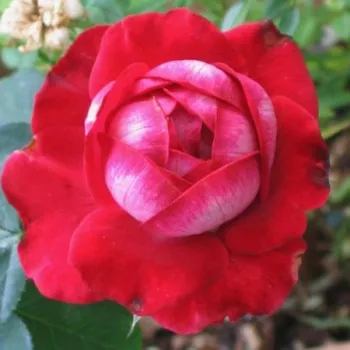
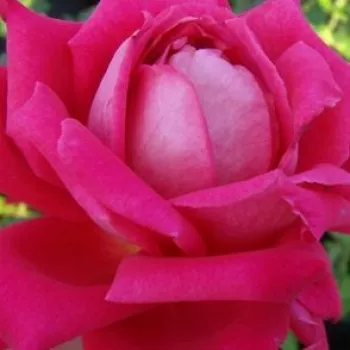
FREIHEITSGLOCKE® – pink Hybrid Tea rose – Kordes
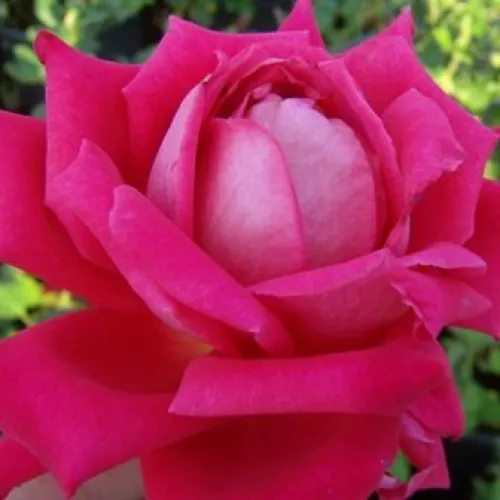
Imagine stepping back from a breezy Cornish shoreline to sip tea in shelter, as the upright, sculptural form of FREIHEITSGLOCKE® creates a gentle windbreak and frames your veranda with luminous, cyclamen-pink blooms. This hybrid tea rose is bred for reliability in typical British family gardens, coping well where soils are heavier and need careful drainage after winter rain. The easy, tea-scented flowers are ideal for relaxed cutting into jugs, while its proven disease resistance keeps maintenance low. Own-root planting means long-term stability, steady regeneration after pruning, and a quietly lengthening lifespan in your coastal-style shingle border. In a 40–50 litre container it anchors neatly on balconies or verandas, the colour holding its strength through much of the season as the plant moves from Year 1 roots to Year 2 shoots and finally Year 3 full impact.
Usage options
| Target area | Reasoning |
|---|
| Coastal veranda container (40–50 litres) |
Best in a generous 40–50 litre pot where roots can spread and anchor, giving reliable flowering even on breezier coastal verandas while you focus on enjoying the view, ideal for the busy gardener |
| Small front garden focal point |
Its upright habit and high‑centred blooms create a clear vertical accent that reads well from the pavement, providing strong form and colour without demanding complex pruning, perfect for the townhouse owner |
| Cutting and vase garden strip |
Large, high‑centred flowers on sturdy stems make it excellent for cutting, so a short row beside a path can supply repeat bunches of classic hybrid tea roses, well suited to the home flower-arranger |
| Family lawn edge or seating area |
Placed near seating, the medium tea fragrance and generous second flush give a long season of interest, turning ordinary lawn edges into a scented backdrop that rewards the relaxed homeowner |
| Low-maintenance mixed rose bed |
Good resistance to black spot, mildew and rust reduces spraying and fuss, making it a sound anchor in a mixed rose bed where you prefer simple deadheading over constant treatment, appealing to the beginner gardener |
| Clay soil border with improved drainage |
Thrives in many UK gardens when planted into improved clay with grit for better drainage, giving a dependable display in sites that pond slightly after rain, reassuring for the typical family-gardener |
| Specimen by a suntrap wall |
An upright, moderately dense bush stands well alone, holding its shape against a warm wall and showcasing the colour gradient from cyclamen edges to creamy centre, attractive to the design-conscious planter |
| Long-term own-root feature rose |
As an own-root plant it regrows true after hard pruning or weather damage, extending its lifespan and providing stable ornamental value that matures with your garden, ideal for the long-term planner |
Styling ideas
- Shingle-border drift – Plant in a loose line through coastal-style shingle with sea kale and blue Festuca to echo shoreline tones – for coastal-style lovers seeking an easy, enduring feature.
- Veranda-duo – Use a pair in 50 litre tubs flanking French doors, underplanted with trailing Calamintha for movement and scent – for balcony and veranda owners who value simple structure.
- Tea-and-roses – Position near a small seating nook, with lavender and soft grasses, so cut blooms and fragrance are always within arm’s reach – for homeowners who unwind outdoors after work.
- Girly-pink focus – Combine its cyclamen-pink flowers with pale Digitalis and silver foliage for a romantic, “girly” coastal palette – for those who favour soft, feminine schemes with minimal upkeep.
- Structured-hedge run – Plant as a short, upright hedge along a path at recommended spacing, letting its form and repeat bloom define the route – for gardeners wanting tidy structure without formality.
Technical cultivar profile
| Parameter | Data |
|---|
| Name and registration |
FREIHEITSGLOCKE® hybrid tea rose (Kordes), also shown as Liberty Bell for exhibition; unregistered cultivar used as a classic hybrid tea for garden and cutting. |
| Origin and breeding |
Bred by Reimer Kordes, W. Kordes’ Söhne, Germany, from ‘Detroiter’ × ‘Perfecta’; introduced in 1963 and distributed by W. Kordes’ Söhne for garden and cut-flower use. |
| Growth and structural characteristics |
Upright hybrid tea with moderately dense, slightly glossy dark green foliage; height around 80–110 cm and spread 50–70 cm; moderately thorny stems support exhibition-style blooms. |
| Flower morphology |
Large, double, high-centred hybrid tea flowers with 26–39 petals; solitary on stems with pointed buds; remontant with a generous second flush given routine deadheading of spent blooms. |
| Colour data and phenology |
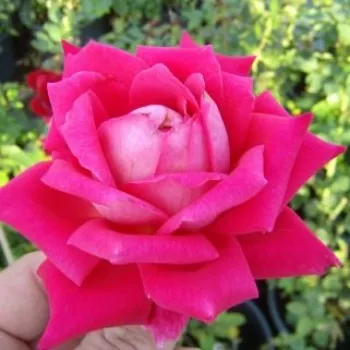
Vivid cyclamen-pink buds open to intense fuchsia-carmine outer petals and paler pink to creamy centres; colour softens to raspberry-rosy tones before fading, with moderate overall colour retention. |
| Fragrance and aroma |
Pleasant, medium-strength tea fragrance noticeable near the plant and in cut stems; primarily ornamental with double blooms that are less accessible for pollinators than single-flowered varieties. |
| Hip characteristics |
Rose hip production generally low due to double flowers; where set, hips are small, spherical and red, around 8–12 mm in diameter, adding light seasonal interest in late season. |
| Resistance and winter hardiness |
Good resistance to black spot, powdery mildew and rust, contributing to low maintenance; hardy approximately to −21 to −18 °C (RHS H7, USDA 6b), suitable for most UK garden conditions. |
| Horticultural recommendations |
Prefers full sun with improved drainage, especially on clay; plant at 50–90 cm depending on hedge or specimen use; water during prolonged dry spells and deadhead to sustain remontant flowering. |
FREIHEITSGLOCKE® offers reliable, tea-scented blooms, strong disease resistance and long-lived own-root stability, making it a thoughtful choice for low-effort structure and colour in a coastal-inspired family garden.