FRÜHLINGSDUFT – cream-yellow wild rose – Kordes
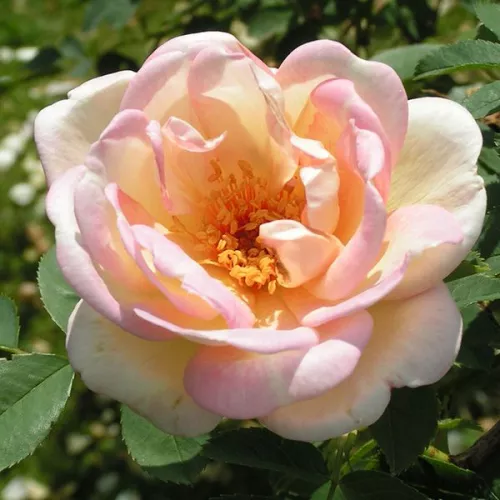
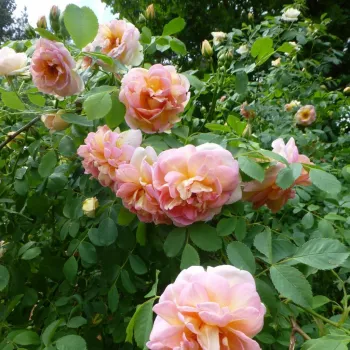
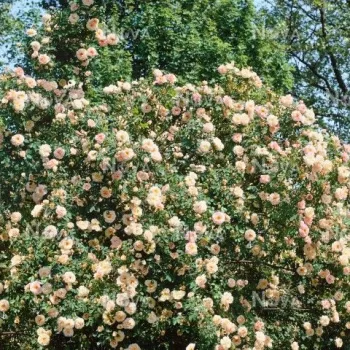
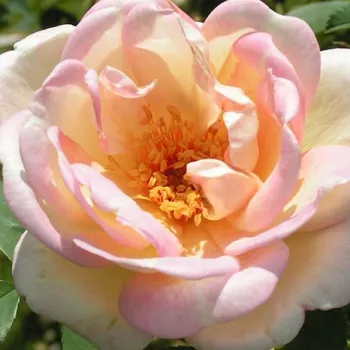
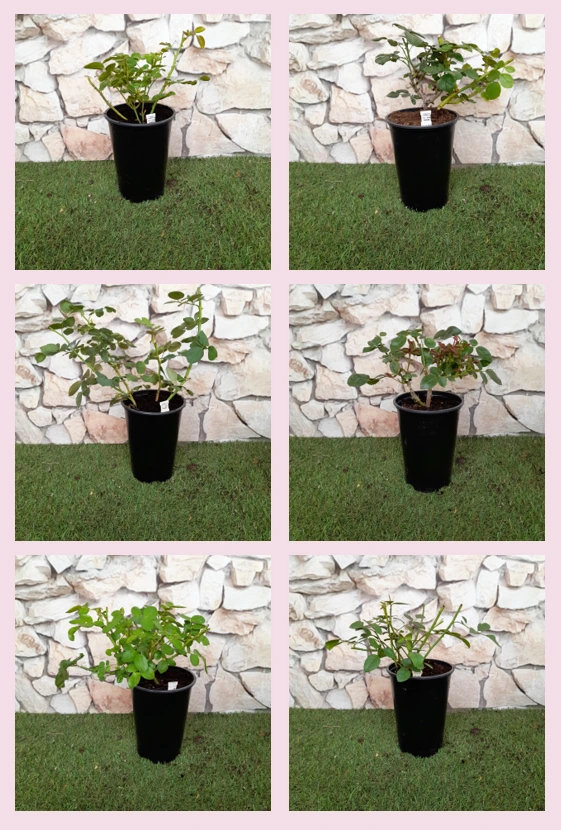
Bring the feeling of coastal refreshment into your garden with FRÜHLINGSDUFT, a tall, arching shrub rose that shrugs off brisk sea breezes and salt-laden air while flowering generously in late spring. Its large, cream-yellow blooms with soft pink edges have a very strong, room-filling fragrance that suits sheltered patios and verandas where you can linger with tea after a beach walk. This own-root shrub is bred for a long, reliable lifespan, building strong roots in year one, taller shoots in year two and impressive ornamental presence by year three, so you enjoy stable beauty with minimal intervention. Dense, matt mid-green foliage creates a natural wind-filter and backdrop, while its once-a-season but abundant flowering makes planning low-maintenance borders straightforward. Good heat and drought tolerance supports UK summers, especially in free-draining coastal soils, and the moderate, “breathable” disease resistance allows reduced chemical input in typical family gardens.
Usage options
| Target area | Reasoning |
|---|
| Coastal veranda wind-filter |
The tall, bushy, arching habit and dense leaves act as a soft green screen, helping to temper salty breezes while still letting light through, ideal beside seating or balustrades for coastal-style lovers. |
| Fragrant terrace centrepiece |
Large, double spring flowers with very strong, classic rose scent make this shrub perfect near doors, patios and seating, offering a single but memorable flush of perfume for busy urban garden owners. |
| Low-maintenance spring hedge |
Its vigorous growth and once-per-season flowering simplify pruning and care; spaced at hedge distance it forms a tall, informal division that needs only occasional shaping for homeowners seeking structure. |
| Own-root long-lived specimen |
Supplied on its own roots, it regenerates well from the base and ages evenly, giving a stable outline and reliable spring display for many years with moderate maintenance for hobby gardeners. |
| Clay-tolerant coastal border |
Once established in a well-prepared, free-draining planting hole, its vigorous roots anchor the plant securely and cope with exposed UK sites that often combine wind, rain and challenging soils for Cornwall and Devon gardeners. |
| Shingle and gravel planting |
Good heat and drought tolerance means it copes well with free-draining, drier coastal gravel or shingle beds when watered in its first seasons, then managed with occasional deep watering for time-poor beginners. |
| “Girly” spring colour scheme |
The soft cream-yellow and pink-tinted blooms pair beautifully with peonies, lady’s mantle or feverfew, creating a romantic, seaside-cottage look with one spectacular spring moment for romantic planting enthusiasts. |
| Pollinator-friendly mixed border |
While double-flowered, its moderately open clusters still attract some bees, so in a mixed planting with other nectar sources it complements a wildlife-aware, lower-spray approach for environmentally conscious gardeners. |
Styling ideas
- Seaside-Veranda Screen – Train FRÜHLINGSDUFT along a low pergola beside a coastal terrace, underplanted with blue Festuca and sea kale to echo dunes – ideal for coastal-style lovers.
- RomanticSpring Hedge – Create an informal hedge with peonies and lady’s mantle at the base for frothy underplanting – perfect for families wanting soft boundaries.
- Tea-Corner Feature – Place a single shrub in a 50–70 litre container by a sheltered seating nook so its fragrance fills your tea-time air – suited to small-garden homeowners.
- ShingleCottage Border – Set against pale gravel with driftwood accents and low lavender, letting its arching stems lean naturally in the breeze – for lovers of relaxed coastal gardens.
- SpringShowcase Bed – Combine with feverfew and pastel perennials in a sunny front garden bed, giving one stunning spring display that needs little fuss later – great for beginner gardeners.
Technical cultivar profile
| Parameter | Data |
|---|
| Name and registration |
FRÜHLINGSDUFT, also listed as Fruhlingsduft; botanical shrub rose within the wild and Hybrid Spinosissima groups, marketed as a botanical rose by Kordes, unregistered as a formal exhibition cultivar. |
| Origin and breeding |
Bred by Wilhelm J. H. Kordes II in Germany from cross ‘Joanna Hill’ × Rosa pimpinellifolia L; introduced by W. Kordes’ Söhne in 1949 and since established as a classic fragrant shrub rose selection. |
| Growth and structural characteristics |
Strong, bushy, arching shrub reaching about 176–275 cm tall with a 128–200 cm spread; dense, matt mid-green foliage, heavily thorned stems and moderate self-cleaning of spent blooms, requiring occasional deadheading. |
| Flower morphology |
Large, flat, double flowers with 26–39 petals, borne in clusters; non-remontant, delivering one abundant main flush in late spring to early summer, creating a seasonal highlight rather than continuous repeat flowering. |
| Colour data and phenology |
Cream-yellow buds open to creamy blooms with buttery centres and pink edges; colour lightens towards cream-white with a delicate pink rim, offering good colour retention through the flowering period before finally paling. |
| Fragrance and aroma |
Notable for a very strong, room-filling scent with a classic rosy character; best appreciated in sheltered spots where the fragrance can accumulate, enhancing terraces, verandas and paths used in the evening. |
| Hip characteristics |
Rose hip production is generally sparse; when present, small spherical hips about 9–15 mm remain green and usually fail to ripen fully, so ornamental value from fruit is limited compared with other shrub roses. |
| Resistance and winter hardiness |
Hardy to approximately −29 to −26 °C (RHS H7; USDA 5a; Swedish Zone 4); tolerates heat well with some drought resilience; moderate resistance to powdery mildew and black spot and good rust resistance. |
| Horticultural recommendations |
Suited to specimen, hedge, pergola or wall-training uses; plant 130–210 cm apart depending on role; tolerates partial shade; prefers well-drained soil with supplementary watering in prolonged dry spells. |
FRÜHLINGSDUFT brings tall, arching spring beauty, very strong fragrance and dependable coastal performance in an own-root form that matures into a long-lived garden feature; consider it if you enjoy a single, memorable spring display.