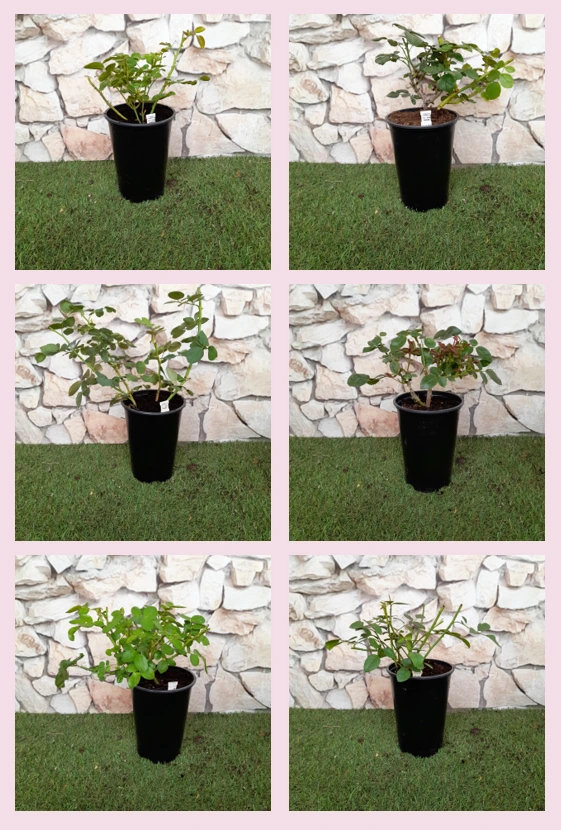
CHÂTEAU DE VAUMARCUS – apricot-orange bedding floribunda rose
Imagine settling with afternoon tea behind a living rose windbreak after a beach walk, as CHÂTEAU DE VAUMARCUS lifts a salty, sunny plot with its apricot glow and medium, sweet-fruity fragrance. This upright, bushy shrub gives a long season of semi-double blooms, their colour shifting from peach-orange to creamy pink, so even a small coastal garden feels quietly romantic. Its proven cold hardiness and strong disease resistance keep maintenance low while the own-root system builds a durable framework over time. In a well-drained bed that copes gracefully with winter rain and brisk coastal gusts, you can expect firm progress – first establishing roots, then stronger shoots, and by the third year a settled, full display.
Usage options
| Target area |
Reasoning |
| Coastal veranda in large containers |
Suited to a breezy veranda when planted in a generous 40–50 litre container, where its upright, bushy habit forms a soft screen for chairs and railings while the medium, fruity fragrance enriches relaxed seaside evenings for the beginner. |
| Small to medium front garden bed |
The compact spread and tall, tidy structure make it ideal for narrow front gardens where you want real impact from the pavement, with waves of colour through the season yet minimal pruning demands for the homeowner. |
| Low, informal wind-filter hedge |
Planted at hedge spacing, the dense foliage and prickly stems knit together into a filtering barrier that softens wind and frames shingle, gravel or lawn edges without the harsh look of hard landscaping for the family. |
| Mixed coastal border with grasses |
Works beautifully among Festuca or other fine grasses, its shifting peach-to-pink flowers adding warmth and movement while coping with damp, heavy soils that need thoughtful drainage in typical coastal rain and wind conditions for the coastal-gardener. |
| Long-season flowering focus near seating |
The remontant habit and plentiful second flush give a long sequence of blooms at nose height, so a bench or small bistro set gains season-spanning colour and scent with only light deadheading for the tea-lover. |
| Own-root “investment” shrub in new gardens |
As an own-root plant, it builds a stable, renewing framework that responds well to occasional cutting back, giving a long-lived, reliable feature that settles in and improves year by year for the planner. |
| Urban courtyard or side return |
In tight, overlooked spaces its vertical habit and dense foliage offer privacy without taking much ground area, while the refined colour blend looks sophisticated against brick, stone or rendered walls for the urbanite. |
| Lightly structured family play garden |
Use it as a soft divider between play lawn and quieter corners; the upright form, glossy foliage and modest hip set keep the look clean yet sheltering, adding a touch of formality without strict lines for the parent. |
Styling ideas
- Sea-breeze border – Combine with blue Festuca and low Lavandula for a hazy, wind-tousled strip along a shingle path – ideal for coastal-style lovers.
- Veranda focus – One or two shrubs in 50 litre tubs flank French doors, giving height, scent and privacy without crowding a compact deck – perfect for busy veranda users.
- Peach-and-lime bed – Underplant with Alchemilla mollis and pale Erigeron for soft, “girly” colour that feels fresh rather than sugary – suited to relaxed cottage-garden fans.
- Structured family hedge – Space in a loose row along a boundary to filter wind and views while keeping enough gaps for light and informal access – good for practical family gardens.
- Courtyard anchor – Plant as a single specimen in a gravel square with sea kale and slate chippings to echo coastal cliffs in a modern, low-upkeep layout – for design-conscious homeowners.
Technical cultivar profile
| Property |
Data |
| Name and registration |
Floribunda shrub rose; registered as Gideb, marketed as CHÂTEAU DE VAUMARCUS – apricot-orange bedding floribunda rose; exhibition name CHÂTEAU DE VAUMARCUS. |
| Origin and breeding |
Bred in Switzerland in 2000 by Alain and Gisèle Tschanz; parentage undocumented; introduced and registered in 2000 as a bed rose for garden and landscape use. |
| Growth and structural characteristics |
Strong, upright, bushy habit with dense, glossy dark green foliage; height typically 130–170 cm, spread 100–140 cm; stems are densely thorned and form a substantial shrub. |
| Flower morphology |
Semi-double, cup to chalice-shaped clusters with 17–25 petals; medium-sized blooms carried singly or in small groups of 1–3 per stem; remontant, with a generous second flush in season. |
| Colour data and phenology |
Warm peach-orange centre fading to pale pink edges; buds deep carmine-red with orange tinge; colour softens to creamy peach and pastel pink with a slight pink-lavender sheen over time. |
| Fragrance and aroma |
Medium-strength, sweet, fruity scent noticeable at close quarters, giving a pleasant aroma around paths and seating; semi-double flowers offer moderate interest for visiting pollinators. |
| Hip characteristics |
Hip set usually light; where present, small spherical hips 13–17 mm across develop, taking on an attractive orange-red colouring but not significantly affecting overall flowering performance. |
| Resistance and winter hardiness |
Rated very hardy to approximately −32 to −29 °C (H7, USDA 4b, Sweden Zone 5); good resistance to black spot, powdery mildew and rust, supporting low-intervention garden care. |
| Horticultural recommendations |
Best in full sun with free-draining soil; suited to beds, parks, hedging or specimen use; allow 110–180 cm between plants depending on hedge or specimen spacing; maintenance needs are generally low. |
CHÂTEAU DE VAUMARCUS offers long-season colour, upright structure and strong disease resistance in a durable own-root form that matures gracefully, making it a thoughtful choice for relaxed coastal and family gardens.