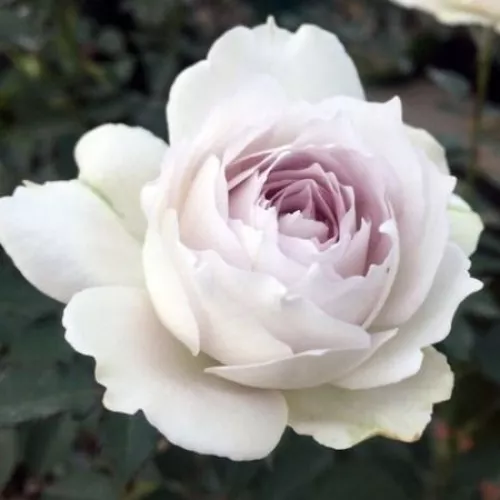
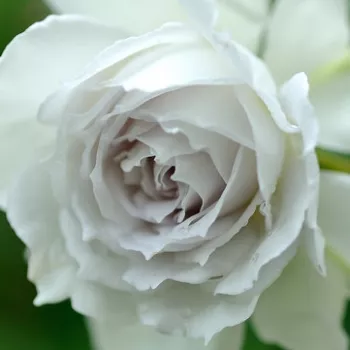
GABRIEL – white-lilac bedding floribunda rose – Kawamoto
Let coastal breezes swirl around ‘Gabriel’ as its softly sweet fragrance drifts across your seating area, creating a feeling of instant refreshment after a day collecting shells in the sun. This compact, bushy floribunda is ideal for UK family gardens and verandas, where dependable flowering and low-input maintenance matter more than complicated pruning. Dense clusters of spherical, white blooms with a powdery lavender centre appear in generous flushes, brightening even small spaces and raised beds. The robust shrub roots firmly and copes well with blustery sites, offering reassuring stability and structure in exposed, windy corners near the coast. In a 40–50 litre container or a narrow flowerbed, its moderate height and spread balance privacy with light, airy structure, pairing beautifully with silver foliage and grasses for a relaxed, seaside mood.
Usage options
| Target area | Reasoning |
|---|
| Coastal veranda container (40–50 litres) |
In a large pot, Gabriel forms a neat, bushy shrub with reliable repeat bloom, making a compact focal point beside outdoor seating while staying manageable to water and deadhead for coastal-style beginners. |
| Sunny flowerbed by a family seating area |
Abundant clusters of spherical, very double flowers give long, showy colour in a modest footprint, so you can enjoy months of blossom close to the terrace without needing a large border or advanced gardening skills. |
| Low front-of-border planting |
Its moderate height and slightly arching habit create a soft, layered edge in front of taller perennials, adding gentle structure that still lets light through to the rest of the bed for design-conscious home gardeners. |
| Salt-tolerant, windy corner of a small garden |
The sturdy framework and dense foliage help anchor exposed spots while the shrub copes with strong sea breezes and occasional salt spray, offering calm, reliable colour in challenging corners for coastal-style lovers. |
| Mass planting along a path or driveway |
Regular, remontant flowering and consistent growth make Gabriel effective in repeated groups, giving a unified, tidy look with simple spacing rules that are easy to follow even for less experienced planners. |
| Feature shrub in a mixed shingle bed |
Set into well-drained, improved soil within shingle, the rose stands out as a bright focal shrub that partners beautifully with drought-tolerant perennials, suiting busy owners who want impact with modest upkeep. |
| Cut flowers from a family garden |
The medium-sized, very double blooms with a soft, sweet scent are ideal for short, informal arrangements, so you can regularly bring fragrant stems indoors without noticeably reducing the garden display for home decorators. |
| Beginner’s first own-root rose |
Gabriel’s low maintenance, good disease resistance and dependable remontant habit make it a reassuring introduction to rose growing, with simple care routines that suit absolute beginners and time-poor gardeners. |
Styling ideas
- Seaside-Veranda Duo – place Gabriel in a 50 litre container with blue-grey Festuca and a pale deckchair for a breezy Cornish veranda look – ideal for coastal-style beginners.
- Shingle-Romantic – weave Gabriel through a shingle bed with sea kale and lavender for a soft, windy-shore mood – perfect for homeowners near the coast.
- Pathway-Drift – repeat small groups of Gabriel along a front path, underplanting with Dianthus plumarius for a scented, easy-care welcome – suited to busy family gardens.
- Pastel-Cut-Corner – pair Gabriel with Anemone ‘Fantasy Belle’ and dwarf asters to create a cutting patch that still feels ornamental – good for hobby florists at home.
- Veranda-Privacy – line a balcony rail with large tubs of Gabriel and low grasses for airy screening without blocking light – helpful for urban flat dwellers.
Technical cultivar profile
| Parameter | Data |
|---|
| Name and registration |
Gabriel – floribunda shrub rose, bedding type; registered as ‘Gabriel’ and marketed as GABRIEL – white-lilac bedding floribunda rose – Kawamoto in the Flowerbed rose collection. |
| Origin and breeding |
Bred by Junko Kawamoto at Kawamoto Rose Garden, Japan; parentage unknown. Introduced and registered in 2008 as a modern floribunda shrub suitable for decorative bedding and container use. |
| Growth and structural characteristics |
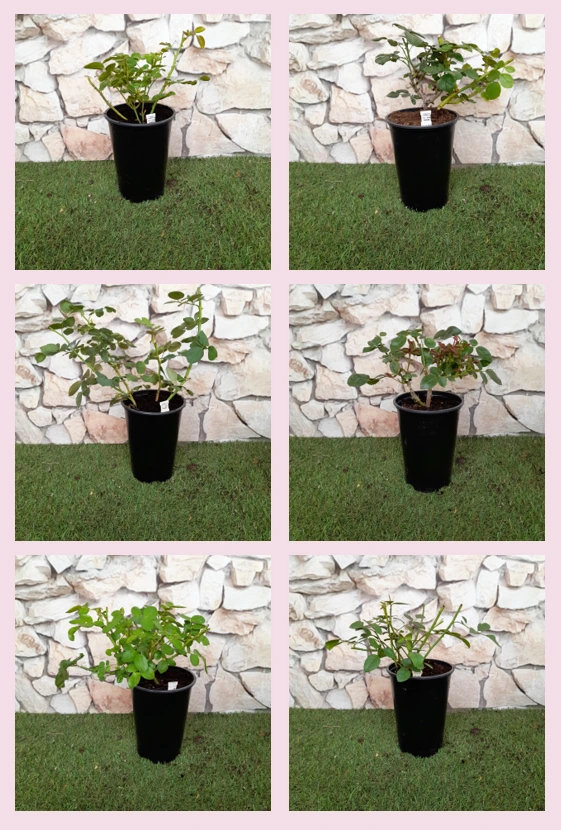
Bushy, slightly spreading shrub with arching flowering shoots; height around 80–120 cm, spread 60–85 cm. Moderately dense, mid-green, lightly glossy foliage and moderate prickliness provide a balanced, robust outline. |
| Flower morphology |
Very double, spherical pompon blooms with more than 40 petals, borne in clusters of medium size. Repeats freely with a notably abundant second flush, though spent flowers benefit from occasional manual removal. |
| Colour data and phenology |
Delicate white blooms with a powdery lavender-grey centre; pastel lilac tones strongest in buds, softening to creamy white as flowers open and fade. Colour lightens in strong sun but maintains a gentle, misty effect. |
| Fragrance and aroma |
Moderate, softly sweet scent noticeable at close range, adding refinement to seating areas and cut arrangements. Dense petalling reduces pollen access, so this is mainly an ornamental rather than pollinator-supporting variety. |
| Hip characteristics |
Hip set generally low because of the very double flowers; where formed, expect small, spherical orange-red hips about 8–12 mm in diameter, offering occasional seasonal interest without being a dominant feature. |
| Resistance and winter hardiness |
Good disease resistance, rated resistant to powdery mildew, black spot and rust. Hardy to approximately –21 to –18 °C (H7, USDA 6b, Swedish Zone 3), suitable for most UK regions in typical garden conditions. |
| Horticultural recommendations |
Prefers a sunny position with improved, well-drained soil; water regularly in containers. Recommended spacing 40–75 cm depending on use, giving around 4–5 plants per m² for bedding and informal low hedging schemes. |
GABRIEL – white-lilac bedding floribunda rose – Kawamoto combines compact structure, long seasonal flowering and low disease-driven maintenance in a durable own-root form, making it a thoughtful choice for relaxed coastal-inspired gardens.