GARTENPRINZESSIN MARIE-JOSÉ ® – pink bedding floribunda rose – Kordes
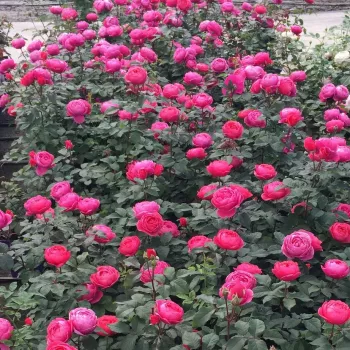
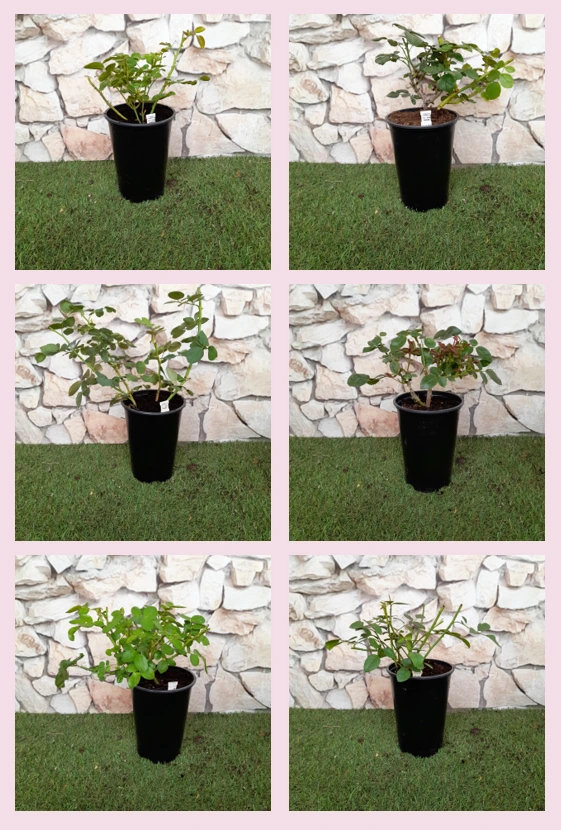
Imagine your coastal veranda framed by clusters of rich raspberry-pink blooms, their very strong perfume drifting on the breeze as you unwind after a day of collecting seashells. Fragrance greets you even in a light Cornish drizzle, while the rose’s robust health shrugs off salt-laden winds and unsettled, heavier soils through dependable root anchoring. This compact, upright shrub stays naturally neat, fitting into smaller beds, shingle strips, and balcony planters without crowding your space. Planted in the easy-to-handle 2‑litre own-root container, it settles quickly and rewards low-input care with generous repeat flushes across the season. Its ADR-certified disease resistance and floribunda-style clusters keep borders colourful with very little intervention, while occasionally decorative hips bring a soft autumn note. Give it a well-drained spot, let the roots establish in Year 1, enjoy fuller shoots in Year 2, and by Year 3 you have a stable, long-lived feature that feels as at home by the sea as you do.
Usage options
| Target area | Reasoning |
|---|
| Small coastal veranda containers |
The compact 70–90 cm height and 40–60 cm spread make this rose ideal for a 40–50 litre pot on a breezy balcony or veranda, where its strong perfume can be enjoyed at nose level by coastal-style beginners. |
| Low-maintenance family beds |
ADR certification and high disease resistance mean minimal spraying or fuss, so typical family beds stay smart with very little work, freeing time for other activities for busy household gardeners. |
| Clay-leaning, exposed plots |
Once established on improved but heavier soils, the upright shrub form and sturdy root system help the plant stand firm and flower reliably even where wind and rain regularly buffet UK seaside owners. |
| Long-season colour borders |
Remontant flowering with abundant second flushes keeps borders lively from early summer well into autumn, extending interest around patios and seating areas valued by colour-hungry homeowners. |
| “Girly” shingle and gravel strips |
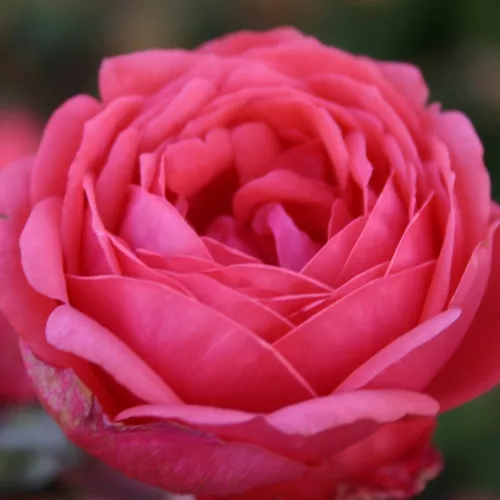
The vibrant raspberry-pink, ball-shaped blooms read clearly against pale shingle and pebbles, creating a soft, feminine focal point that still feels seaside-appropriate for romantic coastal gardeners. |
| Fragrant seating corners |
The very strong, all-day scent makes this cultivar perfect near benches, tea spots, or French doors where fragrance is a key part of the garden experience for scent-focused enthusiasts. |
| Edging and low informal hedges |
Regular clusters of pompon blooms along upright, bushy growth lend themselves to loose edging or low hedges that define paths and lawns without looking rigid for soft-border planners. |
| Maturing, resilient own-root plantings |
Planted as a 2‑litre own-root rose, it builds strong roots in the first year, adds height and branching in the second, and reaches full ornamental presence in the third, rewarding patient long-view gardeners. |
Styling ideas
- Seaside-Tea Border – Combine with sea kale and blue fescues around a small seating area, using the rose’s fragrance and compact habit as the cosy focal point – ideal for veranda relaxation lovers.
- Pink-Shingle Ribbon – Thread a row through pale shingle with low Lavandula and silver foliage, letting the raspberry-pink clusters pop against the stones – perfect for romantic, low-care stylists.
- Wind-Tolerant Pot Pairing – In a 50 litre tub, underplant with trailing thyme and Festuca for a stable, wind-aware container that perfumes steps and balconies – suited to exposed, space-conscious owners.
- Family-Friendly Scent Walk – Line a short path with repeated plants at hedge spacing so children and guests brush past fragrant blooms on the way to the garden – appealing to experience-seeking families.
- Late-Season Glow – Mix with Crocosmia ‘Lucifer’ and pale echinaceas so the rose’s pink pompons and occasional hips carry colour into autumn – attractive to long-season interest planners.
Technical cultivar profile
| Characteristic | Data |
|---|
| Name and registration |
Floribunda bed rose, registered as KORgehaque, marketed as Gartenprinzessin Marie-José ® Parfuma®, with exhibition name Gartenprinzessin Marie-José® in shrub and fragrant rose categories. |
| Origin and breeding |
Raised by W. Kordes & Sons in Germany (breeding year 2005), from ‘Geoff Hamilton’ crossed with an unnamed seedling × ‘KORtocrea’; introduced and registered internationally in 2016. |
| Awards and recognition |
Holder of ADR certification in Germany since 2018 and winner of fragrance prizes at the Kortrijk/Courtrai rose competitions in Belgium in 2017 and 2018, confirming both scent and garden reliability. |
| Growth and structural characteristics |
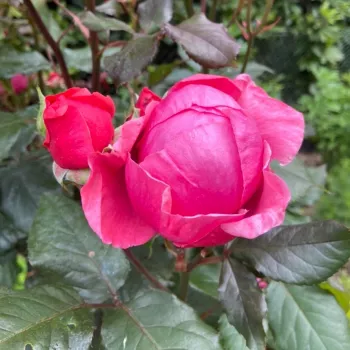
Upright, bushy shrub 70–90 cm tall and 40–60 cm wide, with dense, glossy mid-green foliage and moderate prickliness; forms a well-filled, compact structure suited to bedding, edging, and container use. |
| Flower morphology |
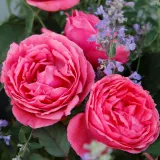
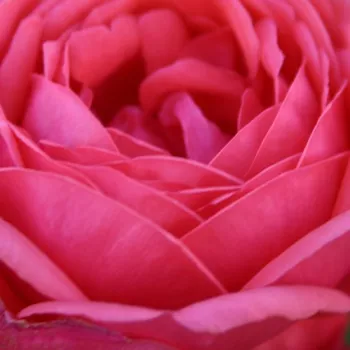
Very double, ball to pompon-shaped medium blooms (about 4–7 cm), produced in clusters on floribunda-style trusses; remontant habit with particularly abundant second flush, though some spent flowers may persist. |
| Colour data and phenology |
Vibrant raspberry-pink flowers, ARS code dp; outer petals RHS 57B, inner 55C, with only slight fading to powder-pink edges as blooms age, giving a stable, saturated pink effect over the flowering period. |
| Fragrance and aroma |
Very strong, clearly noticeable fragrance throughout the day, classed in the Parfuma® collection; densely petalled blooms prioritise ornamental and scent value over nectar access for visiting pollinating insects. |
| Hip characteristics |
Occasional small spherical hips, 8–12 mm across, in orange-red tones, developing where spent blooms are left un-deadheaded; may add a modest decorative accent in late season without compromising garden use. |
| Resistance and winter hardiness |
Good overall resilience, with resistance to powdery mildew, black spot, and rust; reliably hardy to about –21 to –18 °C (RHS H7, USDA 6b, Swedish zon 3) when planted with suitable drainage and mulching. |
| Horticultural recommendations |
Best at 35–45 cm spacing for hedges and beds, or solitary at 75 cm; suitable for beds, edging, containers, and cutting, in full sun or light shade, with regular watering in hot spells and modest feeding. |
GARTENPRINZESSIN MARIE-JOSÉ ® offers compact, fragrant, season-long clusters on a resilient, own-root shrub that matures into a stable, low-maintenance feature; consider it if you want lasting coastal charm with little effort.