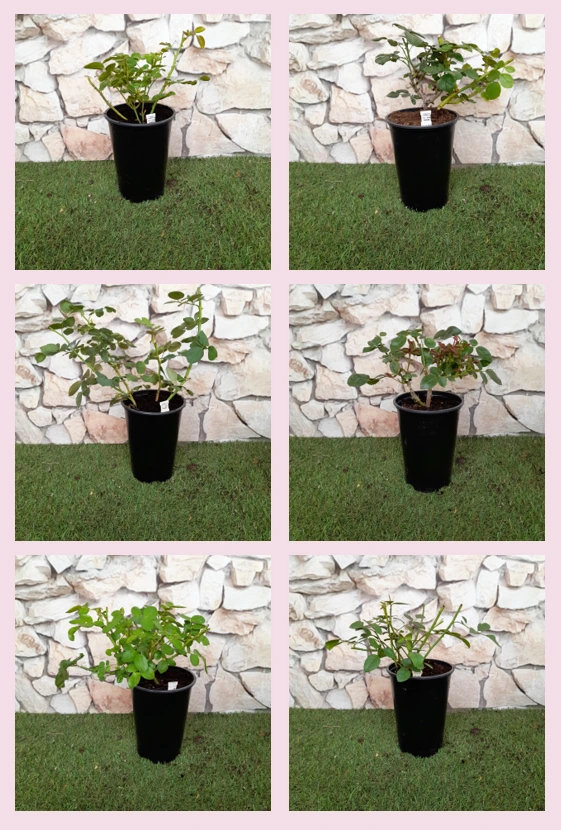
GENÉRAL STEFÁNIK – purple historic perpetual hybrid rose - Böhm
On a breezy Cornish afternoon, GENÉRAL STEFÁNIK brings a sense of coastal refreshment to small family gardens and verandas, its upright, bushy structure forming a natural wind-filter that feels at home where sea air brushes the plants and soil needs careful drainage. This historic hybrid perpetual has a dignified, long-lived character, its own-root origin quietly supporting a lengthy garden life with steady regeneration after harsh winters and occasional seaside gales. Over its first seasons it settles in gradually – roots in year one, stronger shoots in year two, and a mature ornamental presence by around year three – so you can simply watch it grow into its role. Medium-sized, clustered blooms in shifting shades of lilac and crimson-purple with a bluish sheen lend a softly romantic accent, well-suited to “girly” shingle beds alongside sea kale and silvery grasses. Planted in open sun with sensible watering and basic care, it becomes an atmospheric, fragrant companion to evening tea after a day of collecting shells.
Usage options
| Target area |
Reasoning |
| Coastal veranda container (40–60 litre) |
Performs well in a substantial 40–60 litre container where its upright, bushy habit creates height without overwhelming a compact veranda, allowing you to enjoy strong, long-lasting scent in a sheltered spot with simple seasonal pruning – ideal for busy coastal beginners. |
| Feature rose in a small front garden |
Planted as a single specimen, its 120–180 cm height and dense foliage give a classic, upright presence that frames doorways or windows, with once-a-year, richly coloured flowering that feels especially special and suits homeowners who prefer one impressive focal shrub – perfect for time-pressed families. |
| Historic-style mixed flower bed |
Combines gracefully with perennials such as Heuchera and Lychnis, its medium, very full, cup-shaped blooms adding romantic structure and texture that echo traditional cottage planting while still fitting an informal family layout – appealing to heritage-loving gardeners. |
| Park-style strip along a boundary fence |
In a 90–100 cm spacing row, the upright, bushy plants form a loose, flowering screen that softens fencing, with dense foliage helping to anchor the border visually and structurally, even when not in bloom, suiting those planning long, low-maintenance boundaries – suitable for practical-minded owners. |
| Shingle or gravel coastal bed |
Well-suited to free-draining shingle beds where its strong root system and dense canopy cope with breezy conditions and the garden benefits from soil prepared for reliable runoff in prolonged wet and windy spells, supporting those designing understated seaside schemes – reassuring for coastal householders. |
| Romantic seating nook windbreak |
Used near a bench, its 3.9–5.9 ft stature and dense, mid‑green foliage create a light wind-filter rather than a solid wall, giving a more comfortable microclimate and a scented backdrop for morning coffee or afternoon tea – appealing to contemplative outdoor readers. |
| Loose historic hedge in a back garden |
Planted at around 90 cm intervals, its repeat-free but abundant main flush and dense structure create a period-style hedge that offers privacy with character, maturing steadily year by year and rewarding consistent, thoughtful care – attractive to patient rose enthusiasts. |
| Cut-flower corner for special occasions |
The medium-sized, very full blooms with over 40 petals and strong fragrance make memorable, traditional-style cut roses for occasional home-arranged bouquets, encouraging you to grow a modest cutting patch rather than rely on shop-bought stems – ideal for creative home arrangers. |
Styling ideas
- Seaside-Nook – place GENÉRAL STEFÁNIK in a 50–60 litre tub by a sheltered veranda chair with Festuca and sea kale for a breezy, fragrant reading corner – for relaxed coastal veranda users.
- Heritage-Border – mix with Heuchera and Lychnis in a front bed so its historic form and strong scent rise behind softer perennials – for lovers of period-inspired planting.
- Shingle-Romance – set the rose in a gravel strip with pale stone, a small bistro table and simple lanterns, letting its lilac-purple flowers provide the only rich colour – for minimal-maintenance romantics.
- Garden-Gallery – grow it as a single specimen in lawn with a low circle of groundcover Euonymus, turning the shrub into a living sculpture – for homeowners wanting one striking focal plant.
- Family-Cut-Plot – dedicate a corner to two or three bushes spaced widely, with clear access paths for children to help cut scented stems on special days – for families who enjoy home-arranged flowers.
Technical cultivar profile
| Property |
Data |
| Name and registration |
Historical hybrid perpetual bush rose, trade name GENÉRAL STEFÁNIK, also listed as Genéral Stefánik Heritage rose Böhm; unregistered cultivar in official registers but authenticated for premium garden use. |
| Origin and breeding |
Sport selected from the hybrid perpetual ‘Général Jacqueminot’, itself related to ‘La Brillante’; bred by Jan Böhm in Blatná, Czechoslovakia around 1931 and introduced in 1934 via Hazlewood Bros. in Australia. |
| Growth and structural characteristics |
Upright, bushy shrub reaching about 120–180 cm high and 80–130 cm wide, with dense, mid‑green, slightly glossy foliage, moderately thorny stems and weak self-cleaning, so spent blooms often need manual removal. |
| Flower morphology |
Medium-sized, 4–7 cm, very full, cup-shaped blooms carried in clusters; each flower with more than 40 petals, produced in a single main flush rather than repeating, typical of historic hybrid perpetual garden roses. |
| Colour data and phenology |
Deep lilac to crimson-purple with bluish sheen; buds dark purple with glaucous bloom, opening to medium lilac petals, later fading toward dusty lilac and rosy-purple edges; colour may scorch or bluish-shift in strong sun and heat. |
| Fragrance and aroma |
Strong, long-lasting scent representative of traditional hybrid perpetual roses, persisting well on the shrub and after cutting; detailed fragrance notes not formally documented but widely appreciated in heritage plantings. |
| Hip characteristics |
Produces moderate numbers of spherical orange-red hips about 16–24 mm across, which add seasonal interest in late summer and autumn and can be left for wildlife or removed during routine winter pruning. |
| Resistance and winter hardiness |
Very hardy shrub tolerating approximately −32 to −29 °C (USDA 4b, RHS H7), but with moderate susceptibility to powdery mildew and black spot and high sensitivity to rust, requiring attentive monitoring and plant protection. |
| Horticultural recommendations |
Best in full sun with well-drained soil and regular watering in drought; plant at 90–100 cm for rows, up to 180 cm as specimen; plan for routine deadheading, pruning and preventive disease management in most seasons. |
GENÉRAL STEFÁNIK offers a tall, fragrant historic presence with rich purple bloom, dependable cold hardiness and the stable, long-lived performance of an own-root shrub, making it a thoughtful choice for characterful gardens you plan to enjoy for years.