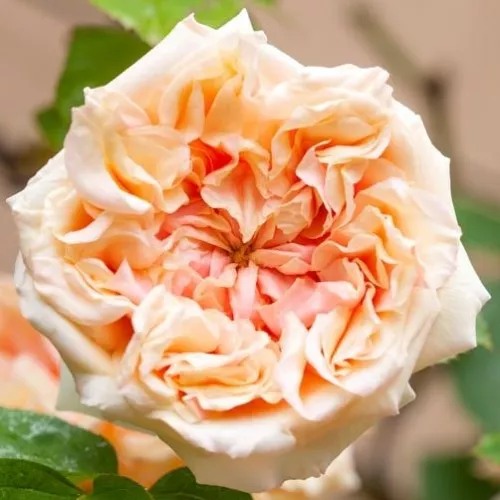
GLOIRE DE DIJON – apricot historic rambler-climbing rose
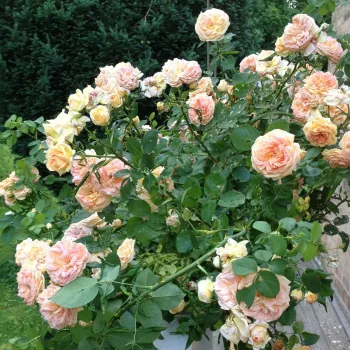
Imagine stepping onto your coastal terrace after a breezy walk, the air still tangy with salt, and being met by a curtain of apricot blooms and a rich, tea‑fruity fragrance. Gloire de Dijon is a classic rambler‑climber that settles calmly into British family gardens, coping well with brisk seaside weather while still delivering a romantic, old‑world display. Its flexible growth makes it ideal for clothing pergolas, arches and veranda balustrades, where you can sit with a cup of tea, sheltered by its softly coloured petals. This historic rose is surprisingly reliable for modern, lower‑maintenance planting, combining good disease resistance with a long flowering season and impressive longevity. As an own‑root plant, it builds strength steadily – roots in the first year, more shoots in the second, and a full show by the third – giving you a lasting, easygoing companion for your shingle or clay‑improved coastal borders.
Usage options
| Target area | Reasoning |
|---|
| Clothed veranda or balcony windbreak |
Trained along railings or a light trellis, this rose forms a scented screen that softens sea breezes without demanding intricate pruning. Its manageable vigour and long flower clusters create a calming sense of enclosure for coastal-style veranda owners and beginners. |
| Small family garden pergola |
In average suburban plots, Gloire de Dijon can be guided over a pergola to add height and shade without taking over the whole garden. Its historic charm, combined with remontant blooming, rewards light annual tying‑in and deadheading for busy hobby gardeners. |
| Warm, sheltered coastal wall |
South- or west-facing house walls in milder UK regions suit this variety well, where brick or stone give extra warmth and protection. Here it anchors securely into improved soil and handles strong onshore winds and salt-laced showers for coastal home owners. |
| Romantic arch over a narrow path |
Its long, pliable canes can be arched overhead to create a fragrant tunnel, even in tight side passages. Repeating flushes of double flowers in soft apricot tones add drama and privacy with little more than an annual tidy, ideal for time-pressed urban residents. |
| Feature rose in a shingle or gravel strip |
Planted into well-prepared pockets within shingle or gravel, this rose offers a soft, feminine focal point alongside silvery drought-tolerant companions. Deepening roots year by year stabilise both plant and surface, suiting low-input coastal-style garden lovers. |
| Large container on a sunny terrace |
In a 40–50 litre or larger pot, with good drainage and regular watering, Gloire de Dijon can be fan-trained against a screen to bring heritage character to patios. Own-root resilience supports long-term performance for busy but design-conscious patio owners. |
| Mixed historic rose and perennial border |
Used as a back-of-border climber, it weaves through shrubs and tall perennials, adding vertical interest and period charm without constant spraying. Good baseline disease resistance supports a more relaxed regime for eco-aware family garden planting. |
| Cottage-style coastal front garden |
Combined with sea kale, ornamental grasses and lavender, this rose links the house to a windswept, maritime feel while staying welcoming and soft. Its enduring character and own-root stamina promise a long-lived feature for coastal cottage-style beginners. |
Styling ideas
- Veranda-Curtain – Train stems along slim wires across a balcony front for a soft, scented screen that filters sea breezes – perfect for coastal veranda owners craving privacy without heaviness.
- Shell-Path Arch – Create a rose arch over a shingle or shell path, underplanting with sea kale and Festuca for a beachy, “after-seashell-hunt” mood – suited to families who enjoy playful, romantic routes.
- Sunset-Pergola – Let Gloire de Dijon drape from a pergola beam, teamed with lavender and soft grasses for evening tea spots – ideal for hobby gardeners wanting drama with minimal fuss.
- Heritage-Wall – Fan-train it on a warm brick wall, linking historic apricot blooms with Ceanothus and Rudbeckia for colour depth – for those who love traditional charm in compact front gardens.
- Harbour-Pot – Grow one plant in a 50 litre tub with free-draining compost and a simple obelisk, echoing harbour railings – a solution for renters or balcony users seeking movable romance.
Technical cultivar profile
| Parameter | Data |
|---|
| Name and registration |
Historic Noisette / rambler-climber rose marketed as Gloire de Dijon; an unregistered but long-established cultivar widely recognised in collections and exhibitions worldwide. |
| Origin and breeding |
Bred by Pierre and Henri Jacotot in Dijon, France around 1850 from ‘Desprez à fleurs jaunes’ × ‘Souvenir de la Malmaison’; introduced by Jacotot nurseries in 1853. |
| Awards and recognition |
Honoured in the World Federation of Rose Societies Old Rose Hall of Fame (1988) and granted the Royal Horticultural Society Award of Garden Merit in 1993 for garden performance. |
| Growth and structural characteristics |
Strong climbing growth reaching 3.8–6.5 m in height and 1.2–2.4 m spread, with moderately dense, slightly glossy dark green foliage and moderate thorniness; best grown with firm support. |
| Flower morphology |
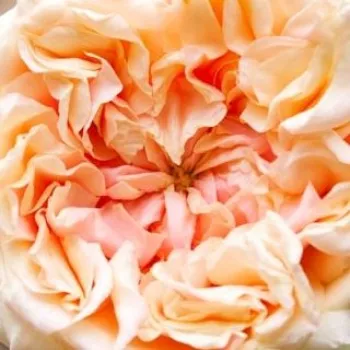
Large, very double rosette blooms with more than 40 petals, borne in clusters. Flowers are remontant with an abundant second flush, giving an extended season on established plants. |
| Colour data and phenology |
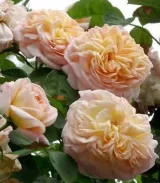
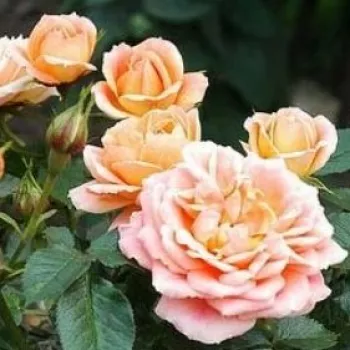
Soft creamy-peach blooms deepening to rosy apricot at petal bases; buds open golden-apricot and gradually fade towards ivory and pastel peach, especially in strong sun and hot conditions. |
| Fragrance and aroma |
Very strong, garden-filling tea-fruity fragrance reminiscent of classic tea roses with rich, warm notes. Scent intensifies in still, warm weather and is noticeable even at a short distance. |
| Hip characteristics |
Produces orange-red, ellipsoidal hips around 9–15 mm across, moderately set after flowering. Hips add a discreet seasonal accent but are not the primary ornamental feature of the plant. |
| Resistance and winter hardiness |
Shows good overall disease resistance, with noted tolerance to powdery mildew, black spot and rust. Hardy to approximately −15 to −12 °C (RHS H6), suitable for most mild UK regions. |
| Horticultural recommendations |
Best on warm, sheltered supports such as walls, arches or pergolas, in well-drained but moisture-retentive soil. Responds to annual tying-in, selective thinning and deadheading to prolong bloom. |
Gloire de Dijon combines romantic apricot clusters, powerful fragrance and adaptable climbing growth with the stamina of an own-root plant, making it a lasting, easy-care choice for walls, arches and verandas you may wish to enjoy for years.