GOLDBEET – yellow bedding floribunda rose - Noack
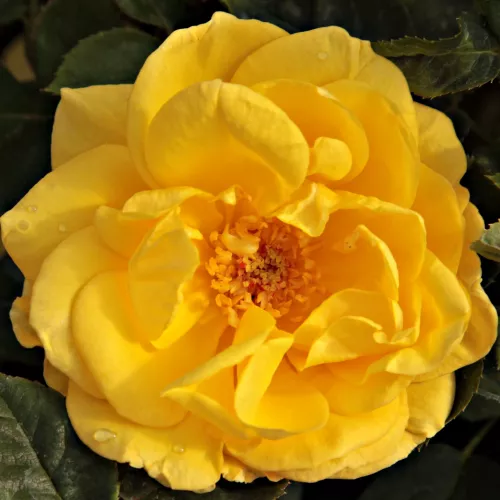
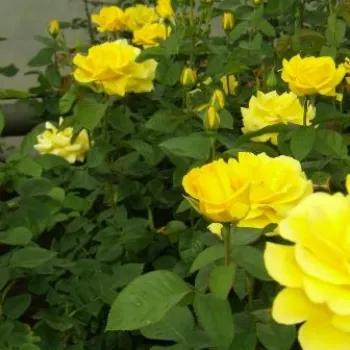
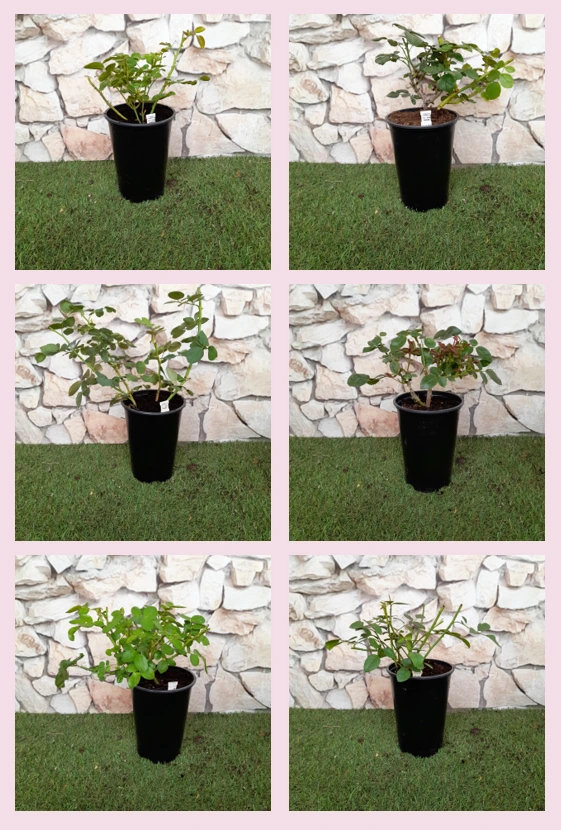
Imagine returning from a breezy walk on the beach, sitting down for tea behind a gentle rose windbreak, while clusters of golden blooms glow against shingle and pots on your veranda. GOLDBEET brings a relaxed, low-fuss look to small family gardens and sheltered coastal corners where the soil is heavy yet well managed for drainage and secure anchoring in wind-exposed spots. Its bushy, medium-tall habit builds into an easy-care, season-long screen of colour that does not demand expert pruning, just simple tidying. The semi-double flowers open in lively clusters, then gently pale from strong yellow to soft lemon, keeping borders bright even when the sky is grey. Because it is supplied as a robust own-root plant in a 2‑litre container, GOLDBEET is primed for years of steady regrowth and reliable longevity with only modest attention, settling in step by step as roots establish, shoots build up, and by the third year the shrub shows its full ornamental presence.
Usage options
| Target area | Reasoning |
|---|
| Coastal veranda containers (40–60 litre pots) |
In large containers, GOLDBEET’s bushy frame and floribunda clusters create a sheltered niche for tea on breezy days, while roots are protected from waterlogging and you can manage feeding easily on a small paved space – ideal for the coastal-style veranda owner who wants seasonal colour without complex tasks for the beginner. |
| Small front gardens and path edging |
The compact, edging-friendly habit suits narrow front gardens, providing a neat, mid-height line of flowers that softens driveways and paths without overwhelming the space, and the consistent yellow tones give a clear, cheerful structure – a reassuring choice for time-pressed homeowners. |
| Mixed family borders with perennials |
Planted among low grasses, herbs and perennials, its repeat-flowering clusters weave warm yellow through the season, supporting a relaxed, “girly coastal” palette while the semi-double blooms still offer some forage for insects – a good fit for wildlife-aware garden hobbyists. |
| Small informal hedge or visual screen |
A run of GOLDBEET along a boundary creates a semi-open hedge, giving privacy for play or seating areas yet remaining light and airy; the consistent height and branching make it easier to keep tidy with basic annual pruning than many larger shrubs – practical for busy garden families. |
| Shingle and gravel planting near the coast |
Planted into well-prepared pockets in shingle or gravel, its strong root system and bushy top help it sit securely, and you can direct watering efficiently in dry spells while enjoying vivid colour that stands out against pale stone and seaside tones, supporting that sense of salty, windy, sunny relaxation for coastal-loving gardeners. |
| Own-root long-term feature rose |
The own-root form means that, once settled, the plant can regenerate from its base after tough winters or pruning, staying true to type without graft suckers, and building up into a stable, long-lived clump that keeps ornamental value with relatively little intervention – helpful reassurance for cautious rose beginners. |
| Low-maintenance seasonal colour for busy schedules |
With medium care needs, GOLDBEET responds well to straightforward watering and occasional pest checks rather than intricate routines; the remontant flowering habit supplies repeated flushes of yellow so you see clear reward from simple attention – well suited to time-poor urban balcony and patio owners. |
| Weather-resilient family bed in exposed gardens |
In open, breezy spots, the dense foliage and branching help it stand up to typical British rain and wind, especially where the soil is improved for good drainage and firm rooting, giving a reliable, colourful presence through changeable weather that supports relaxed outdoor time for coastal-veranda style households. |
Styling ideas
- Coastal Border Drift – Combine GOLDBEET with sea kale, Festuca and pale pebbles for a shingle-style strip that echoes Cornish and Devon shores – ideal for coastal-style enthusiasts seeking low-fuss structure.
- Sunny Veranda Trio – Plant one GOLDBEET in a 50‑litre pot flanked by lavender and rosemary tubs to create a fragrant, wind-filtering nook for afternoon tea – perfect for balcony and veranda owners.
- Golden Family Edge – Line a path with spaced GOLDBEET plants underplanted with Heuchera to soften the edge while keeping access clear – suited to families wanting tidy, bright routes to the front door.
- Relaxed Mixed Bed – Thread GOLDBEET through grasses and soft perennials so its yellow clusters pop among textures, giving interest from spring to autumn – appealing to hobby gardeners who like informal borders.
- Neighbour-Friendly Screen – Use a short run of GOLDBEET along a low fence to add colour and discreet screening without creating a solid wall – good for small-plot owners who value both privacy and light.
Technical cultivar profile
| Property | Data |
|---|
| Name and registration |
Floribunda bedding rose marketed as GOLDBEET – yellow bedding floribunda rose - Noack; ARS exhibition name Goldbeet; part of the Bedding rose collection, bush rose (exhibition floribunda) type. |
| Origin and breeding |
Bred by Werner Noack, Noack Rosen, Steinfurth, Germany; introduced in 1974 with parentage unknown; developed as a robust floribunda bed rose for mass planting and garden use in temperate European climates. |
| Growth and structural characteristics |
Bushy shrub reaching about 120–180 cm in height and 100–150 cm spread, with dense, mid-green, slightly glossy foliage and moderate thorns; builds a full, leafy structure suited to beds, edging and informal low hedging. |
| Flower morphology |
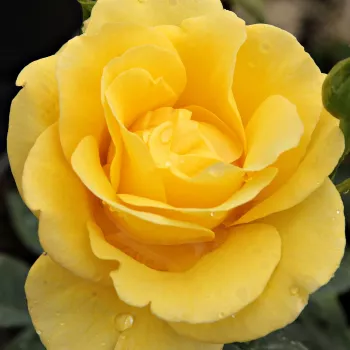
Semi-double, cup-shaped cluster-flowering blooms with 13–25 petals, small in size (around 0.5–1.5 in); remontant with abundant second flowering, producing repeated decorative clusters through the main growing season. |
| Colour data and phenology |
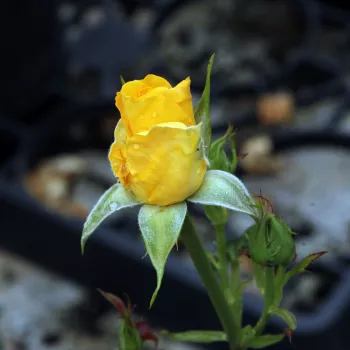
Radiant golden-yellow flowers (RHS 14A/14B) opening deep and bright, then fading through mid-yellow to pale lemon with almost cream edges; colour retention moderate, giving a soft, evolving yellow display over time. |
| Fragrance and aroma |
Very weak, barely perceptible scent with a soft, neutral character; chosen more for its visual impact and bed effect than for perfume, suiting gardeners prioritising colour and structure over strong fragrance. |
| Hip characteristics |
Occasionally sets small rose hips, approximately 0–6 mm in diameter; hips are not a prominent ornamental feature and typically play only a minor role in the garden display of this floribunda. |
| Resistance and winter hardiness |
Hardy to about −21 to −18 °C (RHS H7, USDA 6b, Swedish zone 3); disease resistance moderate for mildew, black spot and rust; needs regular watering in prolonged heat and benefits from basic preventive care. |
| Horticultural recommendations |
For beds, edging or containers; allow about 120 cm for mass planting, 110 cm for hedging or 200 cm as a specimen; partial shade tolerant; in containers, use at least 40–50 litres and ensure consistent watering. |
GOLDBEET offers reliable golden clusters, a bushy screening habit and steady repeat flowering on a practical own-root plant, making it a thoughtful option for long-lived, easy-going colour in family and coastal-style gardens.