HANSESTADT LÜBECK® – red bedding floribunda rose - Kordes
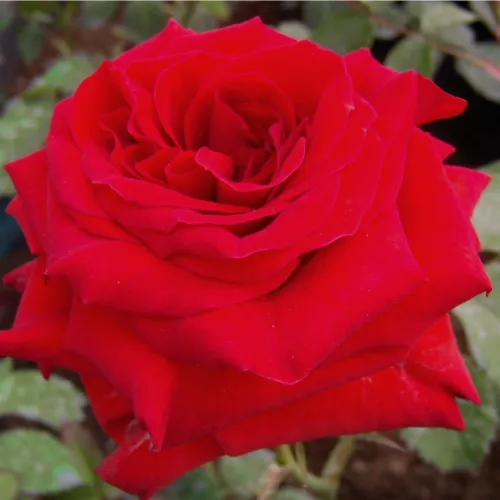
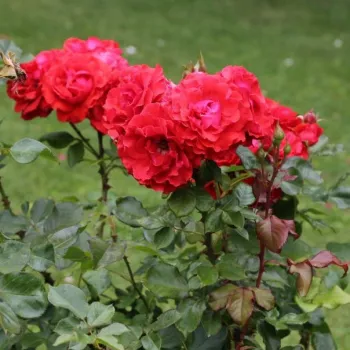
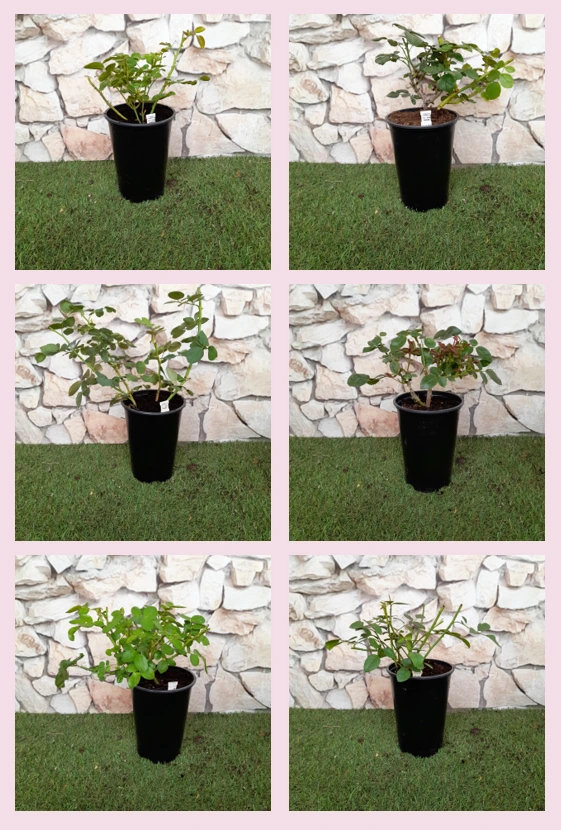
Imagine sitting with afternoon tea on your coastal veranda, this deep-red HANSESTADT LÜBECK® floribunda giving a calm, velvety backdrop while it quietly copes with brisk breezes and salt spray in well-drained beds that manage heavier soils and good water management. This upright, moderately dense shrub stays compact enough for family gardens yet offers generous clusters of blooms over a long season, so you can enjoy colour from the first flush right through the autumn without complicated pruning routines. As an own-root rose it establishes patiently, with roots in the first year, stronger shoots in the second and full ornamental value by the third, rewarding a little early care with long-lived stability, dependable regrowth after coastal winds and an impressively steady display. In a 40–50 litre container or a shingle bed it anchors securely, working just as well as a low hedge as it does as a single feature by a bench or veranda step, and its semi-double flowers offer moderate pollinator appeal while their self-contained character keeps the look neat for busy gardeners seeking understated coastal elegance.
Usage options
| Target area | Reasoning |
|---|
| Compact coastal veranda in Cornwall or Devon |
In a sheltered, sunny veranda corner this upright floribunda gives a stable, long-lived structure that copes calmly with onshore breezes and occasional salt spray in well-drained, heavier soils, suiting those who value dependable garden stability for the busy coastal homeowner. |
| Family garden flower bed near the patio |
The moderate height and tidy outline work well beside everyday seating, offering a long flowering season with relatively simple deadheading and no specialist pruning, ideal when you want repeat colour without learning complex maintenance for the time-pressed family gardener. |
| Medium-sized bed rose border with other perennials |
Clustered stems fill a border rhythmically without overwhelming smaller companions, so you can weave it among perennials and grasses for continuous, deep-red accents while the overall care routine stays straightforward for the relaxed hobby gardener. |
| Low informal hedge along a garden path |
Planted at hedge spacing, the upright habit and regular branching form a low, visually solid line that guides movement through the garden while remaining manageable in height, offering structure with modest pruning needs for the practical path designer. |
| Large container on a sheltered balcony or terrace |
In a 40–50 litre container this rose anchors securely without becoming leggy, giving vertical interest and colour where soil is limited, while own-root resilience supports gradual thickening rather than short-lived display for the space-conscious balcony owner. |
| Coastal-style shingle or gravel planting |
Set into free-draining shingle with sea kale or Festuca, its deep-red clusters contrast beautifully with silvery foliage, and its moderate maintenance suits low-input, breezy front gardens near the sea for the coastal-style enthusiast. |
| Pollinator-supporting mixed border |
The semi-double blooms offer accessible centres that attract some bees while still giving a lush, floribunda effect, so you can balance wildlife interest with formal bedding looks in a small back garden for the ecology-minded beginner. |
| Long-term feature plant in a modest front garden |
As an own-root shrub it builds up gradually, regrowing well from lower buds and maintaining ornamental value over many years, making it a thoughtful, enduring choice where you want a single reliable focal point for the forward-planning homeowner. |
Styling ideas
- Shingle Serenity – Plant among sea kale, Festuca and pale pebbles to echo a Cornish beach palette with deep-red highlights – ideal for coastal-style veranda owners who prefer relaxed, low-fuss structure.
- Patio Focus – Use one or three plants near garden seating where the long flowering season keeps colour close to eye level – suited to families who want impact without complex pruning knowledge.
- Ruby Ribbon – Line a front path at hedge distance to create a low, red-flowering border that remains easy to manage – perfect for homeowners wanting neat definition with modest effort.
- Balcony Anchor – Grow a single plant in a 40–50 litre pot with trailing thyme or low lavender to soften the edge while the rose provides height and stability – for balcony gardeners seeking dependable structure.
- Pollinator Pockets – Mix with Brunnera and wallflowers so semi-double blooms sit among nectar-rich companions, balancing formality and wildlife support – attractive for beginners developing a small, friendly border.
Technical cultivar profile
| Parameter | Data |
|---|
| Name and registration |
Hansestadt Lübeck® is a floribunda bed rose, exhibition category shrub rose, also known as Lübeck; an unregistered variety used in gardens and landscapes under its trade name. |
| Origin and breeding |
Bred by Reimer Kordes at W. Kordes’ Söhne in Germany, with parentage unknown, introduced in 1960 through Kordes and Samuel McGredy & Son for wider European distribution. |
| Growth and structural characteristics |
Upright shrub reaching about 100–140 cm in height and 65–95 cm spread, with moderately dense, slightly glossy mid-green foliage and moderate prickliness suited to bed or hedge use. |
| Flower morphology |
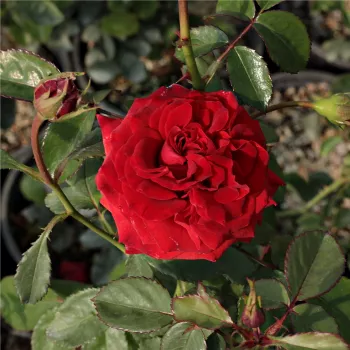
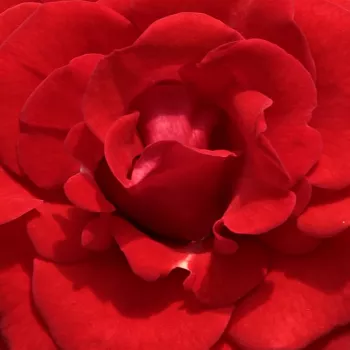
Semi-double, cup-shaped blooms with approximately 13–25 petals, medium-large in size, borne in clusters of 3–7 per stem, remontant with a generous second flush in suitable conditions. |
| Colour data and phenology |
Rich, velvety deep-red flowers (RHS 46A–46B) opening scarlet and deepening to burgundy, then fading towards brick-mahogany tones, giving a dynamic, seasonally evolving colour display. |
| Fragrance and aroma |
Fragrance is very weak, with only a barely perceptible classic rose scent, making it best chosen for visual effect and bedding schemes rather than for strongly perfumed plantings. |
| Hip characteristics |
Forms moderate quantities of small, 8–12 mm, egg-shaped hips in orange-red tones, adding subtle seasonal interest without dominating the plant’s overall garden appearance. |
| Resistance and winter hardiness |
Hardy to approximately −21 to −18 °C (RHS H7, Swedish zone 3, USDA 6b) with medium disease resistance; generally resistant to powdery mildew and rust, with moderate black spot susceptibility. |
| Horticultural recommendations |
Best in a sunny position with good drainage; spacing from 50–90 cm depending on use, and roughly 3.2–3.7 plants/m² for mass plantings, with moderate maintenance and occasional pest or disease checks. |
HANSESTADT LÜBECK® offers long-season deep-red colour, compact upright structure and resilient own-root longevity, making it a thoughtful choice for small coastal-style gardens and verandas you plan to enjoy for many years.