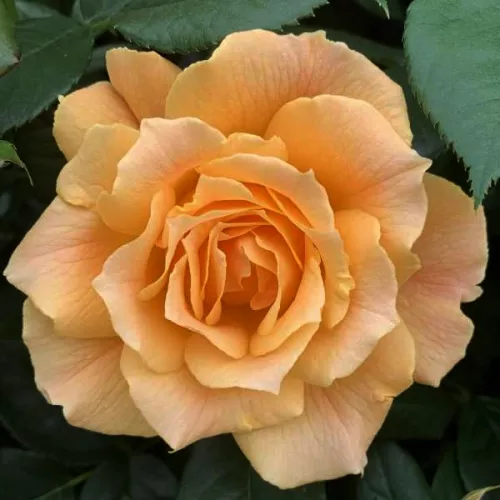
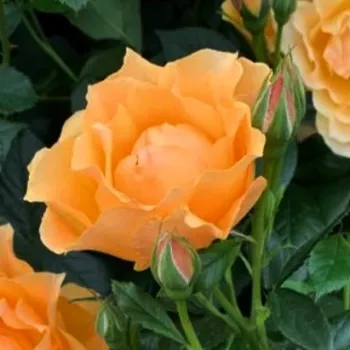
HENRIETTA BARNETT – yellow bedding floribunda rose - Harkness
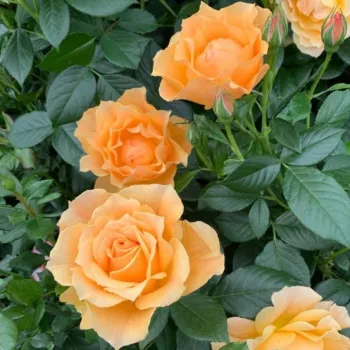
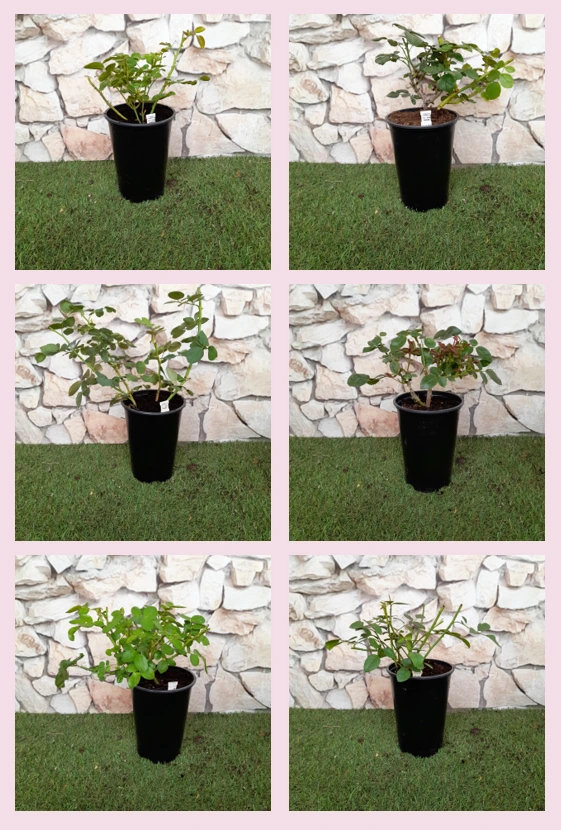
Imagine returning from the shore to a sheltered corner of your garden, where clusters of amber blooms glow like late-afternoon sun against glossy foliage and carry a strong, myrrh-like fragrance. Henrietta Barnett settles quickly into typical UK beds and small coastal plots, coping calmly with brisk breezes and damp spells while its roots anchor securely in well-prepared soil, even where drainage has needed thoughtful improvement. In a 2-litre own-root form, it is easy to handle and forgiving, quietly building strength below ground before rewarding you above, so that by the third season it reveals its full ornamental character. Medium maintenance in practice simply means an occasional check for common problems and a light seasonal tidy, well within reach for beginner and time-poor gardeners. Compact yet upright growth keeps paths and seating areas usable, the clusters of double flowers colouring borders, low hedges and large pots through the main season, then giving way to small red hips for autumn interest. With no graft union to worry about, this own-root plant naturally renews from the base, supporting long-term resilience and steady performance in a family garden.
Usage options
| Target area |
Reasoning |
| Coastal veranda in Cornwall or Devon |
Compact, upright growth and medium height make this floribunda ideal for sheltering a seating nook from sea breezes without overpowering tight spaces. In a 40–50 litre container it develops a stable root system that copes with blustery, damp conditions in exposed coastal spots, matching the needs of relaxed, time-limited beginners. |
| Small family front garden bed |
Its modest 65–95 cm height and 50–70 cm spread suit narrow borders along drives or paths, delivering sunny amber-yellow clusters that stay neat and contained. Own-root vigour supports a long-lived planting that can be refreshed by simple pruning rather than replacement, a reassuring choice for budget-conscious home-owning families. |
| Low flowering hedge along a path |
Planted at 50 cm intervals, the upright habit and dense foliage quickly knit into a low hedge that guides the way to your door or terrace. Cluster-flowering stems ensure a repeat display, giving rhythm and structure without complex clipping, attractive for those who like order in the garden but prefer low-key maintenance. |
| Mixed border with sea kale and grasses |
The warm yellow and peachy tones blend beautifully with bluish sea kale and fine Festuca or other ornamental grasses, creating a soft, coastal palette. Repeated flushes of very double blooms extend interest through summer while the glossy foliage acts as a calm backdrop, suiting design-minded coastal-style enthusiasts. |
| Large container on a sunny balcony or terrace |
In a 40–50 litre pot, this rose remains tidy yet generous with flowers, ideal where ground planting is limited. The own-root system gradually fills the container, supporting steady top growth and making it easier to recover from any winter damage, an appealing prospect for urban container-gardening newcomers. |
| Season-long colour near outdoor seating |
Remontant flowering with an abundant second flush brings a long run of colour just where you pause for tea, from early clusters through to late-season blooms. The strong, spicy myrrh-like scent drifts in still air, adding a sensory layer that rewards those who truly use and enjoy their outdoor rooms. |
| Wildlife-friendly family garden corner |
While the densely petalled flowers offer limited access for pollinators, the autumn display of small red hips adds seasonal interest for children and birds alike. The hips decorate the shrub after flowering has passed, extending ornamental value into the colder months for nature-curious household occupants. |
| Beginner’s first dedicated rose bed |
Medium care needs and moderate disease resistance mean this variety fits well into a straightforward routine of watering in dry spells, occasional deadheading and winter pruning. Starting from a manageable 2-litre plant, it spends the first year rooting, the second building top growth, and by the third offering full display, reassuring cautious first-time planters. |
Styling ideas
- Seaside-Tea Corner – Place in a pair of 50 litre tubs flanking a bistro set, underplanted with low catmint for a breezy, coastal feel – ideal for veranda relaxers.
- Amber-Ribbon Border – Run a curving line of plants along a lawn edge, interspersed with Mexican daisy to soften the front – suited to small-garden stylists.
- Sunset-Mosaic Bed – Combine with blue Festuca and pale gravel mulch to echo shingle beaches and evening light – perfect for coastal-theme lovers.
- Family-Harvest Strip – Use as a short hedge by a path where children can watch hips form after flowering – attractive to nature-focused households.
- Porch-Welcome Trio – Group three in large containers by the front door for scented, repeat colour that frames arrivals – convenient for busy homeowners.
Technical cultivar profile
| Parameter |
Data |
| Name and registration |
Floribunda bed rose registered as HARmaxim, marketed as Henrietta Barnett – yellow bedding floribunda rose – Harkness; ARS exhibition name Henrietta Barnett for shrub rose displays and listings. |
| Origin and breeding |
Bred by Philip Harkness of Harkness Roses, United Kingdom, with parentage not recorded; introduced in 2007 by Harkness Rose Company as a bedding floribunda for garden and landscape use. |
| Growth and structural characteristics |
Compact, upright shrub reaching about 65–95 cm in height and 50–70 cm spread, with dense, mid-green, glossy foliage and moderate prickliness, forming a tidy, well-branched structure for beds and containers. |
| Flower morphology |
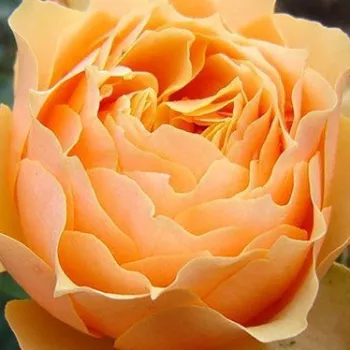
Very double, cup-shaped flowers with more than 40 petals, medium in size and borne in clusters. Remontant, with a generous second flush that maintains colour and form over an extended flowering season in average gardens. |
| Colour data and phenology |
Warm amber-yellow with peach tones; bud and outer petals bright yellow, inner petals amber-yellow, softening to creamy yellow with peach flush as they age; ARS YB; RHS 12B outer, 14A inner, with noticeable fading at end of bloom. |
| Fragrance and aroma |
Strong, well-scented rose with a distinct spicy, myrrh-like fragrance and honeyed impression; valued particularly for perfume in close-up settings such as seating areas, entrances and frequently used garden paths. |
| Hip characteristics |
After flowering, it can form numerous small, spherical red hips about 6–10 mm in diameter, adding decorative late-season interest and complementing autumn foliage and seedheads in mixed planting schemes. |
| Resistance and winter hardiness |
Hardy to approximately −21 to −18 °C (RHS H7, Swedish zone 3, USDA 6b). Shows generally moderate resistance to powdery mildew, black spot and rust, with routine monitoring and timely basic care recommended. |
| Horticultural recommendations |
Suited to beds, borders and large containers; plant 60 cm apart for masses, 50 cm for low hedges, 100 cm as specimens. Accepts partial shade; choose free-draining soil, water regularly in dry spells and prune annually. |
Henrietta Barnett brings compact structure, rich amber-yellow clusters and a strong, spicy fragrance in a durable own-root form that matures steadily over the years, making it a thoughtful choice when planning your next long-lived rose.