HIMMELSAUGE – carmine-red historic old garden rose - Geschwind
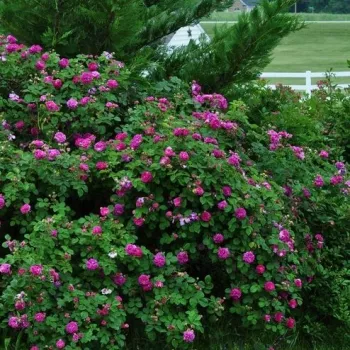
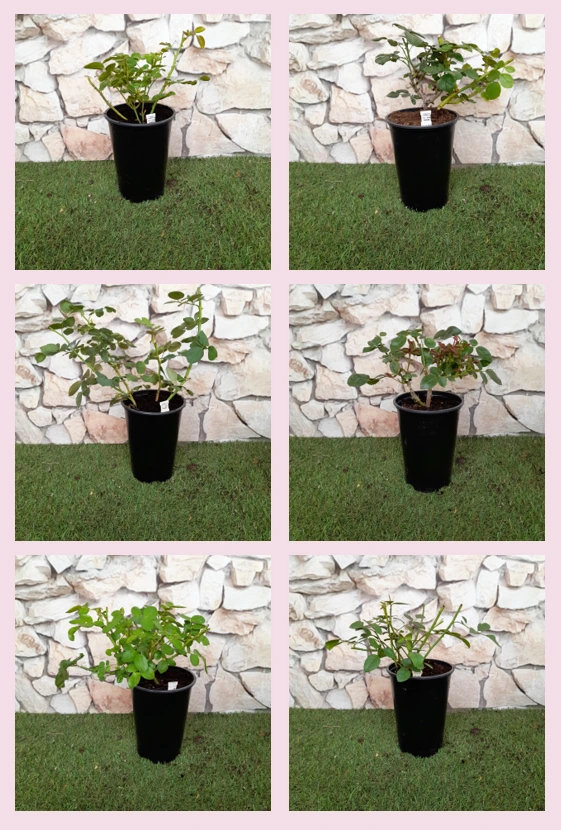
Bring a sense of coastal romance to your garden with ‘Himmelsauge’, a tall, climbing historic rose that thrives where breezes are brisk and salt-laced air meets stable, well-managed drainage and anchoring in heavier soils. Its vigorous growth quickly clothes pergolas, fences or verandas in deep carmine-red blooms, while the strong, sweet-spicy fragrance drifts like sea air through your seating areas. Once-flowering in early summer, it offers a spectacular seasonal display with self-cleaning clusters that reduce deadheading. On its own roots it forms a long-lived, resilient framework that regenerates reliably from the base, giving you lasting structure with less fuss. In year one it concentrates on roots, year two on taller shoots, and by year three it reveals its full ornamental character and historic presence, ideal for busy gardeners who still want a dramatic climbing rose.
Usage options
| Target area | Reasoning |
|---|
| Coastal veranda windbreak |
The tall, climbing habit forms a living screen that softens wind and filters views around decks or verandas, echoing traditional seaside gardens while coping well with breezier, exposed corners in family plots by the sea for the coastal gardener. |
| Pergola over seating area |
Its vigorous growth and once-a-year massed flowering create a shaded, flower-laden arbour with strong, sweet-spicy scent for summer tea or evening relaxation, turning a plain pergola into a seasonal destination for the busy homeowner. |
| Training into a small tree |
The flexible, long canes and moderate foliage density allow you to fan and tie the rose into the crown of a sturdy tree, giving height, colour and scent without occupying extra ground space for the space-conscious gardener. |
| Historic-style boundary fence |
Planted at the recommended wider spacings, it develops into a traditional, informal flowering barrier that suits period houses and cottage-style coastal plots while providing privacy with minimal pruning for the heritage enthusiast. |
| Feature rose in heavy clay soil |
Own-root plants adapt gradually to more challenging, moisture-retentive soils where good preparation improves drainage, helping the rose to anchor deeply and maintain stable growth over many years for the practical planner. |
| Low-maintenance rose tunnel |
The self-cleaning tendency means many spent blooms drop on their own, so a simple summer tidy and annual training is often enough to keep arches or tunnels looking impressive for the time-poor gardener. |
| Long-term family garden structure |
As an own-root historic climber, it builds a durable woody framework that can be renewed from basal shoots after hard pruning or weather damage, preserving the planting scheme for decades for the long-view owner. |
| Semi-shaded house wall |
Suitable for partial shade, it performs well on walls that get only part-day sun, where its deep carmine-red flowers and strong fragrance still make an impact, helping difficult aspects to earn their place for the beginner gardener. |
Styling ideas
- Clifftop-Cottage Pergola – let ‘Himmelsauge’ drape over a timber pergola with Festuca grasses and sea kale below for a salty, breezy look – ideal for coastal romantics.
- Veranda Curtain – train along cables at the edge of a covered deck so flowers hang at eye level above shingle tubs of Nepeta and Lavandula – perfect for tea-on-the-terrace households.
- Old-Garden Boundary – space plants along a rustic fence with meadow cranesbill and Salvia nemorosa at the base for a soft historic hedge – suited to period and cottage-style homes.
- Tree-Garland Look – weave the canes through the lower branches of a small ornamental tree, underplanted with loose grasses for movement – appealing to creative gardeners wanting height without clutter.
- Courtyard Focal Wall – use a single plant as a tall accent on a warm wall beside a bistro set, surrounded by gravel and pots, to bring drama to compact spaces – designed for urban and small-garden owners.
Technical cultivar profile
| Parameter | Data |
|---|
| Name and registration |
‘Himmelsauge’ is a historic Hybrid Setigera climbing rose, classed as an old garden rose, long used in historical collections; it remains unregistered yet is traded under its traditional, widely recognised name. |
| Origin and breeding |
Bred by Rudolf Geschwind in Austria and introduced in 1893, this cultivar derives from Rosa setigera crossed with Rosa rugosa var. plena, combining a robust framework with richly coloured, very double blooms. |
| Growth and structural characteristics |
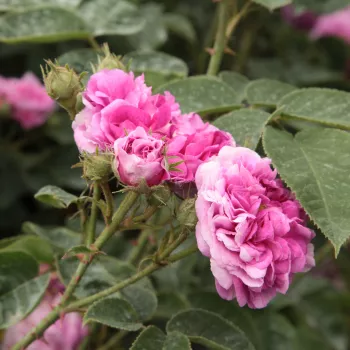
Strong climbing habit reaching around 4–6 m high with a 2.5–4.5 m spread; canes are relatively pliable, foliage is moderately dense and grey-green, and the plant is notably sparingly armed with thorns. |
| Flower morphology |
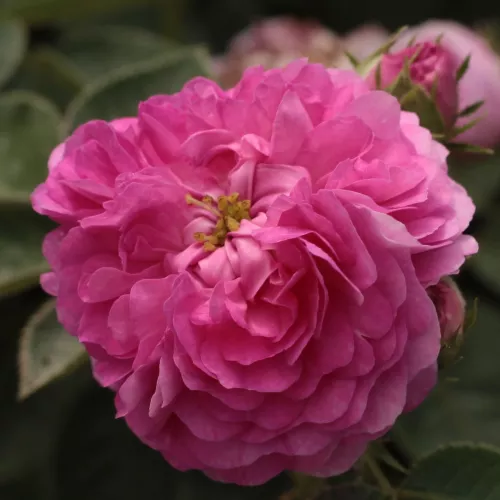
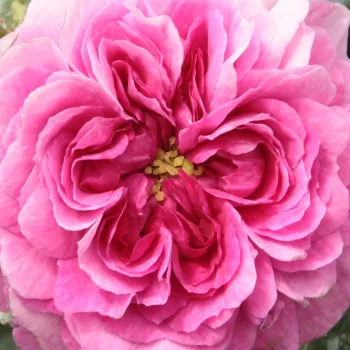
Medium-sized, very full, cupped flowers with more than 40 petals appear in clusters once per season; blooming is concentrated in a single, impressive main flush that clothes the plant generously in early summer. |
| Colour data and phenology |
Flowers open bright carmine red with a purplish shimmer, deepen to crimson-violet, then age through bluish-purple tones; colour lightens in strong sun yet retains a romantic, deep red impression throughout bloom. |
| Fragrance and aroma |
Produces a strong, distinctive perfume combining sweet and spicy notes that is clearly noticeable around seating areas; while primarily ornamental, the fragrance embodies the character of classic historic climbing roses. |
| Hip characteristics |
Due to the very double flower form, hips are few; where formed, they are small, spherical, orange-red and about 6–10 mm in diameter, adding a modest decorative element late in the season. |
| Resistance and winter hardiness |
Hardy to approximately −32 to −29 °C (USDA 4b, RHS H7), with medium resistance to black spot, powdery mildew and rust; appreciates regular watering in prolonged drought and benefits from basic preventive care. |
| Horticultural recommendations |
Best on supports such as pergolas, fences, walls or trained into trees; allow generous spacing, improve clay soils, and use containers of at least 40–50 litres if pot-grown to ensure root stability and long-term vigour. |
Himmelsauge offers dramatic historic height, strong fragrance and self-renewing, long-lived own-root growth, making it a rewarding choice for creating atmospheric coastal-style structures with reassuringly low ongoing demands.