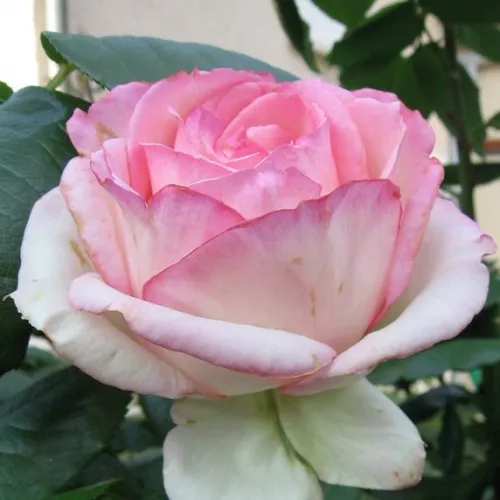
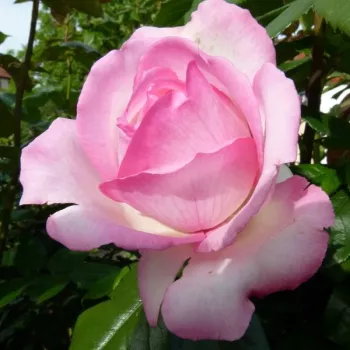
HONORÉ DE BALZAC® – cream‑white with pink‑edged petals hybrid tea rose - Meilland
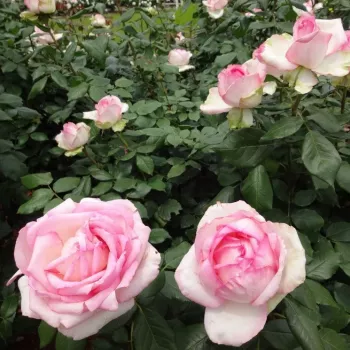
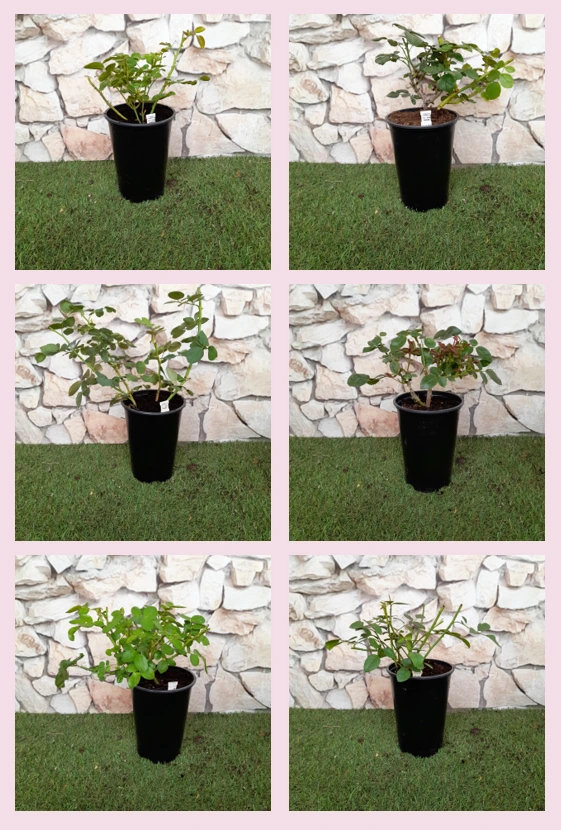
Imagine stepping back from a blustery beach walk to sip tea behind a fragrant windbreak, where creamy blooms, edged in blush, move gently in the salt‑laden air. HONORÉ DE BALZAC® is a compact, upright rose that suits small coastal gardens and sheltered verandas, anchoring itself well while managing moisture in challenging soils and breezy sites. Its very full flowers appear in reliable flushes from early summer, offering a long season of bloom with only moderate maintenance. Own‑root plants settle in steadily for a long lifespan, regenerating well if cut back or weather‑battered. Over time you can expect a quiet development arc – roots in the first year, stronger shoots in the second, and full ornamental value by the third. In partial shade or sun, the dense, glossy foliage frames the flowers beautifully, and the subtly peachy fragrance adds a refined note to relaxed, coastal‑style gardens.
Usage options
| Target area | Reasoning |
|---|
| Small coastal flower bed near a veranda |
Compact, upright growth and dense foliage make this rose ideal where space is tight but you still want a structured presence and repeated flowering through the season, especially for those seeking low‑fuss summer colour for busy veranda owners |
| Salt‑tolerant, slightly sheltered windbreak line |
Planted in a staggered row, the bushy habit and strong framework help slow sea breezes, while careful soil preparation supports drainage and anchoring in exposed, moisture‑challenged spots along the coast for coastal garden beginners |
| Feature rose in a 40–50 litre container |
In a large pot on a sunny, sheltered terrace, the regular remontant flowering and moderate care needs provide a long display with simple watering and feeding routines, without complex pruning requirements for time‑pressed homeowners |
| Romantic “girly” mixed border with soft perennials |
The cream‑white and pink‑edged blooms pair beautifully with silver foliage and pastel companions, creating a light, feminine look that stays elegant rather than showy through the main garden season for lovers of refined romance |
| Cut‑flower corner in a family garden |
Large, very full, spherical blooms on upright stems are perfect for cutting, so a small dedicated patch can supply vases indoors without compromising the overall look of the main borders for home floristry enthusiasts |
| Part‑shade side garden near the house |
This variety tolerates partial shade, keeping good structure and flowering where other roses might sulk, making use of side passages or east‑facing strips that rarely feel truly sunny for practical small‑plot gardeners |
| Long‑term “anchor” planting in a front garden |
The own‑root form supports a long lifespan and steady recovery from pruning or harsh weather, so the shrub can mature into a reliable, low‑drama focal point at the front of the house for planners who think in decades |
| Coastal shingle bed with grasses and resilient perennials |
Set among sea kale, Festuca and Lavandula, the shrub’s manageable height, remontant flowering and need for reasonable but not fussy care bring soft colour to breezy, free‑draining plantings near the sea for stylish coastal‑style fans |
Styling ideas
- Veranda retreat – Place in a 50‑litre container with pale gravel mulch and a low bench to enjoy repeated blooms and gentle scent – ideal for busy veranda owners.
- Shell‑pink border – Combine with soft grasses and pale Agastache for a feminine, wind‑tousled look – suited to coastal romantics.
- Front‑door focus – Use as a single specimen by the path, underplanted with lavender for structure and easy care – perfect for low‑maintenance entrances.
- Cutting strip – Line a narrow bed with several plants at 60 cm spacing for regular cut flowers – for households who love home‑grown bouquets.
- Shingle drift – Thread plants through sea kale and Festuca in a free‑draining shingle bed to soften hard coastal lines – for design‑conscious seaside gardeners.
Technical cultivar profile
| Parameter | Data |
|---|
| Name and registration |
Hybrid tea rose from the Romantica® collection; registered as MEIparnin, marketed as HONORÉ DE BALZAC®; ARS exhibition name Honoré de Balzac; commercial tea hybrid type. |
| Origin and breeding |
Bred by Alain Meilland, France, 1995, from (Marion Foster × Ave Maria) × Lancôme; introduced after 1998 by Meilland International and Conard‑Pyle in several markets. |
| Awards and recognition |
Holder of a Saverne Silver Medal (1992) and ADR Recommendation in Germany, indicating proven garden performance under comparative trial conditions. |
| Growth and structural characteristics |
Compact, upright shrub around 85–115 cm tall and 60–80 cm wide, densely thorned with mid‑green, glossy foliage, forming a well‑filled, bushy plant suitable for beds and specimens. |
| Flower morphology |
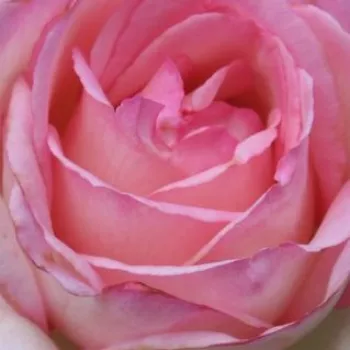
Very full, large, spherical pompon blooms with over 40 petals, typically borne in clusters; remontant habit with a particularly abundant second flush in suitable conditions. |
| Colour data and phenology |
Cream‑white flowers with delicate carmine‑pink edging; buds show stronger pink tips, colouring softens towards milky white in heat, while cooler weather intensifies the pink margins. |
| Fragrance and aroma |
Mild, subtly peach‑toned fragrance; primarily ornamental rather than for perfume use, offering a gentle scent close up rather than a strong garden‑filling aroma. |
| Hip characteristics |
Hip set is generally sparse due to the very double blooms, though occasional small spherical orange‑red hips, around 10–14 mm in diameter, may develop late in the season. |
| Resistance and winter hardiness |
Rated H7 and USDA Zone 6a, tolerating about −23 to −21 °C; medium resistance to black spot, powdery mildew and rust, with good heat tolerance given regular watering in drought. |
| Horticultural recommendations |
Best at 50–100 cm spacing depending on use; thrives in well‑drained soil with regular deadheading and occasional plant protection; suitable for beds, hedging, specimens and cutting. |
HONORÉ DE BALZAC® offers compact, repeat flowering, a long own‑root lifespan and reliable coastal performance in pots or beds, making it a thoughtful choice for relaxed, enduring garden planting.