INGRID STENZIG – pink bedding polyantha rose - Hassefras
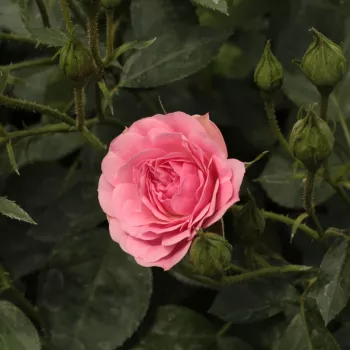
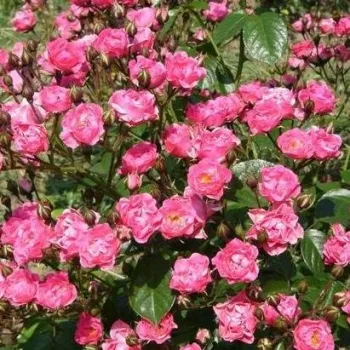
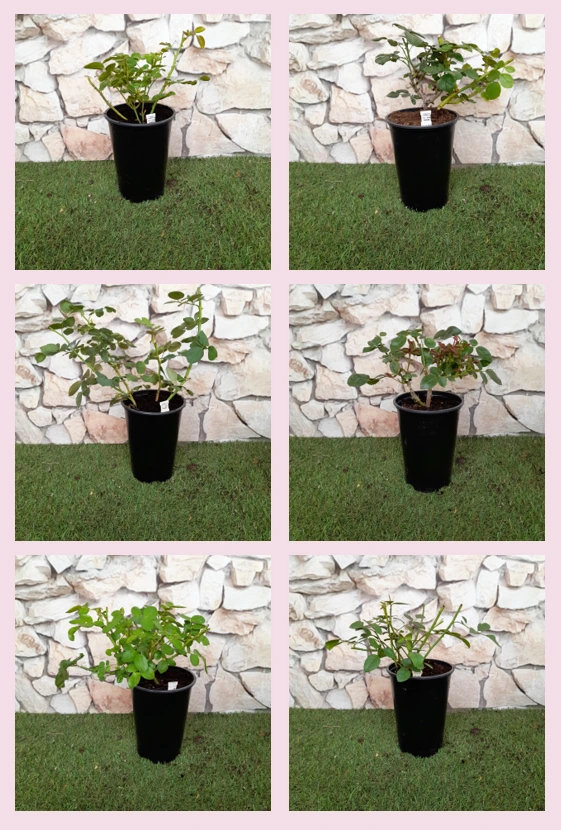
Along a breezy Cornish veranda or by a Devon shingle path, INGRID STENZIG settles in as a compact, reliable windbreak, its deep pink pompon blooms softening salt-tinged light with effortless elegance. This low, bushy polyantha is ideal where space is limited, thriving in modest beds, edging and generous containers, while its own-root stamina gives long-term garden continuity. You can expect a gentle rhythm: roots in the first year, stronger shoots in the second, then full ornamental value by the third, turning a simple seating corner into a calm coastal retreat. Medium self-cleaning and remontant flowering keep it looking fresh through the season, and its moderate hardiness and resilience cope well where soils need careful drainage and exposure brings regular gusts of sea air.
Usage options
| Target area | Reasoning |
|---|
| Small coastal flowerbed by a seating area |
The naturally compact, bushy habit creates a low, neat presence that will not overwhelm a small plot, yet still delivers strong colour at eye level when you sit with a cup of tea after a beach walk. Ideal for beginners |
| Edging along a shingle or gravel path |
Dense, glossy foliage and closely spaced plants form a defined edging line that reads clearly against pale shingle, while the modest height ensures paths remain open and easy to walk without snagging clothing. Suits coastal-style homeowners |
| Container on a sheltered coastal veranda |
Its shallow, fibrous root system adapts well to life in a large pot, provided you choose at least 40–50 litres to buffer wind and salt, giving a long-lived, moveable accent you can rotate or re-arrange with the seasons. Designed for busy veranda-owners |
| Low-maintenance family border in mixed planting |
Remontant flowering with a good second flush keeps colour returning through the season without constant deadheading, so a family border stays cheerful even when weekly gardening time is limited. Perfect for time-poor gardeners |
| Coastal garden with wind and exposed conditions |
The compact framework and dense foliage offer a modest buffer to breezes and benefit sites where regular wind and salt-laden air demand sturdy, low silhouettes rather than tall, top-heavy roses. Helpful for weather-battered plots |
| Front-of-border accent with reliable colour |
The deep pink pompon clusters open in succession, fading through softer tones to a silvery blush, giving long visual interest from the same stems and tying together pastel or grey-leaved companions. Attractive to colour-conscious plant-lovers |
| Easy-care rose for new or returning gardeners |
As an own-root plant, it establishes steadily and can regenerate from its base after pruning or minor damage, building a durable framework that rewards light, regular care rather than specialist rose expertise. Reassuring for cautious beginners |
| Family garden with seasonal wildlife interest |
Semi-double flowers offer moderate appeal to passing pollinators, then set small red hips in autumn, adding a subtle wildlife and textural dimension without creating messy, oversized fruit clusters. Appealing to nature-aware families |
Styling ideas
- Shingle-rimmed tea corner – Plant INGRID STENZIG in a loose triangle beside a small bistro set on gravel, pairing with sea kale and low Festuca for a salty, airy feel – ideal for relaxed veranda-users
- Pink shell edging – Line a path with close-spaced plants, mulched in pale shingle to echo seashell tones and highlight the deep pink blooms – for lovers of tidy, feminine borders
- Container harbour – Give one plant a 50-litre clay pot with good drainage, underplanting with trailing thyme to soften the rim and perfume summer evenings – suited to balcony and terrace gardeners
- Soft coastal mix – Combine with blue-grey grasses, sea kale and white verbena in a front border, using the rose’s compact mass to anchor lighter, swaying companions – for fans of naturalistic seaside schemes
- Family-friendly wildlife strip – Create a low strip along lawn or fence, mixing the rose with lavender and small campions to offer colour, scent and modest pollinator and hip interest – appealing to child-centred gardens
Technical cultivar profile
| Parameter | Data |
|---|
| Name and registration |
Polyantha bedding rose marketed as INGRID STENZIG – pink bedding polyantha rose - Hassefras; ARS exhibition name ‘Ingrid Stenzig’; unregistered cultivar, verified authenticity for garden use. |
| Origin and breeding |
Sport of ‘Orange Triumph’ raised by Hassefras Bros., Netherlands, bred and introduced around 1951, with early distribution through Bobbink & Atkins in the United States for wider garden planting. |
| Growth and structural characteristics |
Low, bushy habit 30–45 cm high and 35–50 cm wide, well-branched with dense, glossy dark green foliage and moderate prickliness, forming compact, even bedding or edging lines in suitable positions. |
| Flower morphology |
Semi-double, ball to pompon clusters on short stems, 13–25 petals per bloom, small-flowered yet produced in generous, repeated trusses that give a fine-textured, detailed effect in bedding schemes. |
| Colour data and phenology |
Deep pink ARS DP, RHS 55B outer, 55C inner; buds dark and velvety, opening vivid and slightly paler at edges, then lightening to pale, subtly silvery pink as flowers age in successive remontant flushes. |
| Fragrance and aroma |
Very weak, barely perceptible fragrance with a slightly sweet character; not selected for scent, so best chosen where colour, compact form and repeat flowering are the primary design requirements. |
| Hip characteristics |
Produces moderate quantities of small, spherical red hips 4–6 mm in diameter, adding discreet late-season interest without significantly weighing down stems or demanding additional maintenance in autumn. |
| Resistance and winter hardiness |
Hardy to around −21 to −18 °C (RHS H7, USDA 6b, Swedish zone 3) with moderate resistance to black spot, mildew and rust; performs well with sensible watering and hygiene in typical UK conditions. |
| Horticultural recommendations |
Suitable for bedding, edging, parks, containers and standards; prefers well-drained soil, regular watering in dry spells, partial shade tolerance, and planting at 25–45 cm spacing depending on desired density. |
INGRID STENZIG offers compact bedding structure, long-season colour and quiet wildlife interest in a durable own-root form that rewards gentle care over many years; a thoughtful choice for relaxed coastal-inspired gardens.