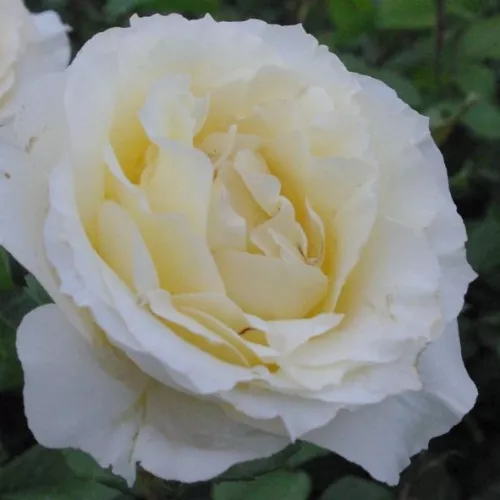
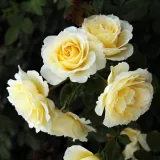
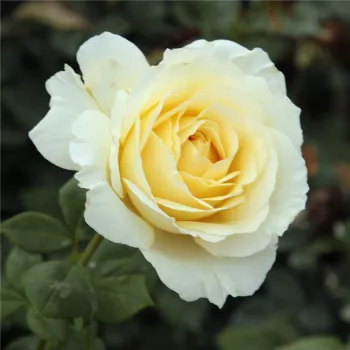
IRIS HONEY – cream-coloured hybrid tea rose
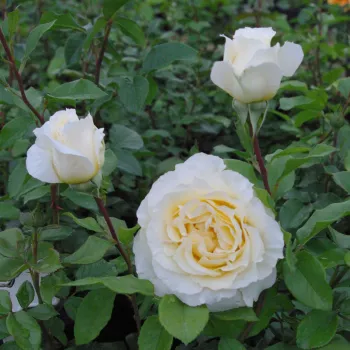
Imagine stepping onto your coastal veranda for afternoon tea, sheltered from the breeze yet still catching the tang of the sea air, as IRIS HONEY brings soft, creamy blooms and gentle fragrance to your view. This hybrid tea rose has an upright, bushy habit that is easy to place in smaller family gardens, giving you elegant, florist-style flowers without demanding care routines. Planted into well-drained soil, it copes calmly with blustery days and damp Atlantic weather, quietly building strong roots, then sturdy shoots, before delivering its full ornamental presence over the next few summers. The double, ball-shaped flowers open a warm butter-cream then fade to a pearly, translucent white, an effect that pairs beautifully with shingle, sea kale and silvery grasses for a light, salty, windy, sunny mood. Grown on its own roots, it settles securely, matures steadily and recovers well after pruning, supporting a long-lived, low-input border or veranda display. With good disease resistance and a mild rosy scent best appreciated up close, IRIS HONEY offers relaxed, lasting elegance for coastal-style gardens.
Usage options
| Target area | Reasoning |
|---|
| Small coastal border near a seating area |
The compact, upright, bushy habit fits neatly into narrow borders by patios or verandas, giving a structured “backbone” without overpowering the space, ideal where you want a tidy look with minimal pruning for beginners. |
| Feature rose in a coastal-style shingle bed |
Its creamy, butter-yellow to pearly white blooms read clearly against shingle or pale gravel, echoing seashell tones and tying together sea kale, Festuca and other coastal plants, suiting those curating a calm seaside palette for coastal-lovers. |
| Low-maintenance family front garden |
With low maintenance needs and good disease resistance, IRIS HONEY works well where you prefer to water and deadhead occasionally rather than spray or fuss, giving reliable flowering for busy-owners. |
| Cutting patch beside a vegetable or utility area |
The medium-sized, double, florist-like blooms on upright stems are ideal for cutting, bringing subtle fragrance and cream tones indoors, attractive for home gardeners who enjoy arranging their own bouquets as hobby-florists. |
| Anchor plant in a mixed perennial border |
The dense, light green foliage and bushy structure help visually stabilise borders and cope with typical British wet and windy spells, providing a steady framework among perennials for structure-seekers. |
| Large container on a sheltered veranda |
In a 40–50 litre pot with good drainage, IRIS HONEY becomes a stable, long-term container rose, its own-root form supporting steady regeneration and ornamental value over years for veranda-gardeners. |
| Long-lived specimen in a family back garden |
Own-root growth means the plant develops from a strong base, with roots first, then top growth, then full flowering effect, giving a durable, easily rejuvenated specimen for long-term-owners. |
| Low-chemical, “breathing garden” concept bed |
High resistance to powdery mildew, black spot and rust supports a low-intervention, low-chemical approach, even in damp, breezy coastal districts where foliage is often challenged, particularly valuable for eco-minded. |
Styling ideas
- Shingle-Chic Border – Plant IRIS HONEY in a light gravel or shingle strip with sea kale and blue Festuca for a relaxed, Cornish-beach feel – ideal for coastal-style veranda owners.
- Cream & Lavender Row – Line a path with IRIS HONEY interplanted with aromatic Lavandula for soft colour contrast and easy care – suited to hobby gardeners wanting structure with little upkeep.
- Elegant Cutting Nook – Combine IRIS HONEY with Salvia nemorosa and yarrow hybrids in a small cutting corner – perfect for those who like to bring home-grown, subtle arrangements indoors.
- Family Front Focus – Use one or three IRIS HONEY as a simple, repeat motif in the front garden with low grasses – good for busy families seeking neatness without complex planting plans.
- Container Calm – Place IRIS HONEY in a 40–50 litre pot with pale, rounded pebbles as mulch – appealing to balcony and veranda gardeners wanting a long-lived, easy focal point.
Technical cultivar profile
| Aspect | Data |
|---|
| Name and registration |
IRIS HONEY – cream-coloured hybrid tea rose from the Hybrid Tea group, marketed as a garden and cutting rose; full registration and exhibition naming data are not documented or not available. |
| Origin and breeding |
Exact breeder, breeding company and parentage are unknown; no confirmed dates for breeding, registration or introduction are available, though the cultivar is established in practical garden use. |
| Growth and structural characteristics |
Upright, bushy shrub typically 95–125 cm tall and 80–110 cm wide, with dense, matt, light green foliage and moderate thorns; forms a balanced, medium-sized bush for borders or containers. |
| Flower morphology |
Medium-sized, double flowers with 26–39 petals, usually borne singly; ball to pompon shaped blooms repeat well through the season, with the second flush also described as abundant and reliable. |
| Colour data and phenology |
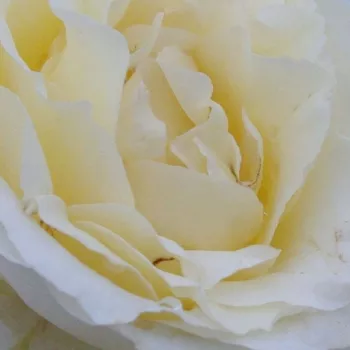
Cream blooms with soft yellowish-white tones; buds beige-white with green tips, opening warm butter-yellow before fading to creamy white with a delicate pearly sheen and only moderate overall colour loss. |
| Fragrance and aroma |
Fragrance has a distinctly rosy character, but remains mild and mainly noticeable when you are close to the blooms, contributing a gentle, unobtrusive scent suitable for seating areas and entrances. |
| Hip characteristics |
Occasionally forms small hips, typically 10–16 mm across; hips are not a dominant ornamental feature but may appear sporadically after flowering if deadheading is not carried out. |
| Resistance and winter hardiness |
Demonstrates strong resistance to powdery mildew, black spot and rust; hardy to approximately −26 to −23 °C (RHS H7, Swedish zone 4, USDA 5b), suitable for most UK garden conditions without protection. |
| Horticultural recommendations |
Best for borders, specimen planting and cutting; plant 50–60 cm apart in groups or 100 cm as a solitary; low-maintenance with minimal spraying needs, thriving in well-prepared, drained garden soil. |
IRIS HONEY offers long-lived own-root reliability, refined cream flowers for cutting and borders, and low-maintenance health that suits busy coastal or family gardeners; consider it where you value calm, lasting structure with gentle elegance.