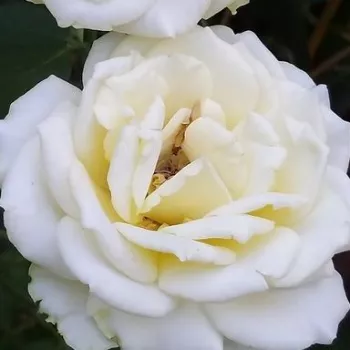
ISABELLE JOERGER – pastel yellow hybrid tea rose - Barth
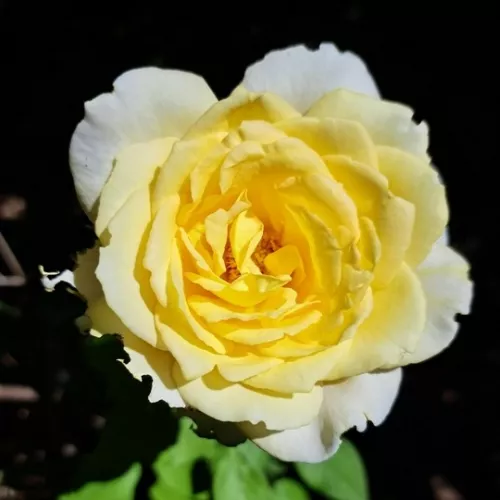
Imagine stepping onto your veranda with a mug of tea, the air bright with pastel blooms that echo Cornish light and a gentle, sweet-fruity aroma drifting from elegant high-centred flowers. This compact, erect rose is easy to place in a small family garden, offering reliable remontant flowering from early summer onwards, so you can enjoy cut stems indoors as well. Its dense, glossy foliage anchors well in breezy plots, coping confidently with coastal gusts and managing moisture on heavier soils through its firm root system and well-balanced structure. As an own-root plant, it builds strength gradually – roots in the first year, more shoots in the second, then full ornamental value by the third – giving long-lived, stable performance with less worry about harsh winters. In large containers of at least 40–50 litres it remains beautifully proportioned, bringing a refined, feminine mood to shingle gardens and sheltered spots where you pause after collecting seashells, protected from blustery weather by its quietly resilient habit and dependable endurance.
Usage options
| Target area |
Reasoning |
| Coastal veranda container (40–50 litres) |
Its compact, erect habit and dense foliage make it easy to manage in a generous pot, while pastel-yellow blooms soften hard surfaces and reflect coastal light; own-root resilience suits breezy balconies and patios for beginners. |
| Small family front garden feature |
Placed as a single specimen near the door or along a path, the refined hybrid tea blooms and glossy leaves give neat structure without overwhelming a modest plot, offering gentle scent and repeat flowers for busy homeowners. |
| Shingle or gravel planting by the drive |
Works well in free-draining, gravelly soils and pairs attractively with blue fescues and low grasses, giving soft colour while its root system helps it sit securely where wind and shifting substrates can be an issue for coastal. |
| Mixed border with perennials |
The semi-double, pastel-toned flowers blend gracefully with cranesbills and airy perennials, providing vertical accents and regular repeat blooms that extend the season beyond peak herbaceous interest for relaxed gardeners. |
| Cutting corner near the terrace |
High-centred, long-stemmed flowers are ideal for cutting, so a small group planted within easy reach of the house offers a steady supply of pastel stems for vases, combining outdoor display with indoor enjoyment for flower-lovers. |
| Sheltered, sunny seating area windbreak |
Planted in a loose row with complementary shrubs, its dense, dark green foliage and uniform growth form a light visual screen, softening breezes around a seating spot while maintaining an open, airy feel for relaxed tea-drinkers. |
| Clay-based back garden bed with improved drainage |
Once established in well-prepared soil, its strong, own-root system copes with typical British clay, anchoring firmly where rain and wind often combine to challenge roses in family gardens for practical planners. |
| Pollinator-friendly focal point |
Semi-double flowers with accessible stamens attract bees and butterflies when open, adding gentle movement and life near paths or patios, combining ornamental value with wildlife interest for nature-minded families. |
Styling ideas
- Sea-breeze classic – Combine in a large clay pot with blue fescue and pale gravel to echo shingle beaches, softening walls or railings on a sunny veranda – ideal for coastal-style lovers.
- Pastel tea corner – Place as a single specimen beside a small bistro set, underplanted with lavender for fragrance at ankle height – perfect for those who enjoy quiet afternoon tea outdoors.
- Gentle border rhythm – Repeat groups along a mixed border with Geranium 'Rozanne' and airy grasses to create a calm, feminine flow of colour – suited to hobby gardeners seeking low-fuss elegance.
- Cornish cut-flower strip – Line a narrow bed by a path or fence, spaced for easy access to long stems for the vase – for home florists who like bringing garden roses indoors.
- Sunny shingle focus – Feature at the centre of a gravel circle with Phormium 'Tom Thumb' and dwarf grasses to contrast textures and foliage – attractive for design-conscious small-garden owners.
Technical cultivar profile
| Parameter |
Data |
| Name and registration |
Hybrid tea rose, registered as BARmarisa, marketed as Isabelle Joerger Hybrid tea rose BARmarisa; verified cultivar identity and listed as a premium bronze quality own-root plant. |
| Origin and breeding |
Bred by René Barth at Roseraies Barth, France, with introduction in 2016; hybrid tea type of unknown parentage, developed for refined flower form and garden as well as cutting use. |
| Growth and structural characteristics |
Erect, bushy habit reaching about 80–110 cm in height and 50–70 cm spread, moderately thorny with dense, dark green, glossy foliage providing good structure and a balanced, uniform outline. |
| Flower morphology |
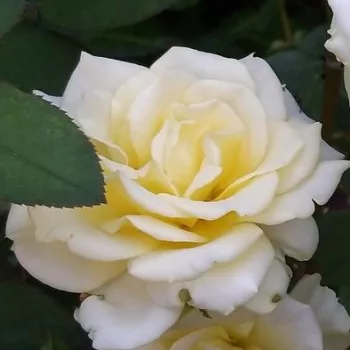
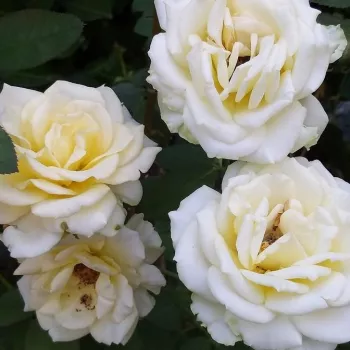
Semi-double, high-centred, pointed-budded hybrid tea flowers, typically solitary on stems; large bloom size around 2.75–3.95 inches, with 13–25 petals and a strong remontant habit with abundant second flush. |
| Colour data and phenology |
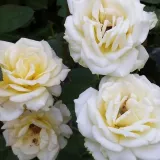
Pale creamy-yellow with a buttery yellow centre; buds butter-coloured with greenish tinge, opening warm lemon-yellow, then fading to pastel cream-white with almost white margins, retaining a faint central glow. |
| Fragrance and aroma |
Soft, sweet-fruity scent of mild strength, noticeable at close range without being overpowering; suitable for seating areas and cut flowers where a gentle, refined perfume is preferred. |
| Hip characteristics |
Hip set generally low under normal pruning; occasional small ellipsoidal orange-red hips 10–14 mm may develop, adding minor seasonal interest without significant impact on flowering performance. |
| Resistance and winter hardiness |
Hardy to approximately –21 to –18 °C (RHS H7, USDA 6b), with moderate resistance to powdery mildew, black spot and rust; benefits from standard rose care and plant protection in high-pressure seasons. |
| Horticultural recommendations |
Best in sunny positions with good drainage; suitable for beds, specimens, hedging and containers; plant 50–90 cm apart depending on use, and water consistently while establishing for reliable flowering. |
ISABELLE JOERGER Hybrid tea rose BARmarisa offers pastel, high-centred flowers, compact structure and repeat bloom on a durable own-root framework, making it a thoughtful choice for long-lived, easy-care coastal or family gardens.