JACQUES CARTIER – pink historical perpetual hybrid rose - Desprez
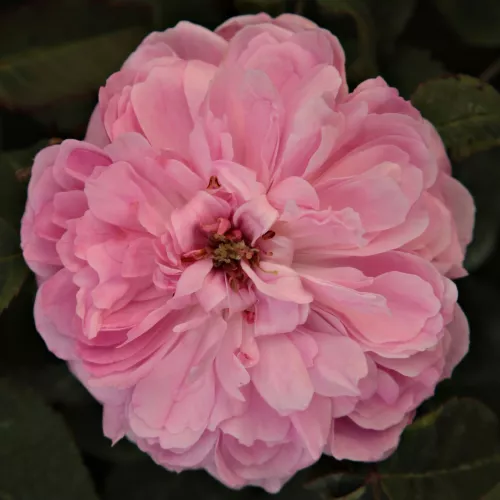
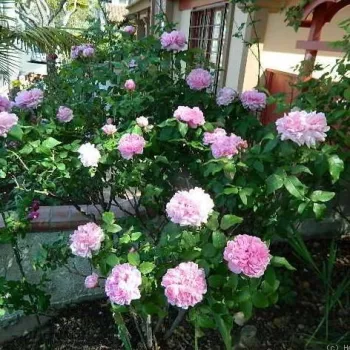
Imagine stepping in from a breezy Cornish afternoon to enjoy tea behind a living windbreak of shell‑pink rosettes: Jacques Cartier is a compact, bushy heritage rose that copes gracefully with brisk coastal weather and lends a calm, romantic structure to smaller family plots. Its repeat‑flowering blooms carry a notably strong, traditional fragrance, giving you armfuls of cut flowers for the house with minimal effort. As a premium own‑root rose it offers reassuring longevity and the ability to regenerate if knocked by wind or pruned a little hard, keeping its ornamental value stable over many years. Maintenance is straightforward, with low‑input care and excellent disease resistance, while its tolerance of partial shade makes it easy to place on verandas or near boundary fences in typical British gardens.
Usage options
| Target area | Reasoning |
|---|
| Coastal veranda in large containers (40–50 litres or more) |
Jacques Cartier’s compact, bushy habit suits spacious containers where roots have room to anchor and drain well, and its forgiving temperament copes with breezy, changeable coastal weather on a sheltered veranda, ideal for the time‑pressed beginner. |
| Small family garden seating area or wind‑buffer |
The dense, mid‑green foliage and bushy framework form a soft visual screen, helping to calm gusty corners around a patio while still letting light through, creating a comfortable, scented nook for relaxed use by the typical homeowner. |
| Romantic, “girly” border with shell and shingle accents |
Its pastel pink rosette flowers and silvery sheen in cool weather echo seashell tones beautifully against shingle or pale gravel, giving a gentle, feminine focus that blends easily with simple coastal‑style planting for coastal‑inspired gardeners. |
| Low‑maintenance rose and perennial mix in clay soils |
Excellent disease resistance and moderate drought tolerance mean fewer sprays and less fuss, while own‑root vigour and good bush structure make it a steady performer once drainage is improved, supporting busy families. |
| Part‑shaded side garden or north‑east facing fence |
Jacques Cartier tolerates partial shade, so it can flower reliably where many roses sulk, brightening those in‑between spaces beside houses or boundary fences that still receive some sun, suiting practical urban owners. |
| Cut‑flower corner for home arrangements |
Medium‑sized, very double rosette blooms with a strong, long‑lasting scent and good stem length make charming, traditional bunches, letting you harvest flowers for the table without needing a dedicated cutting garden, perfect for creative hobbyists. |
| Long‑term feature shrub in a heritage‑style layout |
A proven nineteenth‑century Portland rose with Award of Garden Merit status, this own‑root form matures into a durable, characterful shrub that can remain in place for many seasons with minimal replanting, appealing to heritage‑minded collectors. |
| Informal rose grouping with resilient coastal companions |
Planted with drought‑tolerant grasses, sea kale or lavender, its bushy habit and repeat bloom bring structure and colour between companions’ peaks, while its low maintenance needs simplify mixed planting schemes for relaxed coastal‑style designers. |
Styling ideas
- Seaside‑Tea Corner – Place Jacques Cartier beside a bistro set on a sheltered veranda in a 50‑litre pot, add a low Festuca and shells as mulch – for coastal veranda owners wanting easy charm.
- Heritage‑Border Ribbon – Thread it through a border with sea kale and pale pink perennials for a soft, romantic run of scent and colour – for those recreating classic cottage style by the sea.
- Pastel‑Shell Mix – Underplant with silver foliage and pale groundcovers against shingle to echo beach pebbles and shells – for gardeners seeking a “girly” yet understated coastal palette.
- Family‑Perfume Path – Line a frequently used path with a few well‑spaced shrubs so every brush past releases fragrance – for busy families wanting impact from short garden strolls.
- Veranda‑Cutting Nook – Combine one or two plants with lavender and a small table for snipping scented stems into jugs – for beginners who like effortless cut flowers close at hand.
Technical cultivar profile
| Parameter | Data |
|---|
| Name and registration |
Historical hybrid perpetual rose from the Heritage rose collection, marketed today as Jacques Cartier – Desprez; exhibition historic (Portland) rose suitable for both gardens and cutting. |
| Origin and breeding |
Raised in France around 1842 by Jean Desprez; introduced under the name Jacques Cartier in 1868; parentage and original breeding records are unknown or no longer documented. |
| Awards and recognition |
Holds the Royal Horticultural Society Award of Garden Merit (1993), indicating dependable garden performance, sound health and ornamental value under typical UK growing conditions. |
| Growth and structural characteristics |
Bushy shrub 100–150 cm high and 80–120 cm across, with moderately dense, glossy mid‑green foliage and moderate prickliness; self‑cleaning is poor, so deadheading is recommended. |
| Flower morphology |
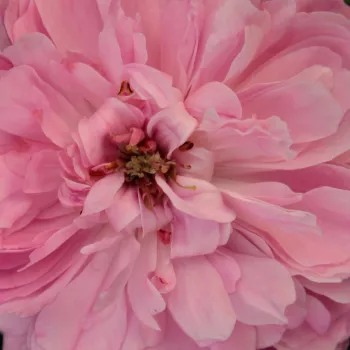
Medium‑sized, very double rosette flowers, typically solitary on the stems, with more than 40 petals; remontant, though the main flush is stronger than subsequent repeat flowering. |
| Colour data and phenology |
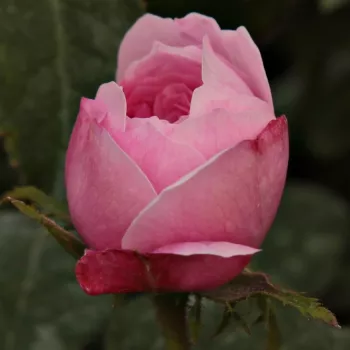
Pure mid‑pink blooms with a silvery sheen in cool weather; buds deep pink, flowers soften to shell‑pink and then paler tones in strong sun, with moderate overall colour retention. |
| Fragrance and aroma |
Strong to very strong, long‑lasting scent in the traditional old‑rose style, primarily ornamental; highly double form hides stamens and offers limited value for pollinating insects. |
| Hip characteristics |
Hip set usually sparse due to very double flowers; when produced, hips are small, ellipsoid, 12–18 mm across and red when ripe, adding a discreet seasonal accent. |
| Resistance and winter hardiness |
Rated H7, hardy to around −26 to −23 °C and USDA zone 5b; generally resistant to black spot, powdery mildew and rust, with moderate tolerance of heat and short dry spells. |
| Horticultural recommendations |
Best as a border or specimen shrub, park planting or for cut flowers; plant 105–175 cm apart depending on use, in well‑drained soil with regular watering during heat or drought. |
Jacques Cartier offers compact structure, scented repeat bloom and reliable health in an own-root form that settles for the long term, making it a thoughtful choice for relaxed coastal and family gardens.