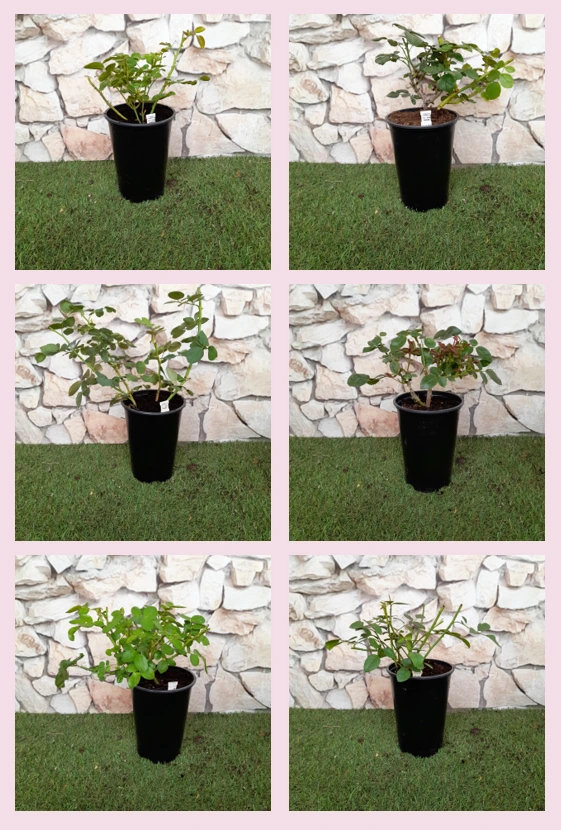
ROSA POMIFERA – pink landscape shrub rose
This botanical shrub rose brings a sense of coastal refreshment to small and medium family gardens, with simple planting and quietly confident resilience that suits breezy UK conditions where good drainage and anchoring roots really matter. Its once-a-year flush of clear pink, open flowers offers generous pollinators support, followed by distinctive, apple-like hips that extend the season’s interest and can be harvested for jam or tea. As an own-root plant, it settles in steadily for a long lifespan, rebuilding if pruned hard or wind-checked and keeping its ornamental value over time. Medium maintenance and strong health make everyday care straightforward for beginners, while dense, thorny branching frames shingle, gravel or meadow-style beds with natural structure. In the first year it concentrates on roots, the second on stronger shoots, and by the third year it reaches full ornamental impact along paths, boundaries or relaxed coastal-style seating areas.
Usage options
| Target area | Reasoning |
|---|
| Coastal veranda or shingle seating area |
The bushy, upright habit and dense foliage create a gentle screen that evokes coastal hedgerows, while strong roots stabilise the plant where wind and freer-draining substrates meet, echoing those blustery, salt-kissed afternoons by the sea for coastal-style lovers. |
| Natural, thorny boundary hedge |
Its moderately thorny, branching structure knits into a protective, wildlife-friendly barrier that softens fences or marks garden edges, offering long-term screening without intricate pruning regimes, well suited to relaxed, family-use spaces for busy homeowners. |
| Bee and butterfly strip along lawns or paths |
Single, open flowers with exposed yellow stamens provide easy access to nectar and pollen, and the once‑a‑season display still gives weeks of forage, supporting a more vibrant, insect-friendly garden edge for pollinator-conscious gardeners. |
| Edible, ornamental hip garden or food-forest |
The large, spherical, vitamin C–rich hips add bright autumn colour and can be harvested for teas or preserves, so one planting delivers both visual effect and kitchen potential, fitting neatly into small-scale orchard, allotment or food-forest layouts for edible-garden enthusiasts. |
| Low-input family garden backdrop |
With good disease resistance and medium water needs, it offers a solid, low-fuss backdrop that copes with ordinary lapses in care, supporting a long-lived planting that will grow on with the family rather than demanding constant attention from time-pressed beginners. |
| Mixed shrub bed with perennials |
Its clear pink, wild-rose style flowers and later hips weave naturally among grasses, yarrow and lavender, giving contrast in texture and height without dominating, ideal for layered, softly structured borders where maintenance stays manageable for hobby gardeners. |
| Partially shaded side garden or corner |
Suitability for partial shade lets you green up those less-than-sunny side strips and corners, where many roses sulk, keeping foliage dense and flowering reliable enough to justify the space without complicated regimes for owners of awkward plots. |
| Drier, climate-resilient planting scheme |
With its ability to tolerate summer heat and longer dry spells, only needing extra water in severe droughts, it supports a forward-looking planting that balances beauty with sensible resource use, and works particularly well in evolving, resilient beds for future-focused gardeners. |
Styling ideas
- Sea-Edge Veranda – Plant in a 40–50 litre container by a sheltered seating nook, underplanted with blue Festuca and sea kale to echo Cornwall shingle tones – ideal for coastal-style lovers seeking low-fuss structure.
- Soft Wildlife Hedge – Create a loose hedge with staggered spacing, allowing hips and flowers to intermingle with yarrow and lavender – for families wanting gentle privacy and pollinator support.
- Orchard Companion – Thread plants along the sunny side of dwarf fruit trees so hips and blossom extend the productive season – suited to food-forest and micro-orchard owners.
- Meadow Margin – Use as an upright anchor at the back of a wildflower strip, letting native perennials spill around its base – perfect for gardeners turning lawn edges into relaxed nature zones.
- Cottage-Coastal Mix – Combine with Liatris, Achillea and lavender in a free-form bed, letting its pink flush and autumn hips punctuate silvers and mauves – appealing to beginners wanting charm without strict formality.
Technical cultivar profile
| Parameter | Data |
|---|
| Name and registration |
Rosa pomifera botanical shrub rose; landscape shrub rose type, unregistered cultivar in commerce, verified authenticity for ROSA POMIFERA – pink landscape shrub rose line at vivianarose.co.uk. |
| Origin and breeding |
Old botanical shrub rose of unknown breeding; introduced to commerce in 1897 by George Brunning, St. Kilda Nurseries, Australia; parentage unrecorded, used widely as a traditional species-like garden rose. |
| Growth and structural characteristics |
Bushy, upright shrub with dense, matte bluish- to grey-green foliage and moderate thorns; forms a solid, structural presence in borders or hedging, stabilising well once established on its own roots over time. |
| Flower morphology |
Single, wild-rose style blooms with 5–12 petals, typically 4–5 cm across; carried mainly singly; once-flowering in early summer, providing a strong seasonal highlight rather than continuous repeat bloom. |
| Colour data and phenology |
Deep to clear pink flowers, RHS 65C–65D, with a golden-yellow stamen ring; colour holds well then softens as petals age, while stamens pass from yellow to ochre and brown before hips begin to colour. |
| Fragrance and aroma |
Mild, restrained fragrance with apple-fruity, slightly wild-rose notes; not overpowering near seating areas yet present enough to add a gentle sensory layer in warm, still conditions around the shrub. |
| Hip characteristics |
Large, spherical, red hips, 15–30 mm, rich in vitamin C; highly ornamental in autumn and suitable for culinary use such as jams, jellies and herbal teas when properly prepared and processed. |
| Resistance and winter hardiness |
Rated hardy to approximately −20 to −15 °C (RHS H6, USDA 4a); good resistance reported to powdery mildew, black spot and rust; tolerates typical UK summers with irrigation mainly in extreme drought. |
| Horticultural recommendations |
Best in well-drained soil with sun to partial shade; spacing 75–190 cm depending on hedge, group or specimen use; medium maintenance with routine pruning, health monitoring and occasional formative shaping as needed. |
ROSA POMIFERA offers easy-care structure, wildlife-friendly flowers and hips, and a long-lived own-root shrub presence; a thoughtful choice if you would like a resilient, quietly characterful rose.