JEAN DE LUXEMBOURG, ROI DE BOHÊME – peach park rose - Ducher
Imagine a sheltered coastal veranda where you can sip tea behind a natural windbreak after a walk on the shingle: Jean de Luxembourg, roi de Bohême settles calmly into breezy British gardens, forming a dense, upright shrub that helps steady the scene where the soil needs careful drainage and roots must anchor securely against prevailing winds. Its medium-height, park-style shrub habit remains well-structured, giving you reassuring privacy and a soft, peach-pink backdrop for sea-kale, fescue or lavender in a small family garden. Strong, old-rose fragrance carries on sunny days, while remontant clusters ensure a long season of bloom from early summer well into autumn. As an own-root rose in a practical 2-litre container, it is bred for a long lifespan with stable character, so after a gentle settling-in period it will reward you for years with low-fuss, reliable colour.
Usage options
| Target area | Reasoning |
|---|
| Coastal veranda wind-filter hedge |
The dense, upright shrub structure makes a calm, semi-transparent screen, softening strong breezes without overwhelming a small seating area; its steady framework suits shingle or coastal-style plots needing reliable form for beginners. |
| Long-season feature beside a terrace |
Medium-sized, cluster-flowered blooms repeat generously, with an especially rich second flush that keeps colour and fragrance close to the house from early summer into autumn, ideal for relaxed, low-effort evening enjoyment for hobby-gardeners. |
| Low-maintenance family shrub in mixed border |
Its moderate care needs and own-root vigour allow it to settle in and then tick over reliably with basic pruning and sensible watering, suiting busy households who want impact without constant interventions for busy-owners. |
| Durable, long-lived garden structure plant |
The own-root form supports regeneration from the base and a stable overall shape over many seasons, offering lasting value where you prefer to plant once and see the same rose mature gracefully over years for long-term-planners. |
| Robust shrub for exposed, windy plots |
The sturdy, well-branched framework and dense foliage help it cope in gardens where breezes are regular, offering reassuring stability in British coastal settings where good drainage and firm anchoring matter for coastal-lovers. |
| Fragrant seating-area companion |
Strong, old-rose scent lingers around paths and benches, making a modestly sized shrub feel luxurious; placing it near frequently opened windows or a favourite chair brings classic perfume into your daily routine for scent-seekers. |
| Container rose for large coastal pots |
In a 40–50 litre or larger container, its upright habit and medium spread remain manageable while still giving generous bloom and foliage, fitting balconies, roof terraces and paved courtyards used by urban-gardeners. |
| Developing focal point in a new garden |
Planted as a young own-root shrub, it first concentrates on roots, then builds stronger shoots, reaching its full ornamental presence by about the third year, suiting patient gardeners shaping a space gradually for new-homeowners. |
Styling ideas
- Shingle-Salon – Combine with sea kale and blue fescues in a gravel strip for a relaxed, coastal look that stays tidy with little effort – ideal for time-poor coastal-style enthusiasts.
- Tea-Terrace – Plant two or three shrubs by a terrace, underplanted with low lavender, to frame a scented corner for afternoon tea – suited to fragrance lovers who want easy structure.
- Peach-Hedge – Use a loose, informal hedge line with wide spacing, weaving in Agastache ‘Blue Fortune’ for soft contrast – good for families wanting a gentle boundary, not a hard fence.
- Courtyard-Focus – Grow a single specimen in a 50-litre clay pot with trailing thyme at the rim to anchor a small, sunlit courtyard – perfect for compact gardens needing one strong focal point.
- Rugosa-Mingle – Mix with other shrub and Hybrid rugosa roses for a textured, resilient shrub group that gives fragrance, hips and shelter – best for hobby gardeners building long-term structure.
Technical cultivar profile
| Parameter | Data |
|---|
| Name and registration |
Shrub, Hybrid rugosa park rose; registered as DUCjdl, traded as Jean de Luxembourg, roi de Bohême, with ARS exhibition name Jean de Bohême for shrub rose classes. |
| Origin and breeding |
Bred by Fabien Ducher, Roseraie Ducher, Loire, France; parentage undocumented. Selected and introduced in 2010 as a robust park-suitable shrub rose for landscape and private garden use. |
| Growth and structural characteristics |
Upright shrub 120–190 cm high, 100–150 cm wide, densely branched with glossy dark green foliage and abundant prickles, forming a substantial, wind-resilient presence in beds, borders and hedging lines. |
| Flower morphology |
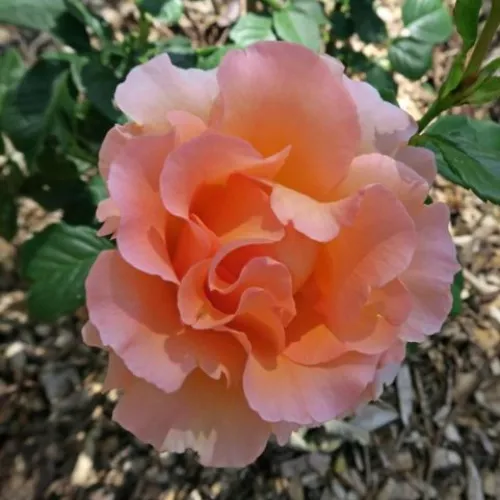
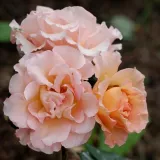
Medium-sized, double, cup-shaped clusters with 26–30 petals, borne repeatedly through the season with an especially abundant second flush; cluster habit gives generous displays on each flowering stem. |
| Colour data and phenology |
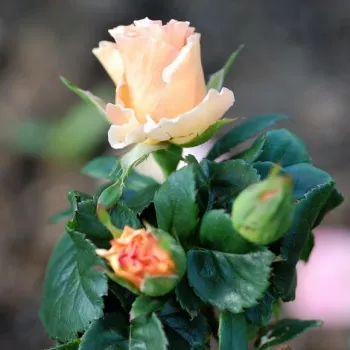
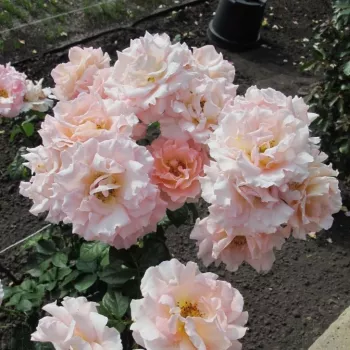
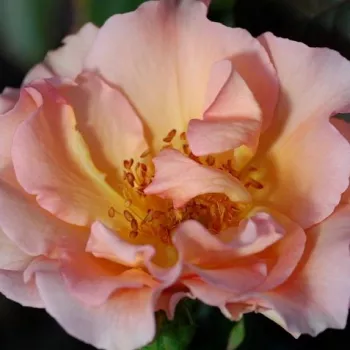
Soft peach blooms with pink-orange tones; buds deep peach-pink, opening rich peach-orange then fading to rosy-cream with creamy outer petals, maintaining good colour retention over the life of each flower. |
| Fragrance and aroma |
Strong, long-lasting old-rose perfume that is noticeable at close range and around seating; double but open-centred flowers allow delayed stamen exposure, offering moderate bee interest in suitable weather. |
| Hip characteristics |
Rosehip set is usually sparse due to double flowers; when present, hips are globular, orange-red, approximately 18–26 mm in diameter, giving occasional late-season ornamental interest among the foliage. |
| Resistance and winter hardiness |
Hardy to approximately −26 to −23 °C (RHS H7; Swedish zone 4; USDA 5b). Disease resistance moderate to powdery mildew, black spot and rust, generally satisfactory with standard rose care where ventilated. |
| Horticultural recommendations |
Suited to parks, hedges, specimen and shrub groups; plant 110–180 cm apart depending on use. Prefers well-drained soil; medium maintenance with occasional plant protection and routine formative pruning. |
JEAN DE LUXEMBOURG, ROI DE BOHÊME offers a fragrant, long-season display on a durable, own-root shrub that matures into reliable structure, making it a thoughtful choice if you value lasting beauty with modest care needs.