JOHN CABOT – pink climbing rambler rose - Svejda
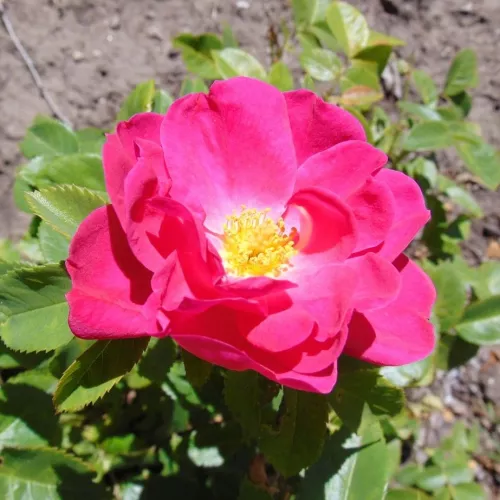
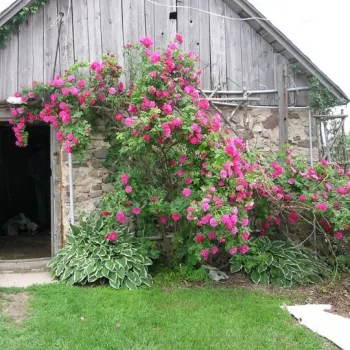
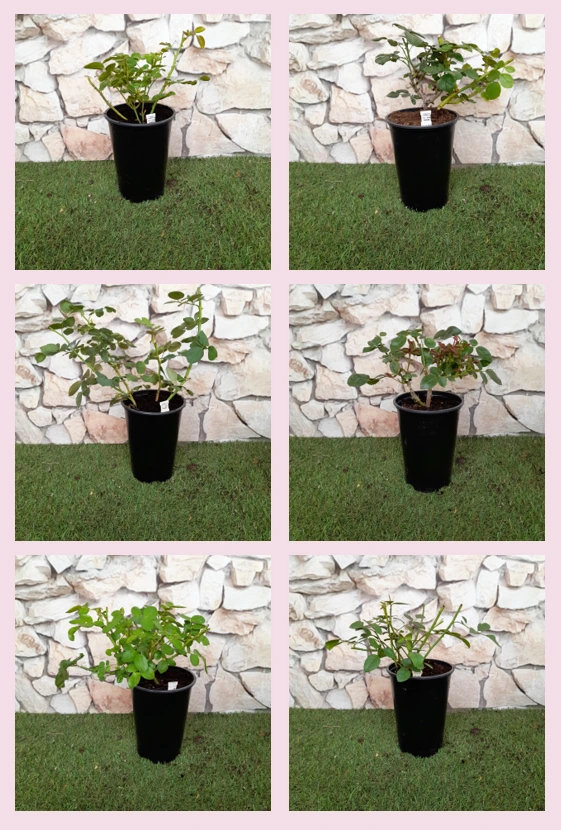
Along a breezy Cornish veranda or against a sunny Devon wall, JOHN CABOT gives your garden a sense of coastal freedom without demanding constant attention. This vigorous climber quickly clothes fences and pergolas with glossy dark foliage, while medium-sized, semi-double blooms shift from deep orchid pink to a gentle powder blush, echoing seashell treasures gathered after a day by the shore. Its hardy constitution shrugs off cold, and with simple care it copes well where strong winds and salty air meet heavier soils by ensuring the roots are never waterlogged yet securely anchored. Partial-shade flexibility means it flowers reliably on east- or west-facing aspects, and remontant endurance brings colour back after the first flush. Own-root resilience promotes a long-lived framework that can be refreshed if canes are damaged, while occasional orange-red hips add autumn interest. In a 2-litre pot it settles in steadily: first building roots, then stronger shoots, and by its third year offering full ornamental impact across your family garden backdrop.
Usage options
| Target area | Reasoning |
|---|
| Coastal veranda windbreak |
The tall, climbing growth habit quickly forms a leafy screen that softens sea breezes, with semi-double flowers fading beautifully from deep pink to soft powder tones for a relaxed seaside look – particularly supportive for coastal-style beginners. |
| Family pergola or arch |
Vigorous canes and dense foliage cover pergolas within a few seasons, creating a cool, dappled retreat where remontant flowering brings waves of colour through summer, ideal for relaxed tea corners for busy garden owners. |
| House wall or garage elevation |
Its climbing habit and partial shade tolerance make it reliable on east- or west-facing walls, providing long vertical interest where space is tight but height is available, appealing to small-garden homeowners. |
| Robust feature in cold-prone gardens |
Exceptional hardiness down to around -40 °C and proven northern performance give confidence that established plants will overwinter reliably, suiting exposed or frost-prone plots for risk-averse planters. |
| Long-term garden framework |
As an own-root climber, it can be rejuvenated from its base if older canes are pruned out or damaged, building a durable woody structure that matures gracefully for long-view gardeners. |
| Shingle or clay-based coastal borders |
Once planted with good drainage, it copes with breezy sites near the sea, where sturdy roots and canes help it stay put and look composed in strong winds and salty air, reassuring for seaside homeowners. |
| Large container on terrace or balcony |
In a 40–50 litre or larger container with a trellis, it offers vertical display where ground planting is impossible, provided watering and feeding are regular, making roses feasible for urban veranda users. |
| Seasonal colour with manageable upkeep |
Although protection is needed against rust and other diseases, many spent blooms fall by themselves, so light deadheading and simple spraying routines keep it attractive over years, suiting casual hobby gardeners. |
Styling ideas
- Harbour-arch – Train JOHN CABOT over a wooden arch with sea kale and blue Festuca at the base for a soft, windswept entrance – ideal for coastal-style lovers.
- Balcony-screen – Grow it in a 50-litre container with a slim trellis to create a pink privacy screen on a sunny flat balcony – perfect for urban veranda owners.
- Shell-walk – Let it climb a fence along a shingle path, underplanted with Lavandula and Campanula carpatica for a pastel, seashell-inspired palette – suited to relaxed family gardens.
- Tea-pergola – Cover a small pergola above a bistro set, pairing with Liatris spicata 'Alba' below for vertical echoes of pink and white – appealing to weekend gardeners.
- Cottage-wall – Combine its deep pink clusters on a house wall with Echinacea 'Big Kahuna' in front for layered summer colour – attractive to traditional cottage-garden fans.
Technical cultivar profile
| Parameter | Data |
|---|
| Name and registration |
Trade name JOHN CABOT – pink climbing rambler rose - Svejda; ARS exhibition name John Cabot; rambler, Hybrid Kordesii group; climbing rose collection, verified authenticity for garden use. |
| Origin and breeding |
Bred by Felicitas Svejda at Agriculture Canada, Ottawa; Rosa kordesii × (‘Masquerade’ × Rosa laxa); breeding year 1969, registered 1978, introduced after 1978 by Agriculture Canada. |
| Awards and recognition |
Holds the Royal Horticultural Society Award of Garden Merit, indicating reliable garden performance, sound ornamental value and generally dependable behaviour under typical UK cultivation conditions. |
| Growth and structural characteristics |
Climbing habit reaching about 200–320 cm high and 120–200 cm wide, with dense, dark green glossy foliage and heavily thorned shoots; medium self-cleaning of spent blooms, best with periodic deadheading. |
| Flower morphology |
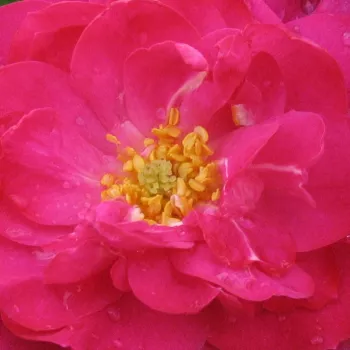
Medium-sized, semi-double, cup-shaped blooms opening flatter with 13–25 petals, carried in clusters; remontant, though the second flush is lighter than the first; suitable for informal garden displays and training. |
| Colour data and phenology |
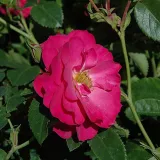
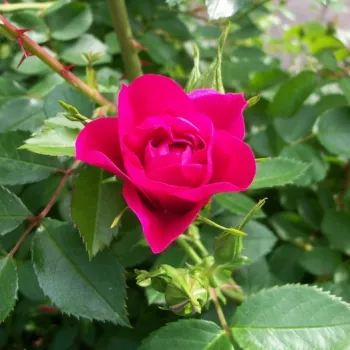
Intense deep pink with purplish undertones; buds dark crimson-pink, shifting through fuchsia to orchid-pink, then powder-pink; ARS code DP, RHS 58C outer and 61B inner; colour may fade faster in strong sun. |
| Fragrance and aroma |
Mild, delicately rose-scented fragrance; semi-double form offers some pollen access, so it is only partially attractive to pollinators and is chosen primarily for its colour effect rather than scent strength. |
| Hip characteristics |
Occasionally sets small ornamental hips; ellipsoidal, about 10–14 mm diameter, coloured orange-red, providing modest seasonal interest in late summer to autumn if not all faded blooms are removed. |
| Resistance and winter hardiness |
Very hardy, around -40 to -37 °C (RHS H7, USDA 3a, Swedish Zone 6); tolerates heat with watering; disease resistance moderate to low, particularly rust-susceptible, requiring regular monitoring and treatment. |
| Horticultural recommendations |
Best on supports such as pergolas, fences or walls; spacing 150–240 cm depending on use; partial shade tolerant; ensure good drainage, especially on heavier soils, and use protective spraying in disease-prone seasons. |
JOHN CABOT offers hardy stature, remontant pink colour and partial-shade versatility on an own-root framework that can be renewed over time, making it a thoughtful choice if you want lasting vertical charm in your garden.