JOY OF LIFE – red-and-white hybrid tea rose
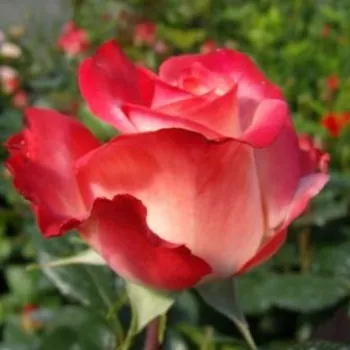
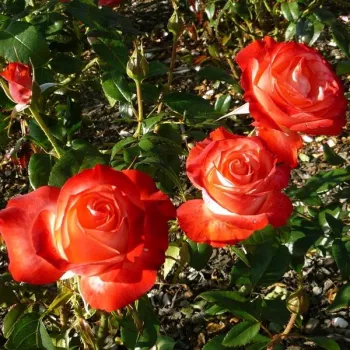
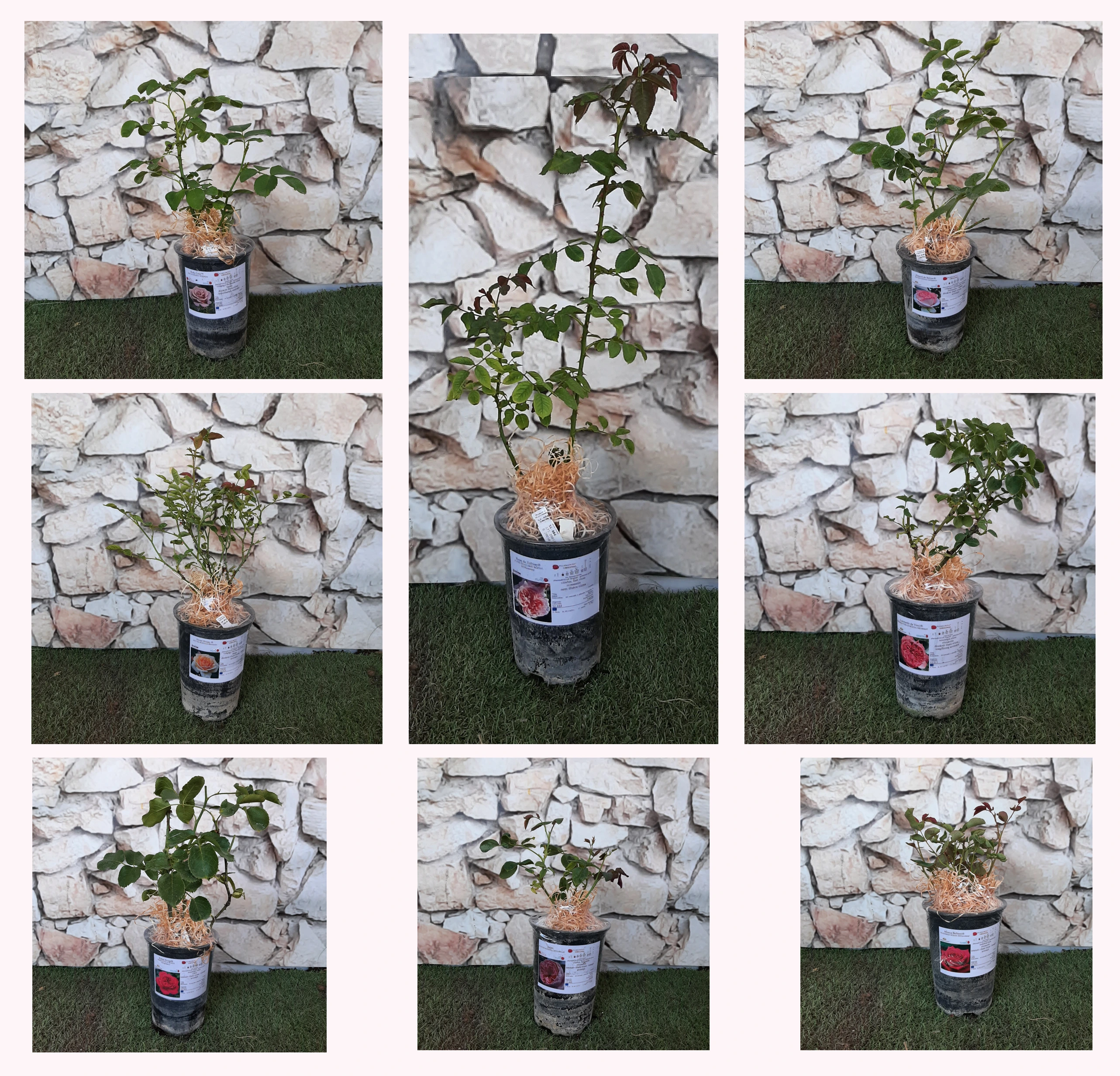
Feel coastal refreshment every time you step outside with ‘Joy of Life’, a tall, upright hybrid tea that brings the atmosphere of tea in a windbreak after collecting seashells to compact family plots and verandas. Its nostalgic, high‑centred blooms combine cream‑white centres and carmine‑red edges for effortless elegance, while dense, glossy foliage and reliable remontant flowering ensure long‑lasting colour from early summer well into autumn. Bred for robust health, it shrugs off common diseases and stands firm in brisk weather, coping well with coastal breezes when given reasonable drainage and anchoring in heavier soils. As an own‑root rose it builds strength steadily, with roots in the first year, fuller shoots in the second and complete ornamental impact by year three, giving you a stable, low‑intervention display that matures gracefully. Ideal where space is at a premium yet you still want generous cutting stems and an evocative, strongly scented presence that suits busy, style‑conscious gardeners.
Usage options
| Target area |
Reasoning |
| Sunny coastal veranda in large containers |
In a sheltered, sunny veranda position, Joy of Life performs reliably in a 40–50 litre container, its upright habit and dense foliage giving height without overwhelming the space, while firm stems and robust constitution cope well with brisk, salty breezes for easy‑care seasonal interest for coastal veranda owners. |
| Small family front garden focal point |
Planted as a specimen by the front path, its tall, upright growth and nostalgic bicolour blooms create an elegant vertical accent that looks carefully designed yet needs only basic pruning and feeding, giving reliable impact without constant attention for busy homeowners. |
| Cutting bed for home bouquets |
The high‑centred, exhibition‑type flowers are carried singly on long, straight stems, ideal for cutting regularly through the season so you can enjoy classic hybrid tea blooms indoors while the plant quickly replaces them in the border for home flower arrangers. |
| Mixed rose and perennial border |
In a mixed border it slots neatly between lower perennials and taller shrubs, its mid‑green, glossy foliage providing structure and the repeat‑flowering bicolour roses adding rhythm, while good disease resistance keeps the whole planting looking smart for low‑maintenance gardeners. |
| “Girly” coastal shingle planting |
On free‑draining shingle with modest soil improvement, its resilient roots and upright habit give a romantic focal point among sea kale, Festuca and soft perennials, the rose coping calmly with exposed conditions when the site offers reasonable drainage and anchoring for coastal‑style enthusiasts. |
| Low‑maintenance back garden seating area |
Placed near a bench or terrace, its strong, classic rose fragrance and repeat blooms create a quietly luxurious backdrop for everyday family use, while the own‑root plant ages steadily without graft issues, reducing future replacement and major renovation work for long‑term planners. |
| Informal rose hedge or screen |
At recommended hedge spacing it forms a lightly formal, shoulder‑high line that filters views without feeling heavy, the dense foliage and sturdy stems making a practical, low‑intervention screen that still offers cut flowers and scent for space‑conscious gardeners. |
| Beginner’s feature rose in heavy clay soil |
With modest preparation to improve drainage, its strong framework and disease resistance let it settle into typical UK clay gardens, gradually building a deep own‑root system that supports consistent flowering and reduces fuss over the years for new rose gardeners. |
Styling ideas
- Veranda Chic – Grow Joy of Life in a 50‑litre clay pot with dwarf silver Artemisia and trailing thyme to frame coastal‑style seating – ideal for design‑minded veranda owners.
- Romantic Shingle – Set it in a shingle bed with sea kale and blue Festuca for a soft, “girly” coastal palette with movement – suited to seaside cottage gardeners.
- Elegant Approach – Flank the front path with evenly spaced plants underplanted with Alchemilla mollis to catch petals and soften edges – perfect for tidy, low‑maintenance front gardens.
- Tea‑Time Corner – Place one near a bistro set, paired with lavender and potted herbs, so you can cut a stem for the table and enjoy the scent at close quarters – great for small‑space entertainers.
- Structured Border – Use a short row as a vertical spine through a mixed perennial border, echoing the red edging with salvias or penstemons – for gardeners who like subtle, coordinated schemes.
Technical cultivar profile
| Parameter |
Data |
| Name and registration |
Hybrid tea rose from the Nostalgic collection; registered as TANmixa, marketed as Joy of Life / Joy of Life Nostalgic / TANmixa, ARS exhibition name Maxim. |
| Origin and breeding |
Bred by Hans Jürgen Evers for Rosen Tantau, Uetersen, Germany; introduced and registered in 1993, parentage not disclosed, selected for decorative garden and cutting use. |
| Growth and structural characteristics |
Upright hybrid tea reaching around 130–170 cm with a 60–80 cm spread; moderately thorny, dense, mid‑green glossy foliage, forming a tall, elegant yet substantial bush over time. |
| Flower morphology |
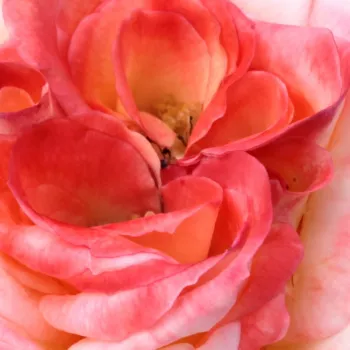
Double, high‑centred blooms with 26–39 petals; medium flower size on mainly solitary stems, strongly remontant with a generous second flush, classic pointed buds for cutting. |
| Colour data and phenology |
Bicolour petals: cream‑white base with vivid carmine‑red edge (RHS 46A, 155D); buds deep carmine, ageing to softer ivory‑white tones, overall medium colour retention with moderate fading. |
| Fragrance and aroma |
Strongly scented hybrid tea, with a well‑defined classic rose perfume intended primarily for human enjoyment rather than pollinator support, as the full blooms largely enclose the stamens. |
| Hip characteristics |
Rosehip set is generally light; when present it bears small spherical orange‑red hips around 10–14 mm in diameter, adding a discreet late‑season detail rather than a major display. |
| Resistance and winter hardiness |
Good overall health, with resistance noted to powdery mildew, black spot and rust; hardy to approximately −21 to −18 °C (USDA 6b, RHS H7), suitable for most temperate UK gardens. |
| Horticultural recommendations |
Best in full sun with reasonably drained soil; space 55–100 cm depending on use, water during prolonged dry spells, and prune annually to maintain strong flowering stems and shape. |
JOY OF LIFE offers tall, elegant bicolour blooms, strong fragrance and reliable health on a long‑lived own‑root framework, making it a thoughtful choice for relaxed, coastal‑inspired family gardens.