JULIE DE MERSAN – pink historic moss rose – Thomas
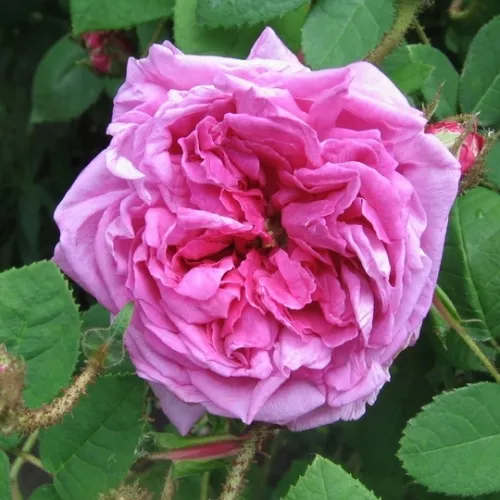
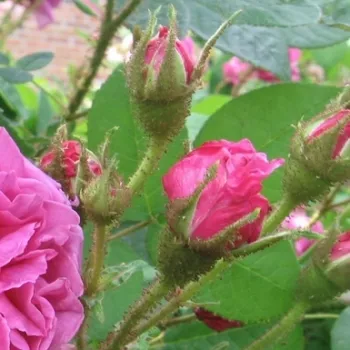
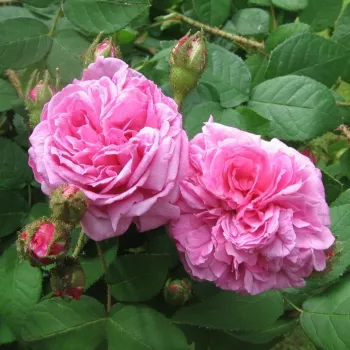
Julie de Mersan brings a touch of coastal romance to small and medium family gardens, combining richly sweet, resinous fragrance with nostalgic, mossed buds in a compact, bushy habit that is easy to place near a veranda or terrace. Once-flowering but very generously in early summer, it offers a concentrated season of colour in layered, very double, mid- to pastel-pink blooms that feel especially at home beside shingle, pale gravel and sea-themed planting. Own-root production supports long-term garden stability, helping the shrub recover well after pruning and weather, while the woody framework anchors reliably in windy, coastal conditions and copes well where you manage moisture on heavier soils with improved drainage. Over the first three years it settles in steadily – first strengthening roots, then building shoots, and finally showing its full ornamental character as the mossed buds, dense foliage and softly silvery-pink petals knit into your garden’s ambience. Ideal where you wish to enjoy a sheltered cup of tea after a breezy beach walk, its moderate maintenance needs are well within the scope of beginners who are happy to water regularly and carry out light pest checks.
Usage options
| Target area |
Reasoning |
| Coastal veranda container (large pot) |
Planted in a 40–50 litre container, Julie de Mersan forms a bushy, upright shrub that screens wind while keeping an airy feel beside seating. The strongly scented, mossed buds create a romantic, seaside tea-corner focus for owners of coastal verandas. |
| Small family shingle or gravel garden |
Its compact spread and once-a-year but abundant flowering suit modest plots, creating a highlight moment without demanding constant deadheading. Works especially well where shingle or pale gravel echo its pastel pinks for busy family gardeners. |
| Feature rose near seating or doorway |
The very strong, garden-filling fragrance and richly double flowers reward close viewing, while the dark, matt foliage provides a calm backdrop. Planted near a bench or door, it offers high impact from a single shrub for fragrance-loving homeowners. |
| Historic or collection border |
As an 1850s French moss rose, it brings authentic historic character and mossed buds to themed borders or collections. Own-root plants age gracefully, rebuilding after pruning and remaining reliable year after year for heritage rose enthusiasts. |
| Sheltered coastal hedge or wind-filter |
In a loose line at 80 cm spacing, its bushy framework and dense foliage form a soft wind-filter rather than a solid barrier, well suited to breezier British gardens where steady moisture and sensible drainage help it cope with exposed conditions for coastal-style gardeners. |
| Medium-sized flower bed focal point |
As a specimen at around 170 cm from neighbours, its height and clustered blooms create a focal dome of pink in early summer. The once-flowering habit suits gardeners who enjoy a defined rose season framed by perennials for thoughtful garden planners. |
| Scented garden with classic companions |
Combining Julie de Mersan with lavender, sea kale or fine grasses like Festuca sets off its colour and perfume, while the own-root resilience gives a long-lived backbone to a low-key border scheme for low-maintenance scent seekers. |
| Beginner’s first historic shrub rose |
Moderate maintenance means regular watering and occasional pest checks rather than complex pruning, while own-root sturdiness offers a forgiving introduction to heritage roses as the plant builds roots, then structure, then full display for curious beginner gardeners. |
Styling ideas
- Coastal-Teacup – Position in a 50 litre tub on a west-facing veranda with pale shingle mulch and a bistro set for wind-filtered, evening fragrance – ideal for seaside veranda owners.
- Pink-Shingle – Plant in a gravel bed with sea kale and blue Festuca, letting the pastel pink blooms glow against stones and grasses – for coastal-style lovers.
- Heritage-Corner – Use as a solitary shrub framed by aged terracotta pots and a simple wooden bench to highlight its 19th-century French character – for history-minded romantics.
- Scent-Ribbon – Create a loose hedge near a path, interplanted with Lavandula and Penstemon ‘Husker Red’ to mix perfume and foliage contrast – for keen but time-poor gardeners.
- Veranda-Mosaic – Combine one Julie de Mersan in a large container with low sea-themed ornaments and white Physostegia in nearby pots – for beginners wanting quick coastal charm.
Technical cultivar profile
| Parameter |
Data |
| Name and registration |
Historic moss shrub rose; current trade name Julie de Mersan – pink historic moss rose – Thomas; ARS exhibition name Julie de Mersan; unregistered cultivar in the moss rose group. |
| Origin and breeding |
Historic French moss rose first bred in France around 1854; breeder Désiré Thomas; introduced commercially by F. C. Davis in Australia in 1862; parentage and breeding institution unknown. |
| Growth and structural characteristics |
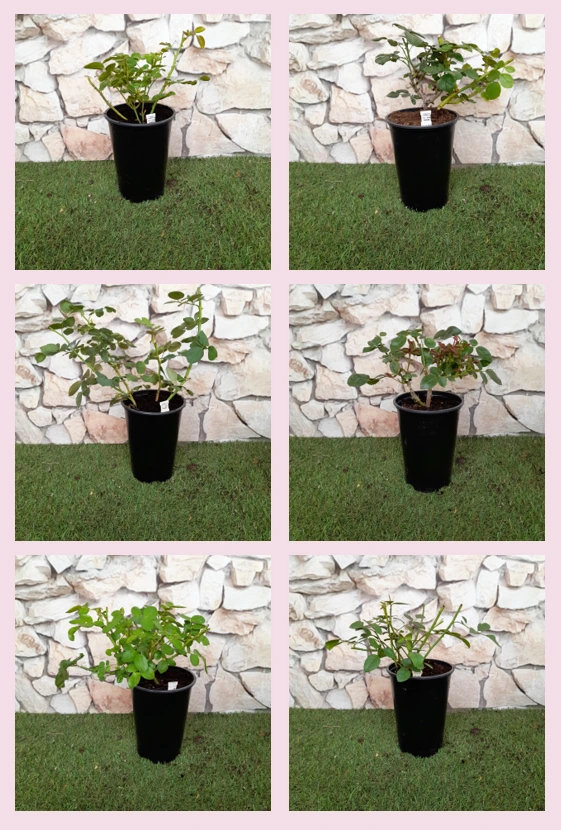
Bushy shrub, typically 105–175 cm tall and 70–110 cm wide, with dense, dark green matt foliage and moderate prickliness; forms a well-branched woody framework suitable for specimen use or loose hedging. |
| Flower morphology |
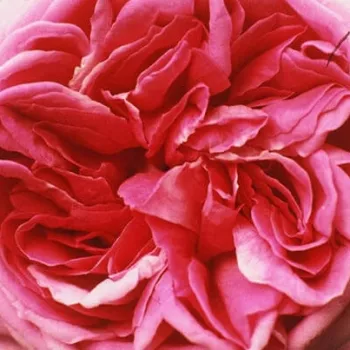
Large, cluster-borne, very double flowers with 40+ petals in a round, pompon form; once-flowering in early season rather than repeat-blooming, providing one generous flush of display each year. |
| Colour data and phenology |
Pure, intense pink buds (RHS 57C outer, 62B inner) open mid-pink, then fade to pastel with a silvery tinge; colour retention moderate, with a soft, nostalgic look as blooms age and petals pale. |
| Fragrance and aroma |
Very strong, garden-filling perfume with a richly sweet, resinous character enhanced by the mossed buds; primarily grown as an ornamental and scent rose rather than for pollinator value or cutting. |
| Hip characteristics |
Occasionally bears small spherical red hips, around 11–19 mm diameter; hips are decorative in a subtle way but not typically produced in large quantities on every plant or season. |
| Resistance and winter hardiness |
Fully hardy in much of the UK, approximately USDA zone 5b, RHS H7, tolerating about -26 to -23 °C; disease resistance moderate to powdery mildew, blackspot and rust with ordinary care and hygiene. |
| Horticultural recommendations |
Best in sunny, moist but well-drained soil; prefers consistent moisture rather than drought; plant 90 cm apart for beds, 80 cm for hedging, or 170 cm as specimen; maintenance moderate, needing occasional pest management. |
Julie de Mersan offers richly fragrant historic blooms, compact structure and long-lived own-root resilience in a form that suits coastal-inspired, low-fuss gardens, making it a thoughtful choice if you enjoy slow, seasonal rose moments.