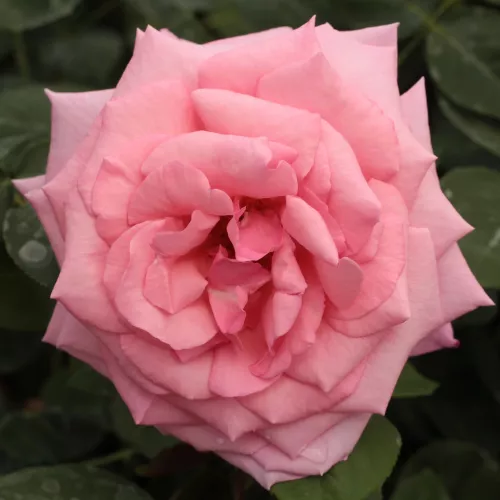
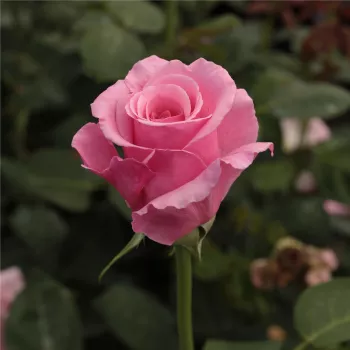
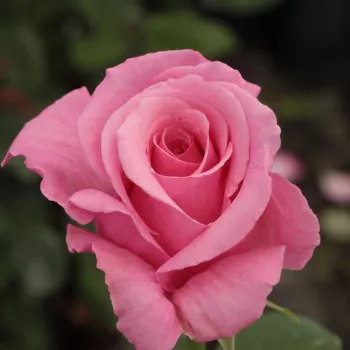
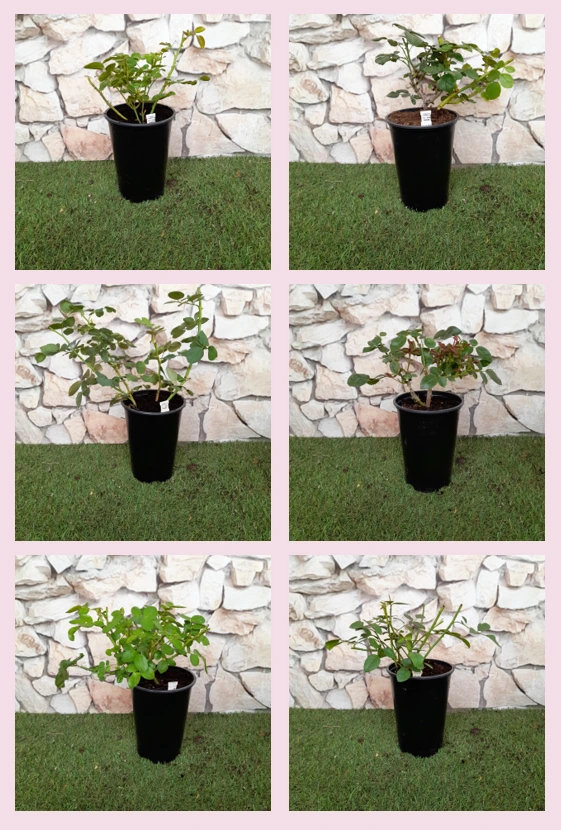
KANIZSA – pink hybrid tea rose – Márk
Imagine cupping a shell-pink bloom after a blustery coastal walk: KANIZSA brings that sense of quiet refreshment to a small family garden, veranda pot or sheltered shingle bed. This compact hybrid tea offers elegance in every long-stemmed flower, with a classic high-centred form that suits cutting for the house as much as outdoor enjoyment. Its mid-pink petals soften to a silvery blush as they age, giving lasting ornament even as individual blooms pass. Own-root growth means dependable regrowth after wind, careful pruning or winter, supporting a genuinely long-term planting. Planted into well-prepared soil that ensures secure anchoring in coastal breezes, it settles steadily over time, following the natural rhythm of year one for roots, year two for structure, and year three for full impact and calm presence.
Usage options
| Target area | Reasoning |
|---|
| Small coastal front garden bed |
The compact, bushy habit makes KANIZSA easy to place in tight Cornish or Devon front gardens where space is limited but a focal rose is wanted; once settled, its own-root stability and regrowth help it cope gracefully with blustery, salt-laced air for coastal-style beginners. |
| Feature rose in a 40–50 litre veranda container |
Planted in a large, well-drained pot of at least 40–50 litres, KANIZSA’s moderate height and upright hybrid tea form create a tidy, structured accent for verandas; own-root growth supports long-term container life, offering a reliable choice for busy urban veranda gardeners. |
| Cutting patch near the patio |
The high-centred, long-stemmed blooms are ideal for cutting, so a short row by the patio can become your personal cutting patch for weekend vases; its once-a-season flush provides a focused period of abundant stems for hobby flower arrangers. |
| “Girly” pink focal point in a shingle border |
The clear mid-pink colour softening to silvery blush tones pairs beautifully with pale gravel, sea kale and soft grasses, delivering a romantic, “girly” accent that reads well from the kitchen window for style-conscious family gardeners. |
| Structured accent among ornamental grasses |
The moderately spreading, upright framework stands out against fine-textured Festuca or other coastal grasses, giving you a clear vertical accent without overwhelming the planting; own-root durability means the shape can be renewed over time for design-focused home owners. |
| Sunny rose corner with wildlife interest |
Occasional orange-red hips following flowering add late-season structure and subtle wildlife value at the back end of the year, extending ornamental interest beyond the bloom period for nature-aware family gardeners. |
| Long-term rose in a family planting plan |
Although it needs regular disease monitoring, once a routine is in place KANIZSA’s hardy root system and own-root robustness support a genuinely long-lived shrub that can form part of a 10–15 year garden plan for forward-planning home gardeners. |
| Sheltered, sunny seating nook by the house |
In a warm, sunny niche protected from the strongest sea gusts, KANIZSA’s medium-strength fragrance is most noticeable, giving a gentle scent backdrop to afternoon tea; set in well-drained soil that allows firm rooting against coastal winds, it rewards patient coastal veranda owners. |
Styling ideas
- Coastal-Veranda Duo – Grow KANIZSA in a 50 litre clay pot with blue Festuca for movement and a pale shingle mulch to echo the beach – ideal for coastal-style beginners.
- Pink-Cut Patch – Plant a short row with easy fillers like Physostegia ‘Crystal Peak White’ for cut stems and supporting spikes – perfect for hobby florists at home.
- Gentle-Wildlife Corner – Combine KANIZSA with low Lonicera nitida ‘Maigrün’ and leave some hips for seasonal interest – suited to family gardeners who enjoy subtle wildlife value.
- Formal-Accent Trio – Space three plants at 60 cm in a sunny bed framed by low evergreen edging for a neat, classic hybrid tea look – good for homeowners wanting structure.
- Shingle-Romantic Mix – Set KANIZSA in a pink-and-silver scheme with sea kale and soft lavender tones over light gravel – for those seeking a soft, “girly” coastal mood.
Technical cultivar profile
| Parameter | Data |
|---|
| Name and registration |
Hybrid tea rose; trade name KANIZSA – pink hybrid tea rose – Márk; named after the town of Nagykanizsa in Zala County; exhibition-type, suitable for cutting and garden display. |
| Origin and breeding |
Bred by Márk Gergely in Hungary, 1993, at Budatétényi Kertészeti Kutató Intézet; introduced later by PharmaRosa Ltd.; exact registration and introduction years currently not documented. |
| Growth and structural characteristics |
Bushy, moderately spreading hybrid tea, around 65–95 cm high with 50–70 cm spread; mid-green, slightly glossy foliage of moderate density; moderately thorny, forming a tidy, compact garden shrub. |
| Flower morphology |
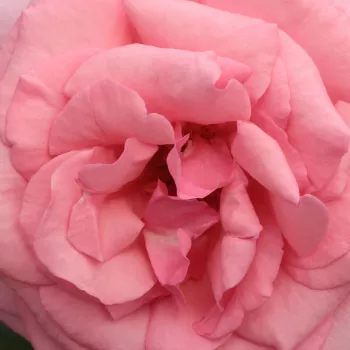
Classic high-centred hybrid tea blooms with pointed buds, double flowers carrying 26–39 petals; large-sized (about 7–10 cm) solitary blooms, mainly for cutting and display rather than mass bedding effect. |
| Colour data and phenology |
Uniform mid-tone pink flowers (RHS 65C outer, 65D inner); outer petals vivid fresh pink when opening, gently fading to a delicate silvery-pink tone; not remontant, providing one main flowering period per season. |
| Fragrance and aroma |
Medium-strength fragrance, most noticeable in warm, sunny weather; a typical rose scent character, providing appreciable perfume around seating areas without being overpowering in small spaces. |
| Hip characteristics |
Occasional ellipsoidal hips, about 10–14 mm, orange-red when ripe; offer a modest decorative effect and some seasonal wildlife value in autumn and early winter. |
| Resistance and winter hardiness |
Hardy to approximately −26 to −23 °C (RHS H7, USDA 5b, Swedish zone 4); average heat tolerance but needs irrigation in prolonged drought; disease sensitivity moderate to powdery mildew and black spot, high to rust. |
| Horticultural recommendations |
Prefers a sunny, open position and fertile, well-drained soil; maintenance needs are higher due to disease sensitivity, requiring regular monitoring and plant protection, plus consistent watering and feeding in containers. |
KANIZSA – pink hybrid tea rose – Márk offers elegant cuttable blooms, compact structure for small gardens and veranda pots, and long-lived own-root reliability; consider it if you enjoy caring for a distinctive, enduring rose.