KEITSUPIATSU – pink climbing rose – Keisei
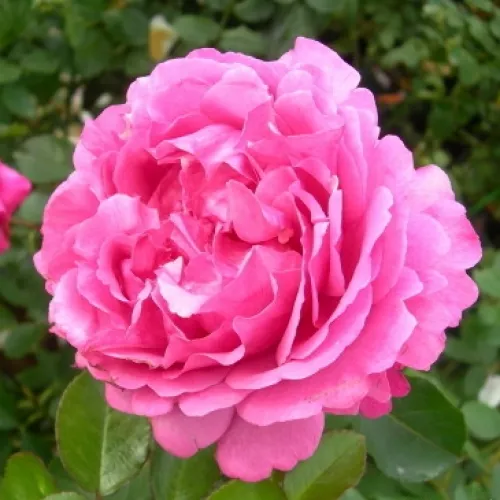
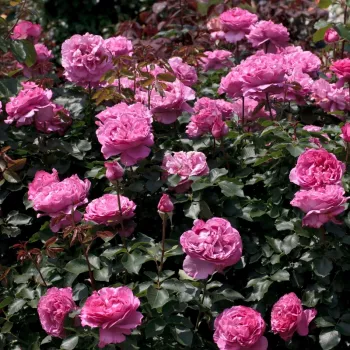
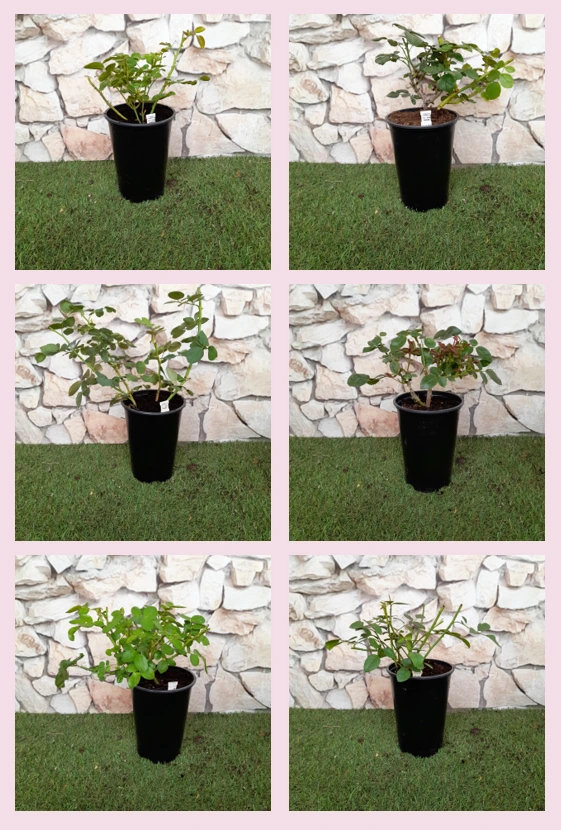
Imagine leaning back with afternoon tea on your coastal veranda, sheltered by a living curtain of KEITSUPIATSU, its fuchsia rosettes moving gently in the breeze as strong, sweet-citrus fragrance drifts around you. This climber has the structural height and spread to dress pergolas and windward fences, while its own-root longevity offers a dependable, long-term feature that settles in and improves each season. In a typical British garden, it copes reliably with blustery weather and salt‑tinged air by offering reassuringly firm growth and secure anchoring against supports. Large, very double flowers appear in generous flushes, rewarding even light-touch maintenance with a romantic, “girly” display that softens walls and screens. Planted into well-drained soil or a generous 40–50 litre container, it grows steadily from roots in year one, building stronger shoots in year two, then reaching full ornamental impact by year three for easy, long-lived coastal-style gardens.
Usage options
| Target area | Reasoning |
|---|
| Coastal veranda windbreak |
Ideal for softening salty, breezy seating areas with a vertical veil of bloom, this climber forms a stable framework that copes well with blustery coastal conditions and secure anchoring once tied into its support, perfect for the relaxed coastal-style beginner. |
| Small family garden fence cover |
Useful where space is limited, KEITSUPIATSU trains flat against fences, lifting colour and scent above play areas while keeping ground space free for other plants, giving a tall yet contained feature that suits time-pressed homeowners. |
| Pergola over seating area |
Its XL, very double flowers and strong scent create a romantic overhead canopy, giving shade and privacy through the season with only occasional tying-in and deadheading, a rewarding choice for relaxed evening-tea gardeners. |
| Large container on sheltered patio |
Planted in a 40–50 litre container with good drainage, this own-root climber develops steadily from a compact starter plant into a long-lived patio feature with repeat flowering, well suited to balconies and patios for busy urban residents. |
| Feature rose in coastal shingle border |
Works well as a vertical accent among sea kale, Festuca and low Lavandula, adding colour and structure while coping reliably with breezy, exposed sites where regular but simple care suits coastal-style enthusiasts. |
| Lightly shaded wall or arch |
Performs respectably in partial shade, carrying its deep pink blooms where sun is limited, such as east-facing walls, offering dependable colour and scent without demanding a prime suntrap, ideal for constraint-aware gardeners. |
| Long-lasting structural planting |
The own-root habit supports a long lifespan and good regeneration after pruning, giving a sustainable, repeat-flowering framework that matures rather than exhausting itself, attractive for low-intervention, future-minded planners. |
| Cut-flower corner near the house |
Its large, very double, scented blooms are excellent for cutting, rewarding a short stroll with vases of fuchsia-pink roses over a long season, an easy way to bring luxury indoors for everyday users. |
Styling ideas
- Seaside-porch arch – Train KEITSUPIATSU over a simple arch by a shingle path, underplant with sea kale and blue Festuca for a breezy Cornish feel – ideal for coastal-style lovers seeking romance in small spaces.
- Girly-tea pergola – Let the climber drape a pergola beside a bistro set, backed by soft pink foxgloves for a layered, feminine look – suited to those who want easy glamour for afternoon tea corners.
- Patio-screen pot – Grow it in a 50 litre container with a slim trellis to form a scented privacy screen on town patios – perfect for busy urban owners needing vertical colour without major ground works.
- Family-fence gallery – Space plants along a boundary fence, weaving stems horizontally for a wall of repeat bloom that frees lawn space – good for family gardens where play and planting must coexist.
- Romantic-cutting nook – Place one near the back door with simple companions like Lavandula and Caryopteris, making quick, fragrant cut flowers easy to gather – appealing to hobby florists at home.
Technical cultivar profile
| Parameter | Data |
|---|
| Name and registration |
Climbing hybrid tea from the Romantica collection; large-flowered climber group. Registered cultivar name KEItsupiatsu, commercial name Keitsupiatsu Romantica KEItsupiatsu. |
| Origin and breeding |
Sport of ‘Yves Piaget’ bred by Keisei Rose Nursery in Japan, 2005; introduced by Meilland Richardier in Europe from 2016 for ornamental climbing use. |
| Growth and structural characteristics |
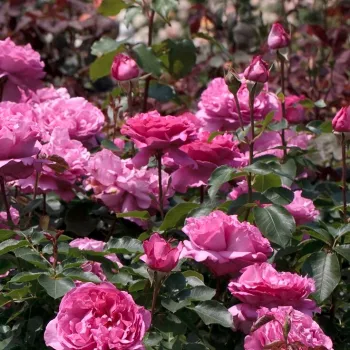
Vigorous climbing habit, typically 160–260 cm high with 120–200 cm spread; moderately dense, mid-green, slightly glossy foliage and moderate prickliness on main canes. |
| Flower morphology |
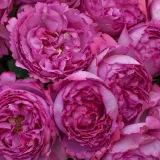
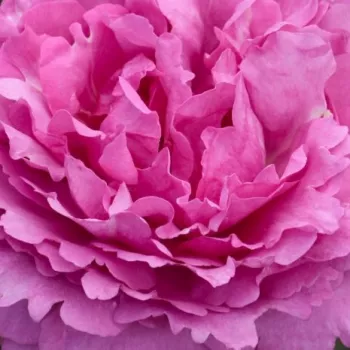
Very double, cupped, XL blooms with 40+ petals, mostly solitary on stems; remontant with a generous second flush when regularly deadheaded and moderately fertilised. |
| Colour data and phenology |
Closed buds dark raspberry pink; open flowers vibrant deep pink with warm fuchsia tone, ageing to powder pink with a silvery sheen; colour lightens further in strong sunlight. |
| Fragrance and aroma |
Very strong, sweet-citrus rose fragrance, noticeable from a distance in still air; primarily ornamental, as the very double form reduces pollen access for visiting insects. |
| Hip characteristics |
Hip set generally sparse because of the very double flowers; when present, small spherical red hips around 9–15 mm contribute modest late-season decorative interest. |
| Resistance and winter hardiness |
Moderate overall disease resistance with good tolerance to powdery mildew and black spot, rust moderately; hardy to about −21 °C (RHS H7, USDA 6b, Swedish zone 3) with normal care. |
| Horticultural recommendations |
Best on pergolas, fences or walls at 140–250 cm spacing; prefers well-drained soil and regular watering in drought, with occasional plant protection and simple annual pruning. |
KEITSUPIATSU combines a strong, sweet fragrance with generous vertical flowering and long-lived own-root reliability, making it a considered choice for those planning a relaxed, romantic garden feature.