KEMPELEN FARKAS EMLÉKE – light pink flowerbed polyantha rose - Márk
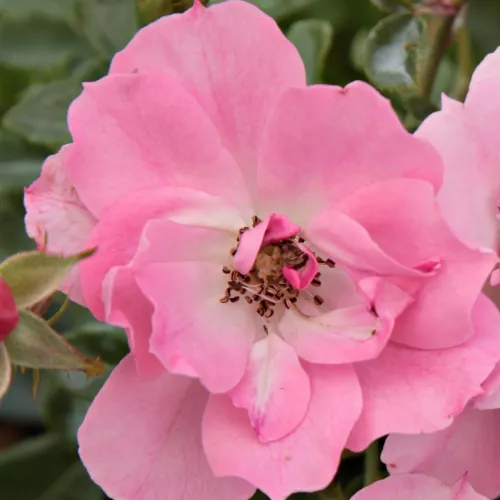
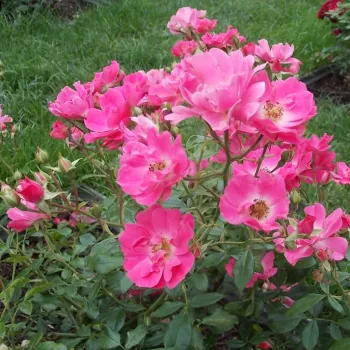
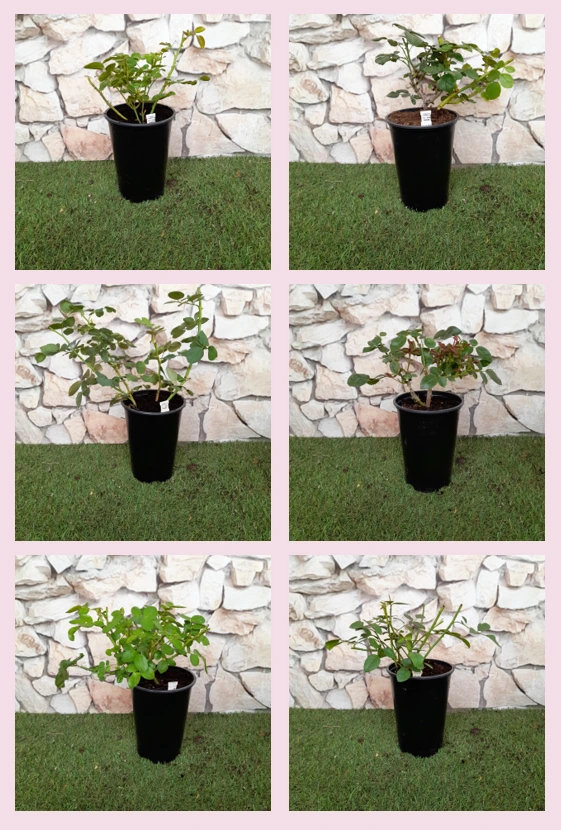
Invite a sense of seaside refreshment to your garden with this compact, cluster-flowering rose, ideal for sheltered Cornish or Devon verandas where it can cope well with breezy weather and thoughtfully managed drainage. Its low, spreading habit forms a neat flowering cushion, bringing soft light-pink colour from early summer onwards. The semi-double blooms shed their petals cleanly, so the plant looks consistently tidy with very little input from you. As an own-root rose, it quietly builds a dependable framework for the long term: roots in year one, more confident shoots in year two, then full ornamental impact by year three. Plant it in a generous 40–50 litre container or in a small family border, where its glossy mid-green foliage and pastel petals create an easy-care coastal haven. Designed for busy gardeners who want reliable flowering and stable structure, it settles in quickly and keeps your outdoor space looking effortlessly cultivated.
Usage options
| Target area | Reasoning |
|---|
| Coastal veranda container (40–50 L) |
Its compact, spreading habit and dense foliage make it ideal for a large tub on a sheltered seaside veranda, where regular watering is simple and wind exposure is manageable for beginners. |
| Front-of-border in small family garden |
Low height and good repeat flowering create a soft pastel edge in a modest front garden, keeping views open while providing colour at child’s-eye level for relaxed homeowners. |
| Shingle or gravel strip with good drainage |
The shallow, spreading framework anchors well in free-draining gravel, and the self-cleaning blooms reduce deadheading, easing upkeep in decorative coastal-style strips for busy urbanites. |
| Low flowering hedge along a path |
Regular spacing quickly knits into a low, airy hedge; repeated flushes of cluster blooms guide the eye and soften paving without overshadowing narrow paths, suiting practical garden-focused families. |
| Mass bedding in sunny front lawn recess |
Planted at recommended densities, the rose forms a cohesive, long-lived carpet of light-pink clusters that looks organised with minimal shaping, ideal for low-maintenance-minded planners. |
| Underplanted around a standard rose or small tree |
The modest height and spreading habit allow it to act as a living understorey, covering bare stems while not competing excessively, appealing to design-conscious garden enthusiasts. |
| Pollinator-friendly corner in a family garden |
Semi-double flowers offer partly accessible stamens, so you gain both ornamental effect and moderate pollinator interest, making it a gentle choice for wildlife-aware beginners. |
| Wind-buffered seating nook by the house |
Used in clusters near a sheltered terrace, it helps define a calm sitting area, coping reliably with typical British wind and rain when drainage is thought through, pleasing relaxation-seeking owners. |
Styling ideas
- Coastal-cup – Sink a 40–50 L container into a shingle corner and pair with blue Festuca and sea kale for a soft seaside palette – ideal for coastal-style lovers.
- Pastel-ribbon – Line a front path with evenly spaced plants, weaving in low Lavandula for fragrance and contrast – suited to tidy, family-focused gardeners.
- Veranda-nest – Place one big pot by a sheltered chair on a balcony, with trailing Calamintha for movement – perfect for busy urban balcony owners.
- Shell-garden – Dot plants through a gravel bed with Liatris ‘Kobold’ for vertical spikes, echoing collected seashell displays – appealing to creative hobby gardeners.
- Pink-parterre – Use square or hexagonal planting in a small formal bed, underplanting a standard rose to create structured yet soft geometry – for design-led homeowners.
Technical cultivar profile
| Parameter | Data |
|---|
| Name and registration |
KEMPELEN FARKAS EMLÉKE is a polyantha bedding rose used as a cluster-flowered bed rose; current trade and exhibition name as listed, with no separate registered code. |
| Origin and breeding |
Bred in Hungary in 1994 by Márk Gergely, introduced commercially by PharmaRosa Ltd.; parentage and original breeding institution are not documented in available records. |
| Growth and structural characteristics |
Low, spreading shrub reaching about 40–60 cm in height and 55–85 cm in width, with dense, mid-green, glossy foliage and moderate prickliness, forming a compact bedding structure. |
| Flower morphology |
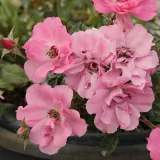
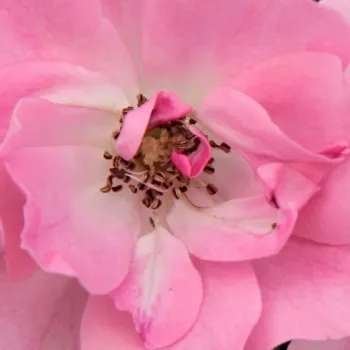
Semi-double, cup-shaped clusters of small flowers around 0.5–1.5 inches across, carrying roughly 13–25 petals and repeating reliably with a generous second flush in season. |
| Colour data and phenology |
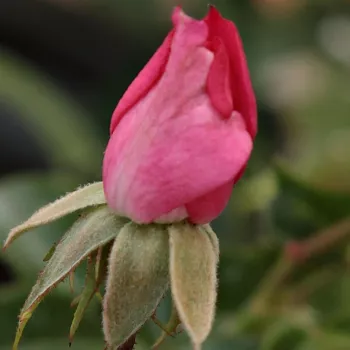
Light pink with slight purplish tint; buds show a lavender veil, blooms fade gradually from powdery pastel to creamy, softly glowing centres, maintaining ornamental detail as they mature. |
| Fragrance and aroma |
No noticeable fragrance; selected primarily for visual effect rather than scent, making it suitable where unobtrusive scent is preferred or fragrance is provided by companion plants instead. |
| Hip characteristics |
Produces moderately abundant spherical hips, about 6–9 mm in diameter, turning orange-red as they ripen, adding a light decorative effect in the later season when flowers are fewer. |
| Resistance and winter hardiness |
Hardy to approximately −21 to −18 °C (RHS H7, Swedish zone 3, USDA 6b), with moderate tolerance to black spot, powdery mildew and rust; average heat–drought tolerance with watering needed. |
| Horticultural recommendations |
Best in full sun with reasonable soil moisture and drainage; plant 50–60 cm apart for hedging or bedding, up to 90 cm as a specimen, using own-root plants for stable, long-term performance. |
KEMPELEN FARKAS EMLÉKE offers compact, repeat flowering clusters, self-cleaning pastel blooms and the long-lived reliability of an own-root rose; a thoughtful choice if you favour gentle, low-effort structure and colour.