Kizuna Les Provençelles® – apricot nostalgic shrub rose
The romantic Kizuna shrub rose brings a soft, pastel glow to compact coastal and family gardens, combining nostalgic rosette blooms with a strong, lingering fragrance. Its compact, upright habit fits effortlessly into smaller borders or a 40–50 litre container on a veranda, where dense, glossy foliage helps create a gentle windbreak that copes well with blustery, salt‑tinged days near the sea. Large, very full blooms repeat generously, offering a long flowering season from summer into autumn, while own‑root planting supports a reassuringly long lifespan, with the plant steadily strengthening year by year. With patient, regular care, Kizuna rewards you with enduring character and elegant, seaside‑inspired ambience.
Usage options
| Target area | Reasoning |
|---|
| Feature rose for small family borders |
Kizuna’s compact, upright habit and dense structure make it ideal as a focal shrub in modest front or back gardens, giving height and romance without overwhelming nearby plants, especially for time‑pressed family gardeners who value graceful simplicity for beginners. |
| Coastal veranda in large containers |
Planted in a 40–50 litre pot with good drainage, Kizuna forms a sheltered, scented presence on exposed decks and balconies, its glossy foliage coping with breezy, salt‑tinged conditions that are typical of many Cornish and Devon verandas, delighting coastal‑style lovers and homeowners. |
| “Girly” pastel seating corner |
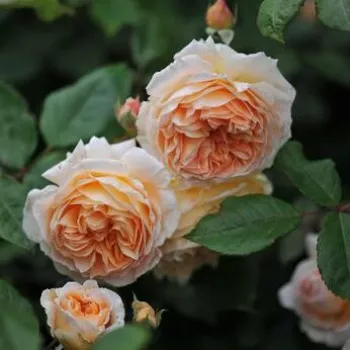
The peach‑to‑pink rosette flowers and nostalgic look lend themselves beautifully to a soft, feminine nook for afternoon tea, pairing well with pale cushions, soft throws and light gravel for those creating calm, romantic pockets in everyday gardens as busy urban gardeners. |
| Season‑long aroma near seating |
Kizuna’s strong, classic rose fragrance and generous repeat flowering make it a natural choice by benches or terraces, where you pass frequently and can enjoy the scent on warm evenings, suiting those who want high sensory impact from limited space as casual enthusiasts. |
| Nostalgic mixed border with perennials |
The large, very full blooms partner gracefully with airy companions such as Penstemon or garden pinks, giving layered texture and a cottage‑style feel while the own‑root plant builds a stable framework over several seasons, rewarding patient hobby gardeners. |
| Long‑term structural rose in family gardens |
As an own‑root shrub, Kizuna can regenerate from its base if pruned harder or after setbacks, supporting a long working life in the same spot and protecting your initial investment, which particularly reassures budget‑conscious yet quality‑seeking buyers. |
| Step‑by‑step development project |
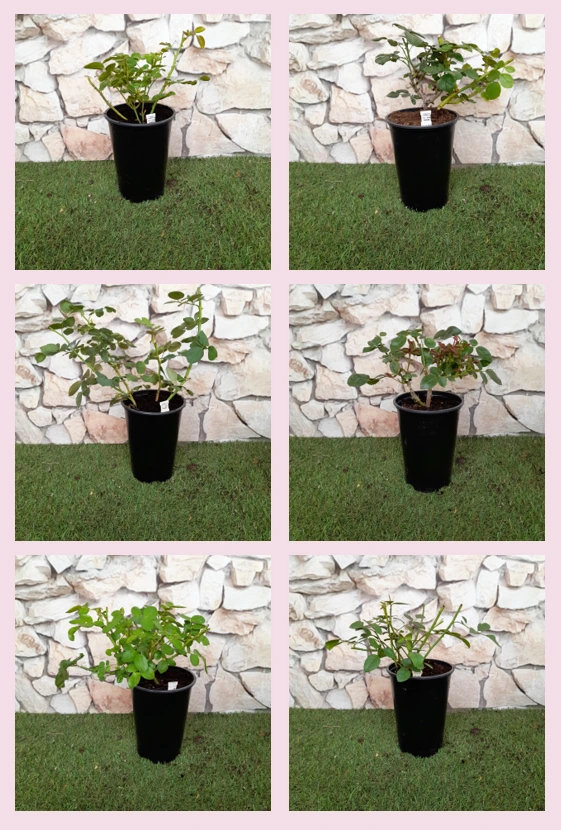
Kizuna suits those happy to watch a plant mature gradually: first year establishing roots, second year building stronger shoots, and by the third year showing its full ornamental effect, fitting patient planners and long‑view garden owners. |
| Structure for light windbreak planting |
Planted in a loose row with grasses and sea‑inspired companions, Kizuna’s dense foliage and upright frame help visually anchor shingle or clay‑improved beds while softening wind, appealing to anyone shaping relaxed, weather‑tolerant edges as coastal‑loving novices. |
Styling ideas
- Seaside-Tea Nook – place Kizuna beside a bistro set on shingle, with pale paving and sea‑blue cushions, to create a gently scented spot reminiscent of coastal cafés – ideal for veranda‑loving homeowners.
- Pastel-Romantic Border – weave Kizuna between garden pinks and airy Penstemon for layered, nostalgic colour that matures over seasons – perfect for hobby gardeners who enjoy watching borders evolve.
- Elegant-Windbreak Pot – in a 40–50 litre container, underplant with silver grasses for movement and light shelter around a seating area – suited to small coastal gardens and balconies.
- Family-Photo Backdrop – use Kizuna as a compact, fragrant backdrop near lawns or play areas where height is needed without sprawl – good for families wanting easy yet photogenic planting.
- Own-Root Heritage Corner – group Kizuna with other long‑lived shrubs to form a stable, low‑change area that quietly improves year by year – attractive for planners who prefer dependable, enduring structure.
Technical cultivar profile
| Parameter | Data |
|---|
| Name and registration |
Shrub nostalgia rose from the Les Provençelles collection; registered as MASkizu, marketed as Kizuna Les Provençelles MASkizu, with Kizuna approved as the American Rose Society exhibition name. |
| Origin and breeding |
French-bred by Dominique Massad from the cross ‘Versigny’ × ‘Jocelyne Salavert’; registered and bred in 2012, introduced commercially in Central Europe from around 2013 via Pétales de Roses. |
| Growth and structural characteristics |
Upright shrub reaching about 100–140 cm in height and 50–80 cm spread, with dense, dark glossy foliage and moderate prickliness; forms a solid, structural bush suited to borders and small feature plantings. |
| Flower morphology |
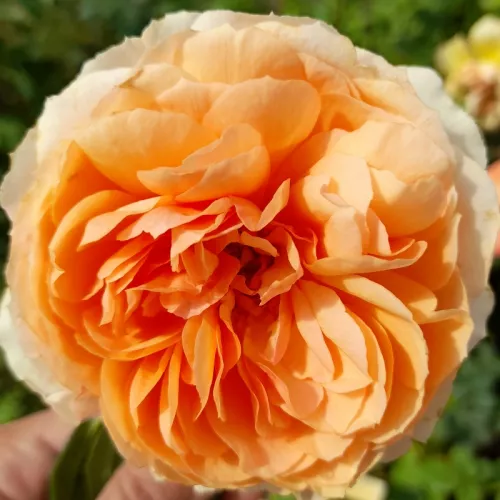
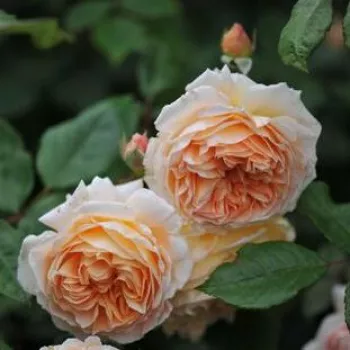
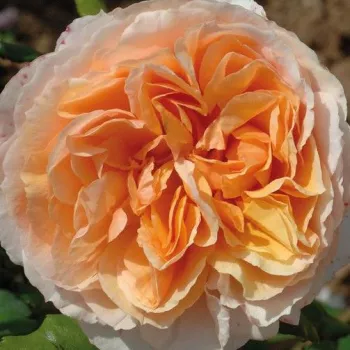
Very full, rosette-shaped blooms over 3.5 inches across, carried in corymbose clusters; remontant habit provides a notable second flush after the main flowering, supporting extended decorative display through the season. |
| Colour data and phenology |
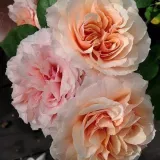
Peach to pastel peach-pink flowers with creamy apricot tones and a subtly yellower centre; colour lightens towards the petal edges and may fade softly in strong sun while maintaining overall harmony on the shrub. |
| Fragrance and aroma |
Strong, long-lasting classic rose scent, noticeable at close range and suitable for seating areas or cut flowers; double, petal-rich blooms reduce stamen access, so ornamental value is prioritised over pollinator support. |
| Hip characteristics |
Produces occasional small ellipsoid hips, about 8–12 mm across, coloured orange-red; hips are not typically a primary ornamental feature but may add subtle late-season interest at close inspection. |
| Resistance and winter hardiness |
Hardy to approximately −26 to −23 °C (RHS H7, USDA 5b, Swedish zone 4); however very susceptible to common rose diseases, so regular, proactive plant protection is important to maintain foliage and flowering quality. |
| Horticultural recommendations |
Best in full sun with fertile, well-drained soil; needs attentive care and protective spraying in damp periods, with recommended spacings from 50 to 85 cm depending on use, suitable for borders, specimens or cut flowers. |
Kizuna Les Provençelles® MASkizu offers compact structure, romantic repeat flowering and a strong classic scent in a long-lived own-root form that rewards patient gardeners; consider it where you value character as much as colour.