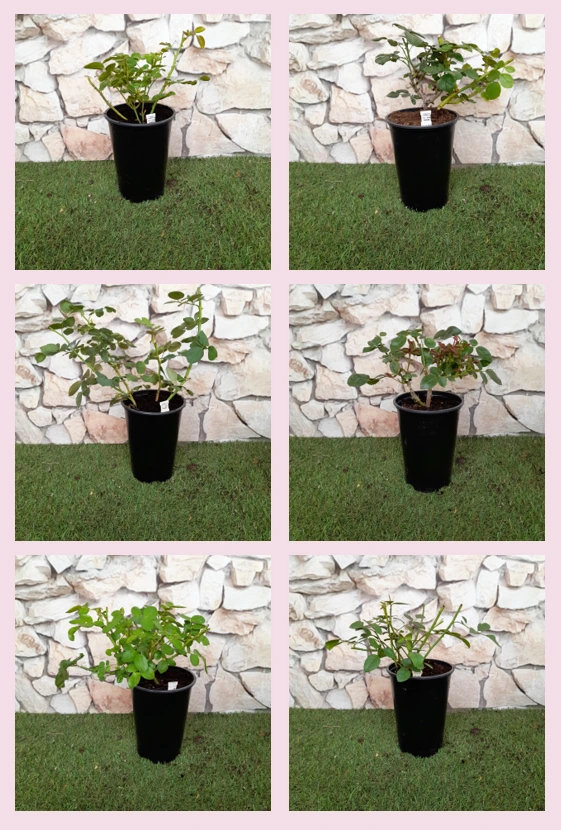
KÓS KÁROLY EMLÉKE – pink hybrid tea rose for coastal verandas
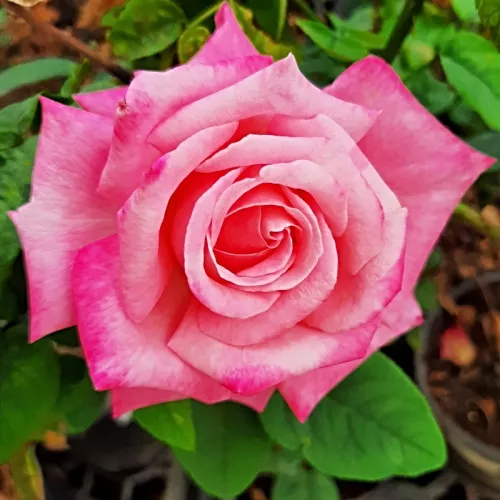
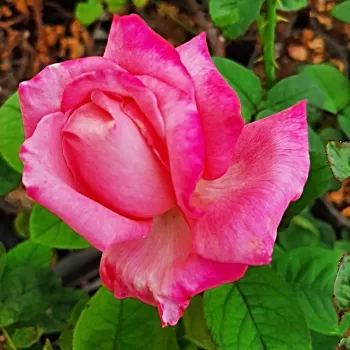
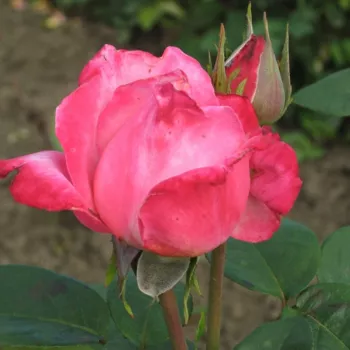
Sink into your after‑beach tea with the tranquil presence of KÓS KÁROLY EMLÉKE, a compact hybrid tea that feels made for shingle beds, sheltered verandas and small family gardens. Its mid‑pink, high‑centred blooms open from elegant buds into neat, double flowers that repeat through summer with a mild, classic rose fragrance. On its own‑roots it builds a long‑lived, reliable framework that copes steadily with breezy, exposed sites while still preferring a snug, wind‑filtered corner near the house. In a generously sized 40–50‑litre container or a well‑drained bed, it establishes, then unfurls more each season – roots in year one, taller flowering shoots by year two, and full ornamental presence by year three – giving you enduring coastal elegance, gentle freshness, manageable maintenance, steady structure, compact proportion, soft colour, own‑root resilience and quietly uplifting fragrance for many summers.
Usage options
| Target area | Reasoning |
|---|
| Coastal veranda in large containers |
In a 40–50 litre pot this compact, erect shrub holds its shape well, giving you a tidy, upright focus beside outdoor seating without dominating the space. Own‑root growth means it settles in and regrows reliably after wind or minor damage, particularly reassuring for beginners. |
| Small front garden by the path |
The moderate height and neat spread make it ideal beside front paths or drives, where rich mid‑pink flowers create a welcoming accent without blocking sight lines. Its structured habit reads as intentional planting, which suits busy homeowners. |
| Shingle or gravel bed with drainage |
Set into a free‑draining shingle or gravel strip, this rose anchors visually among pebbles while its own‑root system builds long‑term stability below the surface, supporting steady top growth in a site where heavier‑grafted plants may struggle for longevity. |
| Mixed coastal border with grasses |
Paired with low Festuca and sea‑inspired perennials, the tidy, upright form threads easily into a narrow mixed border, offering vertical accents of mid‑pink against swaying foliage and coping well with a site that often combines brisk winds with moist, heavier soils for urbanites. |
| Romantic seating nook windbreak |
Planted in a short line near a bench, the compact, erect shrubs create a light visual wind filter without casting deep shade. Repeating, high‑centred blooms bring a gentle sense of occasion to evening tea, while the mild perfume remains pleasant for scent‑sensitive visitors. |
| Feature rose in family back garden |
As a solitary specimen, its balanced height and dense foliage give year‑round structure, then repeating flushes of mid‑pink flowers from early summer onwards. On its own roots it keeps attractive form for many seasons, making it a sound investment for growing families. |
| Coastal clay border with improved drainage |
In UK coastal gardens with heavy clay, this rose responds well to a raised, well‑drained planting pocket where its own‑root system can develop undisturbed, gradually forming a resilient framework that handles gusty conditions once established, reassuring time‑pressed gardeners. |
| Cutting patch for home bouquets |
The high‑centred, exhibition‑style blooms on straight stems lend themselves to cutting for the house, and repeat flowering ensures a steady trickle of stems without stripping the plant. Quiet, classic fragrance suits simple arrangements favoured by relaxed coastal stylists. |
Styling ideas
- Veranda-Cups – One or two 50‑litre tubs flanking a coastal veranda door, underplanted with trailing thyme, give a refined tea‑time backdrop – ideal for balcony and veranda owners who want structure with little fuss.
- Shingle-Ribbon – A short ribbon of three roses in a shingle strip along a path, dotted with sea kale and low Festuca, echoes the shoreline – perfect for coastal‑style enthusiasts recreating a beach walk at home.
- Pink-Hedgerow – A low, informal line at 40 cm spacing beside a garden bench creates a semi‑transparent windbreak with repeated pink accents – suited to families seeking a pretty, manageable seating corner.
- Tea-and-Cuttings – A small cutting row near the patio mixed with lavender and Nepeta gives both perfumed path edges and flowers for the table – good for hobby gardeners who like arranging their own bouquets.
- Midnight-Accent – Plant against darker fencing with Virginia creeper for contrast, letting the satin mid‑pink blooms glow at dusk – appealing to busy urban gardeners wanting evening impact from limited planting.
Technical cultivar profile
| Characteristic | Data |
|---|
| Name and registration |
KÓS KÁROLY EMLÉKE hybrid tea rose, commercial group Hybrid Tea; exhibition‑type cut‑flower hybrid tea cultivar, part of the Hybrid tea rose collection, trade name verified for authenticity. |
| Origin and breeding |
Bred by Márk Gergely in Hungary around 2000 at the Horticultural Research Institute, Budapest; introduced commercially by PharmaRosa® Ltd., parentage unspecified, reflecting a regionally selected heritage. |
| Growth and structural characteristics |
Erect, compact shrub reaching about 80–110 cm high and 60–85 cm wide, with dense mid‑green, slightly glossy foliage and moderate prickliness, forming a tidy, upright framework suitable for beds or containers. |
| Flower morphology |
High‑centred, pointed‑budded hybrid tea flowers, double with around 26–39 petals, medium‑sized solitary blooms on strong stems, remontant with a particularly generous second flush in favourable conditions. |
| Colour data and phenology |
Uniform mid‑pink blooms (RHS 65B outer, 65C inner) with a satin sheen; buds darker and warmer, opening to vivid mid‑pink then fading to powder pink with occasional silvery petal edges and a luminous central eye. |
| Fragrance and aroma |
Mild, classic rose fragrance, noticeable on close inspection but not overpowering; suitable for seating areas and cut stems where a discreet, traditional scent is preferred over strong, room‑filling perfume. |
| Hip characteristics |
Occasional ovoid hips, about 12–16 mm, vivid red‑orange (RHS 40A), adding a subtle seasonal accent in late season but not a primary ornamental feature compared with the continuous flowering display. |
| Resistance and winter hardiness |
Hardy to approximately −26 to −23 °C (RHS H7, Swedish Zone 4, USDA 5b); disease resistance moderate to common foliar issues, benefits from routine monitoring and, where needed, light protective treatments. |
| Horticultural recommendations |
Plant 40–75 cm apart depending on use; prefers well‑drained soil and regular watering, especially in containers; moderate maintenance with occasional plant protection, feeding and deadheading to sustain repeat bloom. |
KÓS KÁROLY EMLÉKE offers compact structure, repeat mid‑pink flowering and discreet fragrance on a dependable own‑root framework, making it a thoughtful choice for relaxed coastal gardens and small verandas.