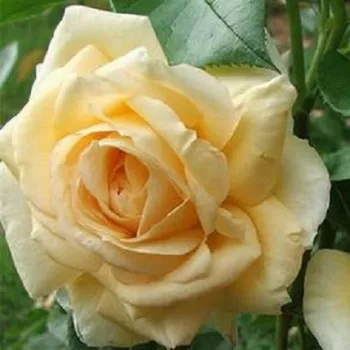
BANKSIAE ALBA – white species rose – Kerr
Imagine stepping onto your veranda after a day on the beach, salt still on your skin and a light sea breeze moving through the foliage of BANKSIAE ALBA, a historic rambler that turns a simple coastal boundary into a soft green curtain of tiny, snow-white pompoms. This once-flowering spring spectacle covers pergolas, arbours and house walls with thousands of neat globular blooms, bringing effortless elegance to family gardens where time is short but atmosphere matters. Almost thornless stems make it kinder to passers-by and children, while its own-root stability promises a long-lived planting that can regenerate and hold its shape over many years. In windy, exposed gardens it creates a natural screen that copes well with blustery conditions and careful drainage, ideal along Britain’s breezier coasts. Moderate maintenance – mainly light pruning and the odd tidy – keeps it in check, while its once-a-year cloud of white blossom becomes an eagerly anticipated seasonal ritual. Plant in the ground or, for verandas and terraces, in a generous 50–60 litre container where its roots can establish, letting you enjoy the classic, mildly scented clusters with minimal ongoing effort.
Usage options
| Target area |
Reasoning |
| Coastal veranda in a large container |
Suited to big 50–60 litre planters, this climbing species rose builds a leafy screen without demanding fussy care, ideal for breezy Cornish or Devon balconies needing manageable height and shelter for the beginner-owner. |
| Pergola over a garden seating area |
Its once-a-year flush creates a dense ceiling of white, mildly scented pompoms that turn simple wooden structures into romantic retreats, while own-root growth gives long-term reliability for the family-gardener. |
| Sunny or lightly shaded house wall |
Trained against a wall, it offers vigorous coverage with mid-green, slightly glossy foliage and minimal thorns, making access and occasional pruning more comfortable for the busy-homeowner. |
| Wind-filter hedge or boundary screen |
Its tall, climbing habit and moderately dense leaf canopy help break gusts and create a gentler microclimate in gardens where strong breezes and careful water management around the roots are everyday realities for the coastal-gardener. |
| Arbour at a garden entrance |
The abundance of very double, snow-white clusters turns gateways into seasonal focal points, giving a welcoming feel with only moderate pruning and tidy-up needed each year for the style-conscious-owner. |
| Specimen climber in a family lawn |
Used as a stand-alone feature on a sturdy support, its height and near-thornless canes offer drama with less risk to children’s hands and pets exploring nearby, practical for the family-focused-gardener. |
| Park-style planting in larger gardens |
Planted at wider spacing, it covers fences and structures economically over time; once established, it offers dependable spring impact for many seasons with only periodic pruning for the low-maintenance-planner. |
| Shingle or gravel garden backdrop |
Against pale shingle and drought-aware planting, its pure white, very double flowers and mid-green foliage provide contrast, while good heat tolerance supports resilient structure for the water-wise-gardener. |
Styling ideas
- Seaside-porch screen – Train BANKSIAE ALBA along balcony wires above a 60 litre pot, underplanted with Festuca and sea kale for a breezy coastal feel – ideal for veranda owners wanting light, airy privacy.
- Romantic-tea pergola – Let it drape over a timber pergola with lavender and Calamintha ‘Elfin Purple’ at the base for scented, bee-friendly edging – for those who love calm afternoon tea corners.
- Shingle-backdrop arch – Arch an entrance over white shingle and mix with blue Caryopteris and Carpathian bellflower for a soft blue-and-white palette – suited to coastal-style enthusiasts.
- Cottage-wall cascade – Combine it on a sunny wall with pots of herbs and terracotta containers below, using its almost thornless stems to frame windows – for homeowners seeking classic character with simple care.
- Family-lawn focal – Grow it on a sturdy obelisk or tripod in the lawn, paired with low ornamental grasses to keep access easy for mowing – perfect for families wanting impact without complex maintenance.
Technical cultivar profile
| Parameter |
Data |
| Name and registration |
Rosa banksiae alba, commercial type species rose in the Botanical rose collection; also known under the ARS exhibition name Rosa banksia banksia, verified for authenticity for garden use. |
| Origin and breeding |
Historic selection of Rosa banksiae, introduced to the United Kingdom in 1807 by William Kerr via the Royal Botanic Gardens, Kew, where it became established as a classic early climbing rambler. |
| Awards and recognition |
Holds the RHS Award of Garden Merit, indicating dependable garden performance, good ornamental value and sound health under typical UK conditions when grown with appropriate support and care. |
| Growth and structural characteristics |
Strong climbing habit reaching around 4–8 m in height with a 2–4 m spread; moderately dense, mid-green, slightly glossy foliage on almost thornless canes, ideal for training over supports and structures. |
| Flower morphology |
Bears many small, very double pompon to globular blooms, typically 0.5–1.5 inches, carried in tight clusters along the canes; a once-flowering rambler producing a notable seasonal spring display only. |
| Colour data and phenology |
Flowers open cream-white, quickly presenting a pure snow-white tone with silky sheen; colour holds well with minimal fading, though ageing blooms may brown slightly before falling or being shed from clusters. |
| Fragrance and aroma |
Offers a mild, delicately floral scent best appreciated at close range during peak bloom; highly double flowers conceal stamens, providing mainly ornamental rather than pollinator-supporting value in the garden. |
| Hip characteristics |
Due to the very double flowers, hips are infrequent; where formed, they are small, spherical, orange hips around 4–8 mm in diameter, giving occasional discreet autumn interest without heavy seeding. |
| Resistance and winter hardiness |
Rated to approximately –21 to –18 °C (USDA 6b, RHS H7, Swedish zone 3); heat tolerant with moderate drought resilience if watered in prolonged dry spells; disease resistance generally moderate for main foliar issues. |
| Horticultural recommendations |
Best on pergolas, arbours, walls or as a specimen with 1.8–3.3 m spacing; tolerates partial shade, benefits from good drainage and support, and requires moderate pruning plus occasional pest and disease checks. |
BANKSIAE ALBA rewards patient gardeners with an almost thornless, long-lived own-root climber that gives a spectacular once-a-year white display and dependable coverage, a thoughtful choice if you favour enduring structure over constant chores.