LA PARISIENNE – yellow-orange bedding grandiflora rose - Delbard
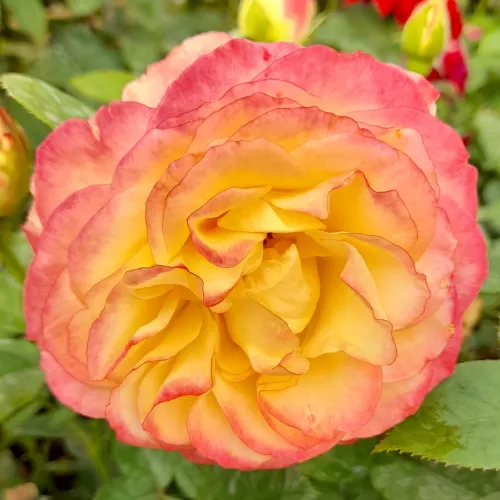
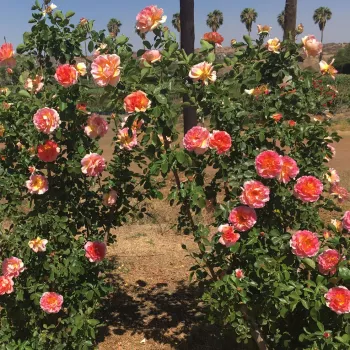
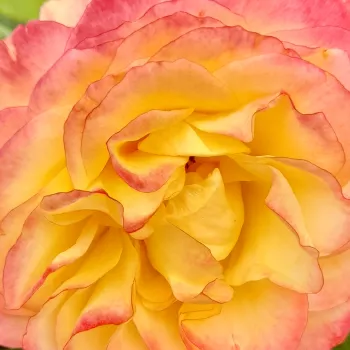
Imagine returning from the seaside, making tea on a breezy veranda while this rose glows nearby: LA PARISIENNE brings sunlight to small UK gardens with its golden-yellow, orange-edged blooms and upright, space-saving habit. In a large container or coastal bed it copes well with wind and showers by rooting steadily and anchoring deeply in well-drained soil, so you can enjoy colour without constant fuss. Semi-double, cup-shaped flowers repeat through the season, with a gently fruity scent that never overwhelms your seating area. The shrub’s glossy dark foliage contributes lasting structure, while the own-root form quietly builds a long-lived, regenerating framework. Think of it as a three-stage companion – first strengthening its roots, then pushing stronger shoots, before reaching full ornamental impact by about the third summer.
Usage options
| Target area |
Reasoning |
| Coastal veranda in a large container |
Well suited to a windswept Cornish or Devon veranda when planted in a 40–50 litre pot with free-draining compost, where its upright shape and good heat tolerance give long seasonal colour with little deadheading, ideal for beginners. |
| Small family front garden bed |
The compact, upright shrub fits neatly into modest front gardens, offering bright yellow-orange clusters that look cared-for even when you are busy, making it a dependable feature for time-pressed homeowners. |
| Low, informal flowering hedge |
Planted at the recommended hedge spacing, it forms a gently undulating, semi-transparent barrier, adding privacy, soft colour transitions and glossy foliage interest for coastal-style gardeners. |
| Mixed border with perennials |
Its semi-double flowers and dark foliage pair easily with airy grasses and perennials, providing warm anchor colour that knits together neighbouring plants for relaxed, naturalistic-leaning designers. |
| Cut flowers from the family garden |
The long, upright stems and generous flower size lend themselves to informal table arrangements, giving fresh, home-grown bouquets with minimal effort for busy but style-conscious hosts. |
| Sunny urban courtyard or patio |
In a sheltered, sun-catching corner, its remontant flowering and manageable size create a bright focal point without overwhelming the space, a practical choice for compact-city-space residents. |
| Season-long colour in a coastal border |
In well-drained coastal beds it tolerates breezy, sunny conditions, repeating bloom to keep shingle or gravel areas lively from early summer onwards, rewarding low-input coastal-enthusiasts. |
| Long-term, low-fuss feature shrub |
As an own-root rose it develops a durable framework that regenerates from the base if cut back hard or weather-damaged, supporting long service life and steady value for forward-planning buyers. |
Styling ideas
- Shingle-Veranda Mix – combine with sea kale and blue-grey Festuca in a large tub to echo coastal shingle tones – perfect for seaside-veranda owners wanting relaxed structure.
- Sunset-Border Drift – weave through drifts of Hemerocallis and bee balm so its yellow-orange flowers repeat the warm hues – ideal for informal family borders with evening seating.
- Urban-Courtyard Focus – place a single specimen in a 50 litre container with pale gravel mulch to reflect light – suited to city dwellers seeking one strong, easy-care accent.
- Soft-Hedge Rhythm – line a path at hedge spacing, underplant with low lavender for fragrance and gentle colour transitions – good for families wanting definition without a harsh barrier.
- Tea-Terrace Trio – group three plants near a patio table with silvery Artemisia for contrast, creating a calm, sunny corner – appealing to hosts who enjoy outdoor teas and simple upkeep.
Technical cultivar profile
| Parameter |
Data |
| Name and registration |
Grandiflora shrub rose, registered as DELpartricol, marketed as LA PARISIENNE in the Large colour range collection; ARS exhibition name La Parisienne for cut and grandiflora classes. |
| Origin and breeding |
Bred by Georges Delbard in France, registered and introduced in 2009, later reaching the USA in 2018 via Delbard and Certified Nurseries for wider garden and exhibition use. |
| Growth and structural characteristics |
Upright, well-branched shrub typically 100–140 cm in height and spread, with dense, dark green glossy foliage and relatively sparse prickles that ease handling and routine care. |
| Flower morphology |
Semi-double, cup-shaped blooms with 13–25 petals, produced in clusters on strong stems; flower size in the large range with reliable remontant behaviour and a generous second flush. |
| Colour data and phenology |
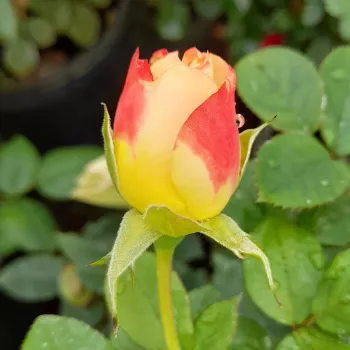
Golden yellow base enriched by orange-edged marbling; buds lemon-yellow with orange blush, ageing through peach-yellow and soft pinkish washes, lightening moderately in strong sun. |
| Fragrance and aroma |
Light, restrained fragrance with a delicately fruity character, noticeable at close range around seating areas yet unlikely to dominate mixed plantings or small enclosed terraces. |
| Hip characteristics |
Hip set is usually modest because of the fuller flower form; occasional small, spherical orange-red hips about 10–14 mm across may appear late in the season for added detail. |
| Resistance and winter hardiness |
Hardy to around −21 to −18 °C (RHS H6, USDA 6b), with moderate resistance to common rose diseases; copes well with heat and moderate drought when watered during prolonged dry spells. |
| Horticultural recommendations |
Best in full sun with reasonably drained soil; allow 100–110 cm between plants in beds or hedges, use 40–50 litre containers for long-term pot culture, and apply routine, moderate care. |
LA PARISIENNE offers compact structure, repeat yellow-orange flowering and durable own-root performance, making it a thoughtful choice for relaxed coastal-inspired gardens and quietly refined outdoor spaces.